
Why Social Audio Is the Next Frontier for Brands
When I first heard the term “social audio,” my instinct was to dismiss it as another fleeting fad—after all, we’ve seen the rise and fall of live streaming, stories, and short‑form video. Yet, as I’ve been listening (literally) to the evolving conversations across platforms, a clear pattern is emerging: audio is resurfacing not as a side‑channel, but as a core medium for authentic brand storytelling.
In the noisy world of visual content, audiences are craving moments of intimacy that don’t demand constant eye contact. Social audio delivers just that: a space where brands can speak directly into the ears of their community, fostering a sense of presence that feels both personal and scalable.
The Three Forces Driving the Social Audio Boom
- Attention Economy Fatigue: After years of scrolling through endless reels, users are experiencing “visual fatigue.” They’re looking for formats that allow multitasking—whether they’re commuting, exercising, or cooking. Audio fits perfectly into these moments.
- Platform Investment: Major social networks have poured resources into audio‑first products—Clubhouse pioneered the concept, while Twitter Spaces, Spotify’s Greenroom, and even LinkedIn Audio Events have built native experiences that keep users inside the ecosystem.
- Authenticity Premium: Live voice conveys tone, emotion, and nuance that text or video often miss. Brands that master the art of conversational speaking can build trust faster than through polished video scripts.
How Brands Can Make Social Audio Work
Transitioning to audio isn’t about swapping your video studio for a microphone; it’s about rethinking how you engage, educate, and entertain. Below are proven tactics that can help brands turn social audio from a novelty into a strategic asset.
1. Host Regular “Talk‑Back” Sessions
Invite your audience into a live, unscripted conversation. Think of it as a digital coffee hour where customers ask questions, share feedback, and co‑create ideas. The key is consistency—schedule a weekly or bi‑weekly slot so listeners know when to tune in.
During these sessions, you can surface real‑time data that informs product decisions. For example, a SaaS company could ask users what feature they’re struggling with, then immediately note the pain point for the product team. This mirrors the iterative loop described in ChatGPT as Your Silent Product Strategist, but with a human voice leading the dialogue.
2. Curate “Audio‑Only” Content Series
Just as podcasts dominate the long‑form audio space, social platforms now support bite‑sized episodes that can be consumed in under ten minutes. Brands can launch a series that tackles industry trends, shares behind‑the‑scenes stories, or interviews thought leaders.
Structure matters: begin with a hook, deliver value swiftly, and end with a clear call‑to‑action (CTA). Because audio lacks visual cues, your voice inflection and pacing become the primary tools for keeping listeners hooked.
3. Leverage Audio for Social Commerce
While live video shopping has gained traction, audio shopping is the next logical step. Imagine a host describing a new product line, highlighting tactile details, and instantly linking to a purchase page via the platform’s built‑in commerce tools. Listeners can add items to their cart without leaving the audio room, turning conversation into conversion.
4. Integrate Audio Into Existing Content Strategies
Don’t treat audio as a silo. Repurpose recorded audio sessions into blog posts, social captions, and even SEO‑friendly transcripts. This cross‑format approach amplifies reach and boosts discoverability. When you transcribe an audio interview, you can naturally embed keywords that support semantic SEO efforts, marrying the strengths of both audio and text.
5. Measure Success with the Right Metrics
Traditional social metrics—likes, shares, and comments—still matter, but audio introduces new performance indicators:
- Average Listening Duration: How long are people staying in the room?
- Re‑Entry Rate: Do listeners come back for the next session?
- Engagement Ratio: Number of spoken questions or reactions per minute.
Tracking these metrics helps you refine topics, speakers, and formats to align with audience preferences.
Case Studies: Brands Winning With Social Audio
Below are three brief snapshots of companies that have turned social audio into a growth engine.
A FinTech Startup’s “Money Talk” Clubhouse Series
Every Thursday, the startup hosts a 30‑minute panel discussing personal finance trends. By inviting real customers to share stories, they’ve increased brand trust, leading to a 25% uplift in sign‑ups within three months. The live format also surfaces user‑generated insights that feed directly into their product roadmap.
A Lifestyle Brand’s Instagram Live Audio Launch
Instead of a typical video reveal for a new sneaker line, the brand used Instagram’s Live Audio feature to host a “Sneaker Storytelling” session. The host described the design process, material feel, and the inspiration behind each colorway. Listeners could instantly swipe up to pre‑order, resulting in a sell‑through rate that outperformed the previous video launch by 18%.
A B2B SaaS Company’s “Tech Talk Tuesdays” on LinkedIn Audio Events
By providing a weekly deep‑dive into emerging tech topics, the SaaS firm positioned itself as a thought leader. The audio sessions were recorded and repurposed into a blog series, driving organic traffic and generating qualified leads. Their approach echoes the principles of Reimagining Link Building, leveraging content syndication across formats.
Addressing Common Concerns
Many marketers hesitate to invest in social audio for reasons that are often based on misconceptions. Let’s debunk a few.
“We don’t have a polished video production team.”
Audio requires less technical overhead. A decent microphone, a quiet space, and a clear script are sufficient. The authenticity of a slightly imperfect voice often resonates more than a glossy video.
“Our audience isn’t on audio‑first platforms.”
Most major social networks now embed audio rooms within their existing ecosystems. If your audience is already on Twitter, LinkedIn, or Instagram, you can reach them without asking them to download a new app.
“It’s hard to measure ROI.”
As outlined earlier, audio‑specific metrics (listening duration, re‑entry rate) provide concrete data. Combine these with traditional conversion tracking (e.g., UTM parameters on post‑audio product links) to attribute sales to audio sessions.
Future Outlook: Where Social Audio Is Heading
Looking ahead, three trends are likely to shape the next wave of social audio:
- AI‑Enhanced Moderation & Transcription: Real‑time AI will improve moderation, ensuring safe spaces, while also providing instant transcripts for accessibility and SEO.
- Hybrid Audio‑Video Experiences: Platforms will blend visual cues (like avatars or live captions) with pure audio, creating richer interactions without sacrificing intimacy.
- Monetization Tools for Creators: Expect built‑in tipping, paid “rooms,” and subscription models that enable brands to generate revenue directly from audio content.
Brands that start experimenting now will have a first‑mover advantage, building a library of evergreen audio content that continues to attract listeners long after the live session ends.
Getting Started: A 5‑Step Playbook
Ready to dip your toes into social audio? Follow this straightforward roadmap.
- Define Your Objective: Is it brand awareness, lead generation, or community building?
- Choose the Right Platform: Align with where your audience already hangs out—Twitter Spaces for real‑time discussions, LinkedIn Audio for B2B, Instagram Live Audio for lifestyle brands.
- Prepare Your Content: Draft a brief outline, identify a compelling hook, and rehearse key talking points.
- Promote Ahead of Time: Use existing channels—email newsletters, posts, and stories—to announce the session and invite participation.
- Analyze & Iterate: After each session, review listening metrics, collect feedback, and refine your approach.
Remember, the goal isn’t to perfect every episode but to create a rhythm of genuine conversation. Over time, those conversations become the soundtrack of your brand’s identity.
Conclusion
Social audio is more than a buzzword; it’s a medium that aligns with today’s multitasking lifestyles, offers unparalleled authenticity, and opens fresh pathways for community building and commerce. By embracing audio early, brands can cultivate deeper relationships, gather actionable insights, and differentiate themselves in an increasingly visual‑saturated landscape. So, plug in that mic, find a quiet corner, and start talking—you might just hear the next big wave of brand growth.

Freelance writer with a flare for everything. I am passionate about topics I write crafting stories and compelling content that connect with audiences. Journeying through the realms of creativity as a freelance creator. #WriterLife #ContentCreator
Related Posts
The Dark Side of Social Media: Understanding its Impact on Mental Health
Social media has a dark side that affects mental health. Learn about the impact of cyberbullying, on... Read More
When Social Media Becomes Your Product Lab
Learn how to transform social media from a broadcasting tool into a real‑time product lab, leverag... Read More
The Audio‑First Social Playbook for B2B SaaS Growth
Explore the rise of audio‑first social feeds and learn actionable tactics for integrating voice co... Read More
Top Posts
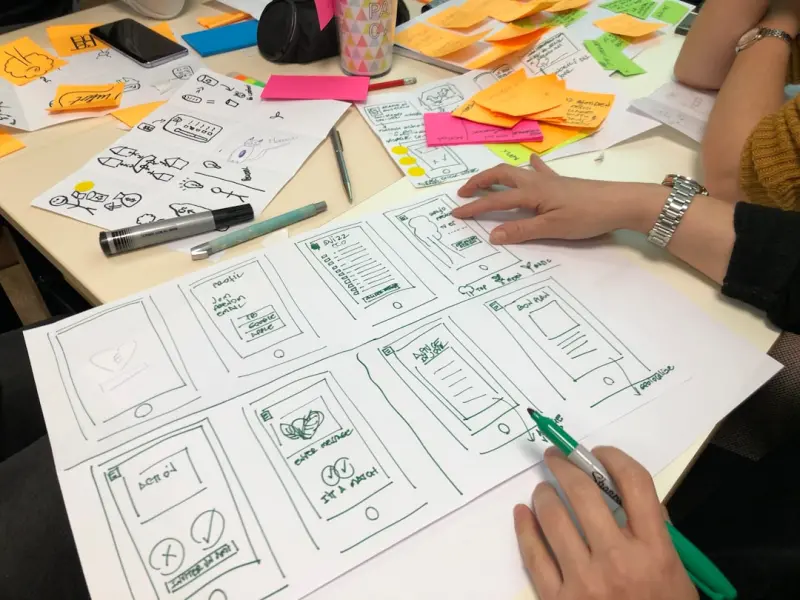
Designing Living Web Experiences: A Framework for Adaptive, User‑Centric Sites
Discover how to build web experiences that evolve with users, using living design systems, micro‑interactions, data‑driven insights, and inclusive practices...Read More
When Real‑World Rituals Rescue Our Digital Relationships
Explore practical, low‑effort rituals—like shared purpose projects, device‑free moments, and curated soundscapes—that transform digital connections into...Read More
The Impact of Remote Work on Mental Health: A Comprehensive Guide
Remote work has become a norm, but its impact on mental health is a growing concern. Learn how to prioritize your well-being while working from home....Read More
When the Music Takes Over: Crafting an Immersive Audio Wedding Experience
Explore a fresh approach to wedding planning that treats sound as the narrative backbone, integrating interactive tech and curated playlists to create an unforg...Read More
0 Comments
Post Comment
You will need to Login or Register to comment on this post!