

Why Night Hiking Isn’t Just a Trend – It’s a Return to Roots
When the last golden hour fades and the sky deepens into ink, a different kind of adventure awakens. Night hiking isn’t about chasing Instagram-worthy sunsets; it’s about resetting our internal clocks, sharpening our senses, and forging a quieter bond with the land. For many of us who spend daylight hours tethered to screens and conference calls, the darkness offers a sanctuary where the world’s hum quiets and the trail whispers.
The Science Behind Darkness: Benefits for Body and Mind
Our ancestors navigated forests by moonlight and starlight long before GPS existed. Modern research shows that exposure to low‑light environments can:
- Boost melatonin production, improving sleep quality and aiding recovery after strenuous climbs.
- Enhance spatial awareness by forcing the brain to rely on auditory cues, subtle scents, and tactile feedback rather than visual overload.
- Reduce stress hormones such as cortisol, leading to a calmer, more present mindset.
These physiological shifts translate into clearer thinking on the trail, better decision‑making, and a profound sense of calm that daytime hikes rarely replicate.
Gear Up for the Dark: Essentials Without Overcomplicating
Night hiking doesn’t require a full arsenal of high‑tech gadgets, but a few thoughtfully chosen items make the difference between a magical experience and a frustrating stumble.
- Headlamp with variable brightness – Opt for a model with a red light mode; it preserves night vision while still illuminating the path.
- Light‑weight, reflective clothing – A reflective strip on your jacket or leggings keeps you visible to fellow hikers without blinding the darkness.
- Portable power bank – Keep your devices charged, especially if you plan to capture a few night‑sky photos.
For those curious about sustainability, consider gear made from recycled materials. A quick read on Power‑Smart Workspaces offers inspiration on how intelligent energy flows can be applied to outdoor gear design, reducing waste while keeping you powered for the night.
Choosing the Right Trail: Darkness Amplifies Terrain
Not every trail is suited for nocturnal exploration. Beginners should start with well‑marked, low‑traffic paths that have clear landmarks. Look for:
- Established trail markers that are reflective or glow‑in‑the‑dark.
- Areas with minimal elevation gain to reduce the risk of fatigue when visibility is limited.
- Locations near a water source or campsite for an easy exit if conditions change.
Seasoned night hikers often select routes that intersect with natural “night‑lights,” such as bioluminescent fungi or fireflies, turning the hike into a living lantern show.
Safety First: Preparing for the Unexpected
Even with the serenity of night, safety remains paramount. Follow these protocols:
- Tell someone your itinerary – Share trail details, expected return time, and a backup contact.
- Carry a compact first‑aid kit and a whistle for signaling.
- Check weather forecasts before heading out; sudden fog or rain can dramatically reduce visibility.
In the unlikely event of an emergency, a seasonal maintenance mindset can be applied to your gear: regularly inspect straps, batteries, and lighting to ensure everything functions when you need it most.
Connecting with the Night Sky: Astronomy for Hikers
One of the most rewarding aspects of night hiking is the unobstructed view of the cosmos. Far from city lights, the Milky Way stretches across the horizon like a glittering river. Bring a simple star chart app (download it before you leave) or a printed sky map to identify constellations as you trek. Recognizing Orion’s belt or the Southern Cross can turn a simple walk into a celestial navigation lesson, echoing the ancient ways travelers used the stars to guide them.
Mindful Practices on the Trail: Turning Darkness Into Meditation
Night hikes naturally lend themselves to mindfulness. As you move, focus on:
- The soft crunch of pine needles under your boots.
- The rhythmic breath that matches the cadence of your steps.
- The subtle sounds – an owl hooting, a distant river’s murmur, the wind rustling through leaves.
By anchoring attention to these sensations, you cultivate a meditative state that carries over into daytime life, reducing burnout and increasing overall productivity. In fact, many high‑performing professionals report that a weekly night hike is their secret to sustained focus.
Integrating Night Hiking Into a Balanced Lifestyle
For busy professionals, carving out time for a moonlit trek can feel daunting. The key is to view it as a strategic recharge rather than an optional hobby. Schedule a 2‑hour night hike once a month, treat it like a calendar appointment, and notice the ripple effect: better sleep, sharper focus, and a renewed appreciation for the natural world. Over time, these short escapes become a cornerstone of personal resilience.
Leaving No Trace: Dark‑Time Stewardship
Just as daylight hikers practice Leave No Trace principles, night hikers must be extra vigilant. Light pollution can disturb nocturnal wildlife, so keep your headlamp dim and directed only where needed. Pack out all trash, and avoid stepping on fragile flora that may be more vulnerable under the cover of darkness. By respecting the night environment, you ensure that future hikers can also experience the wonder of a star‑filled trail.
Conclusion: Embrace the Night, Reclaim Your Wild
Night hiking offers a blend of physical challenge, mental clarity, and spiritual renewal that daytime adventures often lack. It reconnects us with the ancient rhythm of the earth, reminds us that the world continues to spin long after the office lights go out, and provides a canvas for introspection under the stars. So next time the sun dips below the horizon, consider lacing up your boots, flipping on that red headlamp mode, and stepping into the quiet mystery that awaits.

Amanda is a passionate writer exploring a kaleidoscope of topics from lifestyle to travel and everything in between.
Related Posts
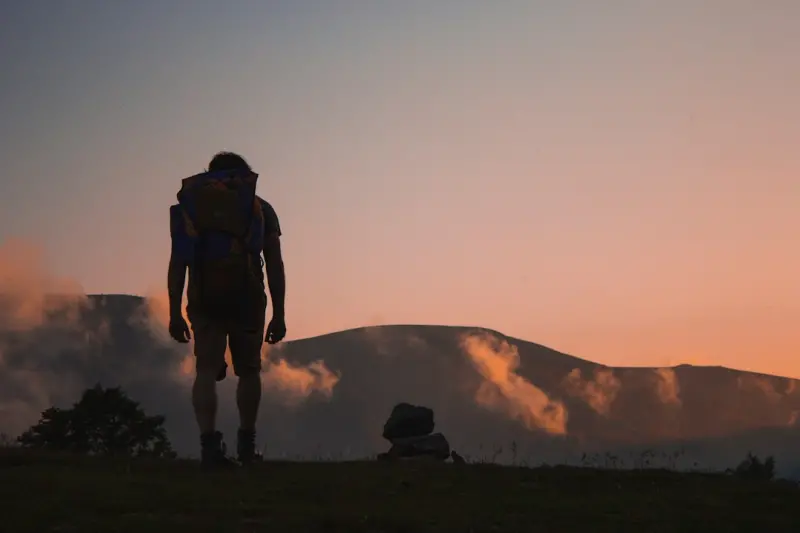
Solo Night Hiking: Finding Rhythm Under the Stars
Discover how solo night hiking transforms the outdoors into a sensory sanctuary, offering safety tip... Read More

Nature‑First Co‑Working: Redefining the Modern Workspace with Outdoor Recreation
Discover how turning parks and green spaces into functional co‑working hubs boosts creativity, men... Read More
Trailblazing Outdoor Recreation in 2026: Tech, Sustainability, and Adventure
In 2026, outdoor recreation blends cutting‑edge tech, eco‑conscious gear, and community‑driven... Read More
Top Posts

How to Improve Your Car's Mileage
In a world where fuel prices fluctuate like the stock market, maximizing your car's mileage isn't just good for the environment, it's crucial for your wallet. W...Read More

A Handy Guide for Deep Carpet Cleaning
Carpets are an integral part of many homes, adding warmth, comfort, and aesthetic appeal to living spaces. However, they also tend to accumulate dirt, dust, and...Read More

How Side Projects Can Fast‑Track Your SaaS Career
Side projects are more than hobbies—they're strategic tools that let SaaS professionals showcase impact, build complementary skill stacks, and gain visibility...Read More
The Green Awakening: My Journey to a Sustainable, Mindful Life
Karen Edwards shares her transformative journey into eco-friendly living. Learn how small changes at home and a shift in mindset can lead to a more sustainable,...Read More
0 Comments
Post Comment
You will need to Login or Register to comment on this post!