

Why Voice‑First and Multimodal Search Are Redefining SEO Strategy
When I first heard a smart speaker answer a query about “best sustainable coffee beans,” I felt a jolt of both excitement and dread. The answer arrived instantly, but it didn’t come from a traditional search results page—it came from a voice‑first ecosystem that bypassed the usual SERP altogether. That moment crystallized a truth I’ve been championing in my workshops: SEO is no longer about stuffing keywords into blog posts; it’s about orchestrating experiences that surface across voice assistants, AR glasses, and even car infotainment systems. In this post, I’ll walk you through the practical shifts you need to make to future‑proof your content for a truly multimodal world.
From Text to Tone: Understanding the Voice‑First Paradigm
Voice‑first search changes the rules of engagement in three fundamental ways:
- Conversational phrasing. Users speak naturally, asking full questions (“What’s the quickest way to sync my CRM with Slack?”) rather than typing fragmented keywords.
- Local and contextual relevance. Devices often have location data, making “nearby” or “in my area” queries the norm.
- Zero‑click results. Answers are delivered directly through the speaker, leaving no click‑through opportunity for the website.
If you keep optimizing for “CRM sync tips” without considering the way a user might ask, “How do I connect my CRM to Slack on the go?” you’re essentially speaking a language no one understands. The first step is to audit your existing content for conversational intent and re‑write headings and subheads to mirror how people actually talk.
Multimodal Search: Beyond Voice, Into Vision and Touch
While voice has dominated headlines, the next wave is multimodal—search that fuses voice, visual, and tactile inputs. Think of a user pointing their phone at a product in a store, asking their smartwatch, “What’s the warranty on this?” or an AR headset overlaying specs while you walk through a showroom. Google Lens, Amazon’s Look Inside, and Apple’s Vision Pro are already blurring the lines between search and experience. For marketers, this means you must tag visual assets with rich, machine‑readable metadata (alt text, structured data, and even 3D model descriptors) to make them discoverable in a visual‑first context.
Building a Voice‑Ready Knowledge Base
One of the most underrated assets in a voice‑first strategy is a well‑structured knowledge base. Voice assistants rely heavily on FAQ‑style content to pull concise answers. Here’s a quick checklist to get yours ready:
- Question‑centric headlines. Turn every article title into a question that a user might ask aloud.
- Featured snippets in mind. Craft the first 40‑50 words to directly answer the question—this is the sweet spot for voice reads.
- Schema markup. Implement
FAQPageandHowToschema to give search engines explicit signals about the content’s format. - Audio assets. Consider adding short audio clips or transcripts that can be indexed by platforms like Alexa’s “Skill” framework.
By aligning your knowledge base with these practices, you give voice assistants a reliable source to draw from, increasing the chance that your brand’s voice is the one heard.
Micro‑Intent Segmentation: The New Keyword Frontier
Traditional keyword research is evolving into micro‑intent segmentation. Instead of grouping all “CRM integration” searches together, you break them down into tiny intent buckets: “setup CRM‑Slack integration on iPhone,” “troubleshoot CRM‑Slack sync error 101,” “CRM integration pricing for startups.” Each bucket informs a hyper‑specific piece of content, often no longer exceeding 300 words, optimized for a single spoken query.
This approach mirrors the way voice assistants parse requests: they match the user’s intent to the most precise answer available. By mapping your existing content inventory against these micro‑intents, you can identify gaps and produce “nano‑articles” that serve as perfect voice responses.
Localizing Content for Voice Search
Because voice devices are typically used on‑the‑go, they prioritize local results. Even if you’re a B2B SaaS provider, you can still leverage local signals by:
- Registering your business on Google Business Profile and ensuring your address, phone number, and operating hours are up‑to‑date.
- Creating location‑specific landing pages that answer regional compliance questions or integrate local case studies.
- Embedding geo‑structured data (
Placeschema) to help search engines associate your content with a physical region.
These tactics not only boost your visibility in “near me” voice queries but also reinforce trust by showing you understand local nuances.
Measuring Success When Clicks Disappear
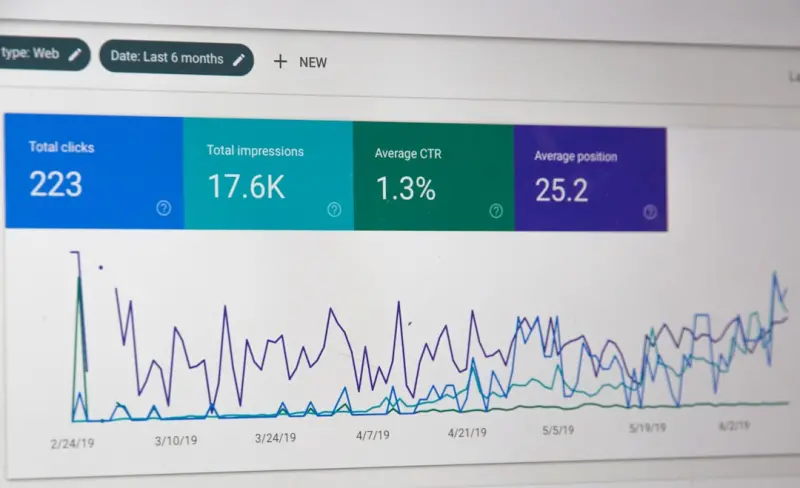
Traditional SEO metrics—organic traffic, click‑through rate, bounce rate—don’t capture the full picture in a zero‑click world. To gauge voice and multimodal performance, incorporate:
- Voice impression data. Platforms like Google Search Console now surface “voice search impressions,” giving you a sense of how often your content is being read aloud.
- Engagement lift. Track downstream actions—form submissions, demo requests, or app downloads—that follow a voice interaction.
- Structured data health. Monitor the validity of your schema using tools like Rich Results Test to ensure your content remains eligible for featured snippets.
By expanding your KPI suite, you can justify investments in voice optimization and demonstrate ROI to stakeholders who still cling to legacy metrics.
Integrating Voice Strategy with Existing Content Workflows
Adapting to voice doesn’t mean reinventing the wheel; it means extending your current content engine. Here’s how you can weave voice‑first considerations into the familiar process:
- Ideation. When brainstorming topics, add a “spoken query” column to capture how a user might ask the question aloud.
- Creation. Draft the first paragraph as a concise answer, then expand with supporting details.
- Optimization. Apply schema, alt text, and micro‑intent tags before publishing.
- Distribution. Repurpose the same content for podcasts, audio snippets, or interactive voice apps.
This loop ensures voice optimization is a natural extension rather than a siloed afterthought. If you already have a self‑sustaining content engine, you simply add a voice‑layer on top of it.
Cross‑Channel Amplification: Leveraging LinkedIn for Voice SEO
Even though LinkedIn is a text‑heavy platform, it can be a catalyst for voice SEO. Publishing thought leadership pieces that answer specific questions can be repurposed into audio snippets or short videos that feed into voice assistants’ knowledge graphs. Moreover, LinkedIn’s algorithm favors content that garners engagement, which signals relevance to Google’s AI. By aligning your LinkedIn posts with the same micro‑intent language you use for voice, you create a feedback loop that boosts authority across both channels. Check out our guide on LinkedIn for B2B growth to see how to turn professional networking into a voice SEO asset.
Future‑Proofing: Preparing for AI‑Generated Answers
We’re on the cusp of AI‑generated answers that synthesize information from multiple sources, not just a single page. In this scenario, the search engine acts as a curator, pulling together data points from across the web. To stay relevant, focus on:
- Building authoritativeness through citations, case studies, and transparent methodology.
- Maintaining content freshness—regularly update stats, product features, and best practices.
- Ensuring data accessibility via APIs or open data formats so AI models can ingest your information directly.
When your brand is recognized as a trustworthy data source, you’ll likely be the go‑to reference in AI‑generated responses, even if the user never clicks through to your site.
Takeaway: Start Small, Iterate Fast
Voice and multimodal search aren’t a distant future—they’re already reshaping how prospects discover solutions. Begin by auditing a single high‑traffic blog post, rewrite its heading as a question, add FAQPage schema, and monitor voice impressions over the next month. Scale the process, integrate micro‑intent segmentation, and you’ll watch your brand’s voice echo across speakers, glasses, and car dashboards alike.

When it comes to the world of blogging and writing, Rose DesRochers is a name that stands out. Her passion for creating quality content and connecting with her audience has made her a trusted voice in the industry. Aside from her skills as a writer and blogger, Rose is also known for her compassionate nature.
Related Posts

Directory Submission Sites Google Still Likes
Search engine optimization (SEO) is a dynamic and ever-evolving field, with new strategies and techn... Read More
Voice‑First SEO: Harnessing Structured Data and Human Intent
Discover a fresh SEO strategy that blends voice‑search optimization, schema markup, and human‑ce... Read More

What Are the Challenges that Businesses Face When Building Their Blog and Online Presence?
In today's digital age, having a strong online presence is crucial for businesses of all sizes and i... Read More
Top Posts

Why Custom Software Is the Definitive Competitive Edge for Modern Enterprises
In the relentless march of digital transformation, businesses face a stark choice: conform to the generic standards imposed by off-the-shelf (OTS) solutions, or...Read More

The Impact of Technology on the Gambling Industry
The gambling industry has undergone significant changes in recent years, driven largely by advances in technology. Learn more about the impact of technology on ...Read More

Algorithmic Governance: How Code Is Quietly Rewriting Politics
A deep dive into the rise of algorithmic governance, examining the impact of AI‑generated legislation, automated lobbying, and tech‑driven campaign finance ...Read More

Beyond Google: Mastering SEO for Emerging Search Platforms
Explore fresh SEO strategies that go beyond Google, leveraging emerging platforms like TikTok and Reddit to drive traffic and authority....Read More
0 Comments
Post Comment
You will need to Login or Register to comment on this post!