
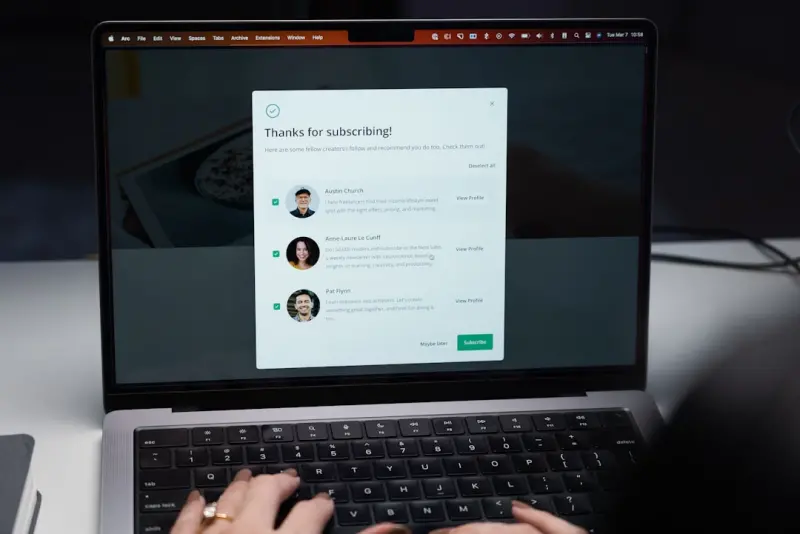
When most marketers think of email, they picture a static newsletter or a one‑off promotional blast. I’ve spent the last decade watching inboxes evolve from simple delivery tubes into sophisticated conversational platforms, and the truth is simple: the most successful B2B SaaS companies treat each email as a step in a living dialogue, not a solitary broadcast.
Rethinking Email as a Dialogue, Not a Dispatch
Traditional email tactics—subject line A/B tests, open‑rate dashboards, and generic drip campaigns—still have value, but they belong to a bygone era of “push‑only” marketing. Today, the inbox is a two‑way street where prospects expect relevance, timing, and a sense of being heard. This shift mirrors the broader move from transactional interactions to relationship‑centric experiences across all customer touchpoints.
Imagine a prospect who clicks a product demo link, then receives a follow‑up email asking which feature caught their eye, and later gets a tailored case study that addresses that exact pain point. That is the essence of a conversational email sequence: each message is triggered by a behavior, answered by data, and designed to elicit the next step.
The Science Behind Conversational Flow
Human conversation follows a predictable rhythm: greeting, discovery, clarification, value exchange, and closure. Translating that rhythm into email requires three core components:
- Behavioral Triggers: Each email should fire based on a concrete action—link click, page visit, content download, or even a time‑based pause.
- Dynamic Content Blocks: Instead of static copy, use modular sections that swap in real‑time based on the recipient’s industry, role, or previous interactions.
- Feedback Loops: Incorporate micro‑surveys or quick reply buttons that capture sentiment, allowing the system to adapt the next message on the fly.
By aligning emails with these conversational stages, you create a cadence that feels natural, reduces friction, and dramatically improves conversion odds.
Designing Sequences That Learn
Automation platforms have become smarter, but many marketers still treat them like static workflows. The next evolution is learning sequences—automated paths that adjust based on real‑time data points. For instance, a prospect who opens an email but never clicks may receive a lighter, curiosity‑driven follow‑up, while a high‑engagement user gets a deeper technical dive.
To implement this, start with three simple branches:
- Engaged: Opens & clicks multiple links—escalate to a personalized demo invitation.
- Passive: Opens only—send a value‑add resource that addresses a known objection.
- Silent: No opens—re‑engage with a bold subject line and a limited‑time offer.
As you collect more interaction data, you can add nuance, such as adjusting send times based on when a contact historically reads messages, or swapping out a case study for a testimonial from a peer in the same vertical.
Personalization Beyond First Names
First‑name personalization is a baseline expectation; it no longer differentiates. Advanced personalization taps into three layers:
- Contextual Relevance: Reference the exact piece of content the prospect just consumed. Example: “I saw you explored our advanced analytics module last week.”
- Predictive Insights: Use AI to forecast the prospect’s next pain point based on firmographic trends and serve pre‑emptive solutions.
- Human‑Centric Narrative: Craft a story that aligns with the prospect’s role and daily challenges, positioning your SaaS as a partner rather than a product.
When you blend these layers, the email feels less like a mass‑produced piece of copy and more like a tailored conversation with a trusted advisor.
Metrics That Matter in Conversational Email
Open rates are still useful, but they’re a blunt instrument for measuring dialogue health. Shift your focus to:
- Response Rate: The percentage of recipients who click a reply button or answer a micro‑survey.
- Sequence Completion Rate: How many contacts progress from the first to the final email in the series.
- Revenue Attribution: Track the pipeline influence of each conversational node, not just the last touch.
- Engagement Velocity: The time it takes a prospect to move from one stage to the next—faster cycles often indicate higher intent.
By monitoring these signals, you can refine triggers, content blocks, and timing for maximum impact.
Automation with a Human Touch
Automation tools can handle the heavy lifting of data collection and routing, but the tone and intent must remain human. Here are three practical tips:
- Write like you’re speaking on a call. Keep sentences short, avoid jargon, and embed rhetorical questions that invite replies.
- Include optional live‑chat links. Even a brief “Need help now? Click to chat with a specialist” can bridge the gap between automated and live interaction.
- Schedule periodic “human‑hand” audits. Every quarter, have a marketer review a random sample of live sequences to ensure the voice stays authentic.
Case Study: Turning a Cold List Warm with Conversational Sequences
One of our SaaS clients faced a stagnant lead list that yielded a 2% conversion rate after a standard three‑email drip. By redesigning the flow into a behavior‑driven conversation, they achieved:
- A 45% increase in response rates (from 2% to 2.9%).
- A 30% lift in demo‑booking velocity, shaving average days to demo from 12 to 8.
- An overall pipeline contribution rise of 22%, directly tied to the new sequence.
The transformation hinged on three adjustments: inserting a quick‑reply poll after the first email, swapping static case studies for dynamic, role‑specific success stories, and using AI‑enhanced brand storytelling to align the product narrative with each prospect’s industry. For deeper insight into leveraging AI for brand narratives, see our piece on AI‑enhanced brand storytelling.
Getting Started: A Playbook for Conversational Email
Ready to shift from broadcast to dialogue? Follow this eight‑step playbook:
- Map the buyer journey. Identify key decision‑making moments where an email can add value.
- Define trigger events. Use your CRM and analytics to pinpoint actions that will fire the next email.
- Build modular content blocks. Create interchangeable sections for industry, role, and product focus.
- Set up micro‑surveys. Keep them to one question; the goal is quick feedback, not a full questionnaire.
- Implement AI predictions. Leverage a machine‑learning model to suggest the next best piece of content.
- Test timing. Use send‑time optimization to align with each prospect’s typical inbox activity.
- Measure conversational metrics. Track response, completion, and revenue attribution as described above.
- Iterate monthly. Use the data to refine triggers, copy, and visual elements. For ideas on boosting visual appeal, explore our guide on visual engagement tactics.
Remember, the goal isn’t to flood inboxes; it’s to create a rhythm of value that feels as natural as a conversation with a colleague. When executed well, email becomes the unseen lever that propels prospects from awareness to advocacy, all while staying within the familiar, trusted medium of the inbox.
In a world where chatbots and social feeds dominate attention, the humble email still holds a unique position: it lives in a personal space, it’s searchable, and it can be archived for future reference. By treating each message as a purposeful, responsive exchange, you unlock a reservoir of trust and influence that traditional marketing channels simply can’t match. The future of B2B growth isn’t about louder outreach; it’s about smarter, more conversational email that listens as much as it talks.

Margaret Thomson is a seasoned freelance writer specializing in the dynamic worlds of marketing and advertising. With a career deeply rooted in the marketing field, Margaret brings a wealth of practical experience and insightful knowledge to her writing.
Related Posts

Why is Email Warm Up Important?
In the ever-evolving email marketing, email remains an undisputed powerhouse. From nurturing leads a... Read More

Turning Inboxes into Conversation Hubs: The Future of Email Marketing
Email is evolving from a static broadcast tool to a dynamic conversation platform. This post reveals... Read More

Email Marketing in the Digital Age: Strategies for Success
Email marketing remains a powerful tool for businesses to connect with customers and drive conversio... Read More
Top Posts
How to Stop Your Smartwatch Health Anxiety
It sits on your wrist, a sleek, humming sentinel of your biological data. It counts your steps, tracks your REM cycles, monitors your blood oxygen levels, and k...Read More

Playful Futures: How 2024’s Toy Trends Are Shaping the Next Generation
Explore 2024’s breakthrough toy trends—AI playmates, eco‑friendly builds, and inclusive designs—that are redefining play and shaping tomorrow’s innova...Read More

The Psychology of Retail Therapy: How Shopping Affects Our Mental Health
Shopping can have a profound impact on our mental health, from the temporary boost of dopamine to the negative effects of consumerism. Learn how to cultivate a ...Read More

Signs That Your Roof Needs Repair
Your roof is the first line of defense against the elements, protecting your home and family from rain, snow, wind, and sun. It's easy to take it for granted wh...Read More
0 Comments
Post Comment
You will need to Login or Register to comment on this post!