
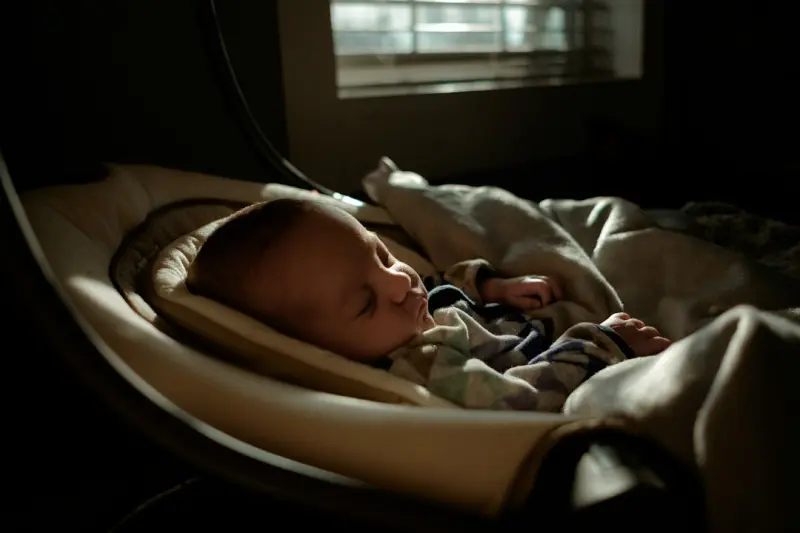
When the lights dim and the house settles into evening hush, the ritual of putting a baby to sleep can feel like a high-stakes performance. I’ve spent the last decade watching parents wrestle with everything from swaddles to sleep-training apps, and I’ve come to a surprisingly simple conclusion: the soundscape you create can be a game-changer for both sleep quality and early brain development.
Why sound matters more than we think
From the moment a newborn hears a mother’s heartbeat in the womb, auditory cues become a cornerstone of comfort. Research shows that babies can recognize the cadence of familiar voices and the rhythm of lullabies even before they can see their faces. Those early auditory experiences wire the brain for language, emotional regulation, and even motor coordination.
Yet modern households are noisy, unpredictable, and saturated with the click-clack of devices. The contrast between a calm, predictable soundscape and a chaotic one can be stark-and it directly influences how quickly a little one drifts into restful sleep.
The science behind “playful” soundscapes
Traditional lullabies are often static-think a single melody repeated on a music box. While soothing, they lack the dynamic qualities that keep a baby’s brain gently engaged. Playful soundscapes introduce subtle variations: soft rustling leaves, distant ocean waves, or the faint hum of a gentle wind chime. These layers mimic the natural environment a child would have heard in a pre-industrial setting, providing a richer sensory backdrop without overstimulation.
Key findings from developmental psychologists highlight three benefits:
- Enhanced auditory discrimination: Varying tones help infants learn to differentiate between sounds, a foundational skill for language acquisition.
- Improved autonomic regulation: Consistent, low-frequency sounds can lower heart rate and cortisol levels, promoting a calmer state.
- Strengthened caregiver-infant bonding: When a parent selects and curates the soundtrack, the shared routine reinforces emotional security.
Designing a soundscape that works
Creating an effective auditory environment doesn’t require a professional sound engineer. Below is a step-by-step guide that any parent can follow, with a focus on low-cost, low-tech solutions that still feel premium.
1. Start with a baseline
Identify the natural ambient noises in your home during bedtime. Is there a refrigerator humming in the background? Do streetcars pass by? Record a short snippet on your phone. This baseline helps you understand what the baby is already hearing and where you might need to fill gaps.
2. Choose a primary “anchor” sound
Pick a soothing, steady sound that will serve as the foundation. Popular choices include:
- White noise or pink noise (the latter being softer on the ears).
- Slow, rhythmic heartbeats or a gentle drumbeat mimicking a mother’s pulse.
- A low-frequency hum, like a distant air conditioner.
Keep the volume at a level that is audible but not overpowering-generally around 50 decibels, roughly the sound of a quiet conversation.
3. Layer subtle, “playful” elements
After establishing the anchor, introduce one or two complementary layers. These should be subtle, non-repeating, and low-frequency. Examples:
- Soft rain pattering on a roof (recorded from a window or a nature app).
- A distant, muted bird chorus at dawn.
- The gentle rustle of a fabric blanket being smoothed.
The goal is to create a sense of depth without distracting the infant. Think of it as adding background characters to a stage play-present but not stealing the spotlight.
4. Test and iterate
Every baby is unique. What soothes one may irritate another. Observe your child’s response for a full sleep cycle (about 45-60 minutes of light sleep followed by deeper phases). If the baby wakes frequently, try reducing the number of layers or lowering the volume.
5. Leverage technology wisely
There’s a growing market of smart speakers and dedicated sleep-trackers that can automate the soundscape. However, avoid over-reliance on AI-driven playlists that constantly shift. Consistency is key-an AI-powered approach can be helpful, but only if you set clear parameters for calm, predictable output.
Integrating soundscapes with other bedtime rituals
Sound is most effective when paired with tactile and visual cues. Here are three complementary habits that amplify the benefits of your curated audio:
- Consistent temperature: A slightly cooler room (around 68-70°F) helps the body transition into sleep mode.
- Gentle lighting: Use a dim, amber-hued nightlight that fades gradually as the baby settles.
- Soft touch: A lightly weighted blanket can mimic the sensation of being held, reinforcing the calming audio.
When these elements align, the brain receives a harmonious signal that it’s time to rest, making the transition smoother and more sustained.
Addressing common concerns
“Will my baby become dependent on the sound?” Dependency is a valid worry. The answer lies in moderation. Use the soundscape for the first half of the night, then gradually fade it out. Over time, the baby learns that sleep isn’t solely tied to a specific auditory cue.
“Is it safe to play sounds all night?” As long as the volume remains within safe limits (under 60 decibels), continuous playback poses no risk. Many pediatric sleep specialists endorse low-level white noise for up to eight hours.
“What about other household noises?” If you live in a noisy urban area, consider a white-noise machine that masks external sounds without creating a sudden silence that might startle the baby.
Case study: From restless nights to rhythmic dreams
Emma, a first-time mother from Seattle, struggled with her nine-month-old’s frequent night awakenings. She tried swaddling, different sleep positions, and even a pacifier, but nothing seemed to stick. After reading about the benefits of layered soundscapes, she implemented the following routine:
- Set a white-noise machine to a soft, steady hiss (anchor).
- Added a low-volume recording of distant ocean waves (playful layer).
- Dimmed the nursery lights to a warm amber hue.
- Wrapped the baby in a breathable, lightly weighted blanket.
Within a week, Emma reported that her baby fell asleep within ten minutes and stayed asleep for longer stretches. The rhythmic auditory backdrop seemed to provide the continuity her child needed, while the physical cues reinforced the calming environment.
Future trends: How smart homes might enhance soundscapes
While we’re focusing on low-tech solutions, it’s worth noting that the rise of edge-first hosting and low-latency streaming is making high-quality, custom soundscapes more accessible. Imagine a nursery that automatically adjusts its sound profile based on the baby’s cry detection, or a system that syncs lullabies across multiple rooms for a family-wide lull.
These advancements should be approached with caution-privacy and data security remain paramount. But for parents who embrace technology thoughtfully, the next generation of sound-driven sleep aids could be just around the corner.
Practical takeaways
- Start simple: one anchor sound, one subtle layer.
- Keep volume low and consistent.
- Observe and adjust based on your baby’s responses.
- Pair audio with temperature, lighting, and touch for a holistic routine.
- Use technology as a tool, not a crutch.
At the end of the day, the goal isn’t to create a high-tech sound lab in the nursery but to harness the innate power of rhythm and repetition that our ancestors relied on for generations. By thoughtfully curating a playful soundscape, you give your baby a gentle, nurturing cocoon that supports both restful nights and a thriving brain.

Robert Mathews is a professional content marketer and freelancer for many SEO agencies. In his spare time he likes to play video games, get outdoors and enjoy time with his family and friends . Read more about Robert Mathews here:
Related Posts

Smart Home, Sweet Sleep: Modern Parenting Hacks for Babies and Toddlers
Explore practical smart-home solutions-climate control, lighting, audio, and invisible storage-that ... Read More

How to Build a Sensory-Friendly Play Space That Grows With Your Baby
Learn how to design a flexible, sensory-friendly play space that nurtures curiosity, supports milest... Read More

Playful Routines: A Secret Sauce for Raising Confident, Curious Toddlers
Learn how to weave playful, flexible routines into daily life to boost your toddler’s confidence, ... Read More
Top Posts

Layered Textures & Personal Stories: Curating a Home That Speaks to You
A guide to creating a home that feels lived-in and uniquely yours through layered textures, sustainable choices, and thoughtful lighting....Read More

Reimagining Retirement: Seniors Lead the Digital Wellness Revolution
Seniors are no longer tech-averse; they’re pioneering digital wellness tools that boost health, community, and financial independence. This post reveals trend...Read More

Beyond Passwords: A Human-Centric Blueprint for Everyday Online Safety
A fresh, human-centric guide that redefines online safety by focusing on everyday habits, collaborative culture, and technology that works with people, not agai...Read More
Balancing Speed and Slow Living in the Modern Garden
Explore the sweet spot where fast garden tools meet slow, mindful cultivation-learn to grow abundantly while staying grounded....Read More
0 Comments
Post Comment
You will need to Login or Register to comment on this post!