
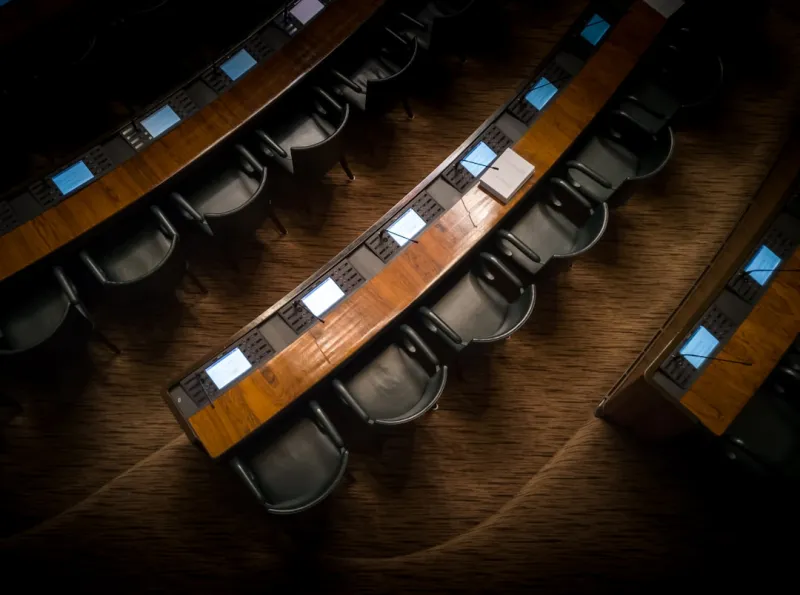
The Intersection of Politics and Mental Health: A Complex Relationship
As we navigate the complexities of modern life, it's becoming increasingly clear that politics and mental health are inextricably linked. The current state of global affairs, with rising tensions and increasing polarization, is taking a toll on people's mental wellbeing. As someone who's passionate about exploring the human condition, I'm here to shed light on this critical issue. The mental health in the digital age is a pressing concern, and it's essential to consider how politics fits into this narrative.
The impact of politics on mental health can't be overstated. The constant bombardment of news, the rise of social media, and the 24-hour news cycle have created an environment where people are perpetually anxious and on edge. This can lead to feelings of hopelessness, despair, and disconnection from others. Furthermore, the erosion of trust in institutions and the increasing divisiveness of politics have created a sense of uncertainty and fear. It's no wonder that mental health professionals are reporting a surge in anxiety and depression cases.
The Role of Social Media in Shaping Public Opinion
Social media has become a breeding ground for echo chambers, where people are only exposed to information that reinforces their existing views. This can create a distorted view of reality, where facts are secondary to opinion and emotions run high. The impact of technology on mental health is a growing concern, and social media is a significant contributor to this issue. By curating our online experiences, we're often shielded from diverse perspectives, which can lead to a narrow and biased understanding of the world.
Moreover, social media platforms have become fertile ground for the spread of misinformation and disinformation. This can have serious consequences, as people begin to doubt the validity of facts and truth. In an era where facts are malleable, it's essential to critically evaluate information and seek out credible sources. However, this can be a daunting task, especially for those who are already overwhelmed by the demands of modern life.
The Importance of Media Literacy
In today's complex media landscape, it's more important than ever to develop critical thinking skills. By being able to evaluate information, identify biases, and recognize propaganda, we can make more informed decisions about the information we consume. This requires a certain level of media literacy, which is essential for navigating the complexities of modern media. The evolution of media agencies has led to a proliferation of information, making it more crucial than ever to develop these skills.
The Impact on Vulnerable Populations
The intersection of politics and mental health has a disproportionate impact on vulnerable populations, including low-income communities, communities of color, and individuals with pre-existing mental health conditions. These groups often face systemic barriers to accessing mental health resources, making them more susceptible to the negative effects of politics on mental health. Moreover, the rhetoric of politicians can perpetuate stigma and discrimination, further exacerbating the issue.
The Role of Leadership
Leaders have a critical role to play in shaping the national conversation and promoting a culture of empathy and understanding. By modeling healthy behaviors and promoting policies that prioritize mental health, leaders can help create a more supportive environment for citizens. This requires a willingness to engage in open and honest dialogue about mental health, as well as a commitment to addressing the systemic issues that contribute to poor mental health outcomes.
Conclusion
The relationship between politics and mental health is complex and multifaceted. As we navigate the challenges of modern life, it's essential to prioritize mental health and recognize the impact of politics on our wellbeing. By developing critical thinking skills, promoting media literacy, and supporting vulnerable populations, we can begin to build a more resilient and compassionate society. Ultimately, it's up to each of us to take responsibility for our mental health and to work towards creating a more just and equitable world.
Call to Action
So, what can we do to address this critical issue? First, we must prioritize mental health education and awareness. This includes promoting media literacy, critical thinking, and emotional intelligence. Second, we must support policies that prioritize mental health, such as increased funding for mental health resources and programs. Finally, we must engage in open and honest dialogue about mental health, reducing stigma and promoting a culture of empathy and understanding.
As we move forward, it's essential to recognize that the intersection of politics and mental health is a complex issue that requires a comprehensive approach. By working together and prioritizing mental health, we can create a more just and equitable society for all.
Future Directions
As we look to the future, it's clear that the intersection of politics and mental health will continue to be a pressing concern. By prioritizing mental health education, promoting media literacy, and supporting vulnerable populations, we can begin to build a more resilient and compassionate society. This requires a willingness to engage in open and honest dialogue about mental health, as well as a commitment to addressing the systemic issues that contribute to poor mental health outcomes.
The conversation around politics and mental health is just beginning, and it's essential that we continue to explore this complex issue. By working together and prioritizing mental health, we can create a brighter future for all.

Brad Hays is a freelance writer known for his versatile skill set and ability to craft compelling content across a wide range of industries.
Related Posts
When Maps Move: The Quiet Power of Algorithmic Redistricting
Algorithmic redistricting offers a transparent, data‑driven path to fairer electoral maps. Jill Ha... Read More
Issue‑Centric Micro‑Campaigns: Redefining Voter Engagement
Voters are moving beyond party labels, embracing narrow‑focus micro‑campaigns that tackle specif... Read More

Grassroots Storytelling: How Personal Narratives Are Redefining Politics
Discover how authentic, grassroots stories are transforming political campaigns, fostering empathy, ... Read More
Top Posts
The Future of Google: How Sustainable Living is Revolutionizing the Search Engine Giant
Google is revolutionizing the search engine industry with its commitment to sustainable living. Learn how the company is reducing its environmental impact and d...Read More

The Rise of Sustainable Mobile Apps: A New Era of Eco-Friendly Innovation
The world of mobile apps is evolving, and sustainability is at the forefront. Learn about the rise of sustainable mobile apps and how they're promoting eco-frie...Read More

The Power of Networking in the Digital Age
In today's digital landscape, networking is more important than ever. Learn how to build meaningful relationships and stay connected with others to achieve your...Read More

5 Exciting Ways to Spruce Up Your Home on a Budget
Your home is your sanctuary, a place where you can relax and express your style. However, sprucing it up doesn’t have to drain your bank account. With a littl...Read More
0 Comments
Post Comment
You will need to Login or Register to comment on this post!