
The Evolution of Online Shopping: A New Era for Retail
The world of retail has undergone a significant transformation in recent years, with the rise of online shopping revolutionizing the way consumers interact with brands and make purchases. As a result, retailers have had to adapt quickly to stay competitive, leveraging technology to enhance the shopping experience and meet the evolving needs of their customers. One of the key areas of focus has been on creating seamless, omnichannel experiences that allow consumers to shop effortlessly across different devices and platforms. The intersection of fashion and technology has been particularly significant, with online shopping redefining the way fashion brands operate and interact with their customers.
The Rise of E-commerce Platforms
The growth of e-commerce platforms has been instrumental in driving the shift towards online shopping. These platforms provide retailers with a range of tools and services to help them manage their online presence, process transactions, and deliver products to customers. For consumers, e-commerce platforms offer a convenient and user-friendly way to browse and purchase products from a wide range of retailers, often with the option to read reviews and compare prices. As a result, e-commerce platforms have become an essential part of the retail landscape, enabling businesses to reach a wider audience and compete more effectively in a crowded market. The impact of e-commerce platforms on the retail industry has been significant, with many retailers now relying on these platforms to drive sales and revenue.
The Impact on Traditional Retail
The rise of online shopping has had a profound impact on traditional retail, with many brick-and-mortar stores struggling to adapt to the changing landscape. For some retailers, the shift towards online shopping has led to a decline in foot traffic and sales, making it difficult to maintain profitability. However, others have seen an opportunity to evolve and thrive in a digital age, leveraging technology to enhance the in-store experience and create new revenue streams. By embracing omnichannel retailing, retailers can create a seamless shopping experience that integrates online and offline channels, allowing consumers to shop whenever and wherever they want.
The Role of Mobile Technology
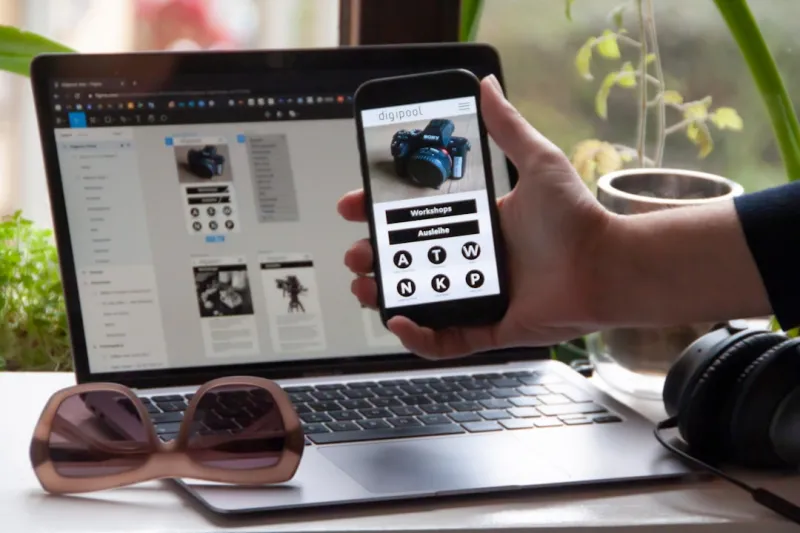
Mobile technology has played a significant role in the evolution of online shopping, enabling consumers to browse and purchase products on-the-go. The widespread adoption of smartphones has created new opportunities for retailers to engage with customers and drive sales, with mobile apps and websites providing a convenient and user-friendly way to shop. For retailers, mobile technology has enabled them to reach a wider audience and create personalized shopping experiences, using data and analytics to tailor their marketing efforts and improve customer engagement. The impact of mobile technology on online shopping has been significant, with many retailers now relying on mobile channels to drive sales and revenue.
The Future of Online Shopping
As technology continues to evolve, it's likely that online shopping will become even more sophisticated and personalized. The use of artificial intelligence and machine learning is already starting to transform the retail landscape, enabling retailers to create highly targeted marketing campaigns and improve customer service. For consumers, the future of online shopping promises to be even more convenient and seamless, with the rise of voice commerce and augmented reality set to revolutionize the way we interact with brands and make purchases. As retailers look to the future, it's clear that the future of web design will play a critical role in shaping the online shopping experience.
The Importance of Customer Experience
In a crowded and competitive market, customer experience has become a key differentiator for retailers. By providing a seamless and personalized shopping experience, retailers can build loyalty and drive repeat business, creating a loyal customer base that will advocate for their brand. For online retailers, this means investing in user experience design and ensuring that their website and mobile app are easy to use and navigate. It also means providing excellent customer service, with clear communication and fast resolution of any issues that may arise. The importance of customer experience cannot be overstated, with many retailers now relying on customer experience to drive sales and revenue.
The Role of Social Media
Social media has become an essential channel for retailers, providing a way to engage with customers and drive sales. By leveraging social media platforms, retailers can create highly targeted marketing campaigns, build brand awareness, and drive website traffic. For consumers, social media provides a way to discover new products and brands, with many retailers using social media influencers to showcase their products and reach a wider audience. The impact of social media on online shopping has been significant, with many retailers now relying on social media to drive sales and revenue.
The Impact on Small Businesses
The rise of online shopping has had a significant impact on small businesses, providing new opportunities for entrepreneurs and small retailers to reach a wider audience. By leveraging e-commerce platforms and social media, small businesses can create a professional online presence and compete more effectively with larger retailers. However, the shift towards online shopping has also created new challenges for small businesses, with many struggling to adapt to the changing landscape and compete with larger retailers. The impact of online shopping on small businesses has been significant, with many small businesses now relying on online channels to drive sales and revenue.
The Future of Retail
As the retail landscape continues to evolve, it's clear that online shopping will play an increasingly important role in the future of retail. By embracing technology and leveraging data and analytics, retailers can create personalized and seamless shopping experiences, driving customer loyalty and revenue growth. For consumers, the future of retail promises to be more convenient and engaging, with the rise of new technologies and innovations set to revolutionize the way we interact with brands and make purchases. As retailers look to the future, it's clear that the evolution of search engine marketing will play a critical role in shaping the online shopping experience.
Conclusion
The evolution of online shopping has transformed the retail landscape, providing new opportunities for retailers to engage with customers and drive sales. As technology continues to evolve, it's likely that online shopping will become even more sophisticated and personalized, with the rise of new technologies and innovations set to revolutionize the way we interact with brands and make purchases. By embracing digital transformation and leveraging data and analytics, retailers can create seamless and personalized shopping experiences, driving customer loyalty and revenue growth.

Miranda Murphy: Experienced freelance writer with a decade of storytelling expertise. Let's create something amazing together!
Related Posts

Snowblower Prices on the Rise? How Tariffs Could Be the Culprit
Winter is coming, and for many homeowners, that means preparing for the inevitable snowfall. A relia... Read More

5 Simple Approaches to Shopping Smarter
In an era of relentless consumerism, where targeted ads flood our feeds and new products constantly ... Read More

From Window Shopping to Wallets: Redefining Retail with Real‑Time Experience Design
A deep dive into turning instant shopper intent into lasting loyalty through real‑time personaliza... Read More
Top Posts
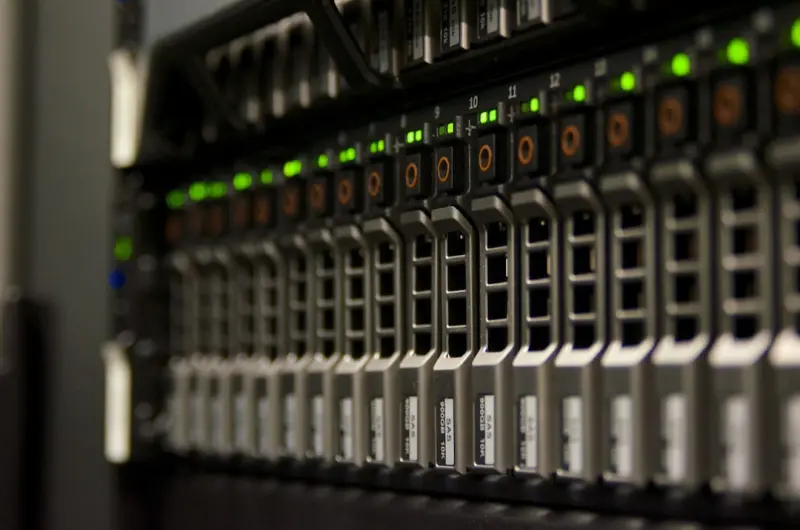
Why Dedicated Hosting Is the Unsung Hero of High‑Performance Web Apps
Explore the hidden benefits of dedicated hosting, from unparalleled performance and security to cost‑effective scalability, and learn how to choose the right ...Read More
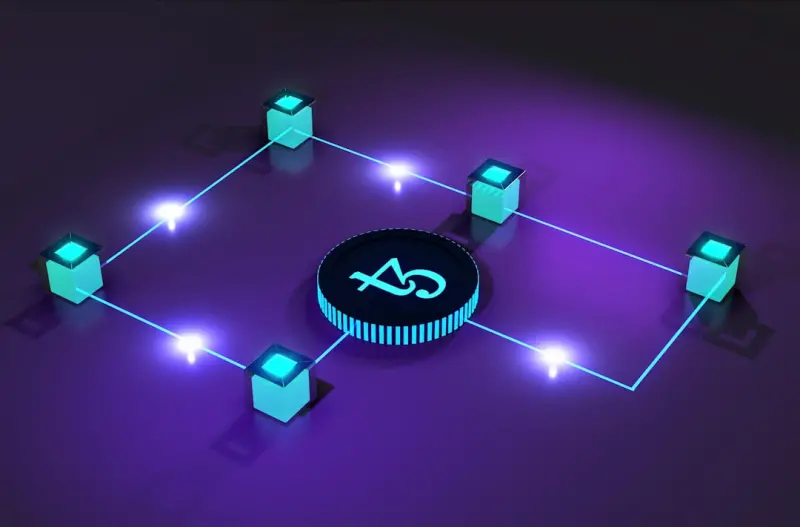
Shared Hosting: A Pragmatic Guide for Budget‑Savvy SaaS Teams
Shared hosting can be a cost‑effective launchpad for SaaS startups if paired with the right performance hacks, monitoring, and DevOps practices. This guide sh...Read More

Raising a Generation of Eco-Warriors: Why Sustainable Living Matters for Kids
Discover the importance of teaching kids about sustainable living and how parents can inspire eco-conscious behaviors in their children. Learn practical ways to...Read More

The Role of Social Media in Your Website SEO
In the ever-evolving digital landscape, the relationship between social media and Search Engine Optimization (SEO) has been a subject of continuous debate. For ...Read More
0 Comments
Post Comment
You will need to Login or Register to comment on this post!