

Why Gifting Has Become a Strategic Conversation, Not Just a Holiday Habit
When I first stepped into the world of corporate communications, gifts were something I tucked into the back‑of‑the‑calendar—think “end‑of‑year thank‑you” or “client onboarding token.” Over the past few years, the act of giving has morphed into a nuanced dialogue that reflects company values, employee wellbeing, and even product philosophy. In my own practice, I’ve learned that a gift isn’t just an object; it’s a story, a data point, and a bridge between intent and perception.
The Psychology Behind Unexpected Tokens
Human beings are wired to notice the unexpected. A surprise coffee mug on a Monday morning can trigger a cascade of dopamine, making the recipient feel seen and appreciated. This isn’t a gimmick; it’s neuroscience. When we combine the element of surprise with relevance—say, a personalized notebook that mirrors a teammate’s design aesthetic—the emotional payoff multiplies. The key is to align the surprise with a deeper narrative about the recipient’s role or personal interests.
Data‑Driven Gift Curation: From Guesswork to Insight
In my recent projects, I’ve started treating gifting as an analytics problem. By mining internal collaboration tools, engagement metrics, and even informal “water‑cooler” chatter, I can surface the themes that truly resonate with each team. For example, a group that frequently discusses adaptive UI concepts might appreciate a set of design‑focused sketchbooks or a subscription to a premium prototyping platform. The data tells us not just what they need, but how they want to be perceived.
Crafting a Gift Ecosystem for Remote Teams
Remote work has fractured the traditional “office pantry” experience. Without a shared physical space, we lose the spontaneous moments of gratitude that happen over a coffee break. To compensate, I’ve built a layered gifting strategy:
- Micro‑moments: Small, frequent tokens like digital stickers, e‑gift cards for a favorite lunch spot, or even a short tiny exercise burst video that encourages a quick stretch break.
- Quarterly Milestones: Thoughtful packages that reflect a team’s quarterly achievements—perhaps a curated book bundle that aligns with a product launch theme.
- Annual Celebrations: High‑impact gifts that tie back to company milestones, such as limited‑edition swag designed in collaboration with the design team.
This hierarchy ensures that recognition isn’t a one‑off event but a continuous thread woven through the employee experience.
Balancing Sustainability and Personalization
Many companies shy away from gifting because they fear waste. The truth is, sustainability can coexist with personalization if we choose wisely. Reusable items—think bamboo utensils, plant‑based phone cases, or refillable water bottles—can be customized with a subtle logo or a hand‑written note. The impact is twofold: it reduces landfill and reinforces the brand’s commitment to responsible practices.
Gifting as a Brand Narrative Tool
Every time a client unwraps a thoughtfully chosen gift, they receive a tangible extension of your brand story. If your brand champions innovation, a sleek, tech‑savvy gadget (like a smart notebook that syncs with cloud services) becomes an ambassador for that promise. Conversely, a brand built on craftsmanship might opt for hand‑crafted leather goods, showcasing dedication to quality. The gift becomes a miniature billboard, silently broadcasting your core values.
Leveraging Partnerships for Curated Experiences
One of the most powerful ways to elevate gifting is through strategic partnerships. By collaborating with niche artisans, local makers, or specialty subscription services, you can offer experiences that feel exclusive. A partnership with a boutique coffee roaster, for example, can provide a monthly “bean of the month” delivery that ties back to a quarterly sprint review—making the gift both timely and relevant.
Legal and Ethical Considerations
When gifting in a B2B context, it’s essential to stay within compliance boundaries. Some industries have strict anti‑bribery regulations that dictate the value and nature of gifts. Always consult your legal team before rolling out a new program. A good rule of thumb: keep gifts modest, transparent, and clearly tied to a professional relationship.
Measuring Gift ROI: Beyond the Thank‑You Note
Traditional ROI metrics—sales lift, churn reduction—don’t always capture the subtle influence of gifting. To gauge effectiveness, I track a blend of quantitative and qualitative signals:
- Engagement Scores: Increases in collaboration tool usage after a gifting cycle.
- Sentiment Analysis: Positive language spikes in internal surveys or Slack channels.
- Retention Indicators: Reduced turnover in teams that receive regular recognition.
- Referral Activity: Higher referral rates from clients who have experienced thoughtful gifting.
These metrics help translate the intangible goodwill into actionable data.
Future Trends: AI‑Curated Gifting
Imagine an AI that scans a teammate’s calendar, recent project contributions, and personal interests to recommend a perfectly timed gift. While we’re not there yet, early prototypes already suggest that machine‑learning models can identify patterns that humans miss. As the technology matures, expect a shift from manual curation to AI‑assisted recommendation engines—making the process faster, more precise, and scalable.
Practical Checklist for Your First Gifting Campaign
To get you started, here’s a simple, actionable checklist:
- Define Objectives: Is the goal morale boost, client retention, brand awareness, or all three?
- Gather Data: Pull insights from HR platforms, CRM, and informal feedback channels.
- Select Themes: Align gifts with company values—innovation, sustainability, craftsmanship, etc.
- Choose Partners: Identify vendors who can deliver quality, customization, and ethical sourcing.
- Set a Budget: Allocate funds per recipient tier; remember that consistency matters more than extravagance.
- Design the Delivery Experience: Personalized notes, packaging, and timing are crucial.
- Track Results: Use the metrics above to evaluate impact and iterate.
By following this roadmap, you’ll turn gifting from a seasonal afterthought into a core component of your culture strategy.
Conclusion: The Gift as a Conversation Starter
In the end, gifting is less about the item and more about the dialogue it opens. When a recipient feels that a gift was chosen with intention, they’re more likely to engage, share, and advocate for your brand. As we move deeper into an era where remote work and digital experiences dominate, the humble gift can be the most human touchpoint you have. Treat it with the same care you give to any strategic initiative, and watch the ripple effects cascade through your organization.

Mei Chen is a dynamic professional who brings a unique blend of skills to Blogging Fusion. As a key contributor to the Blogging Fusion platform, she leverages her writing expertise to create engaging content that resonates with our audience.
Related Posts

Curated Gifting: Turning Presents into Lasting Connections
A deep dive into the art of curated gifting, showing how thoughtful, sensory‑rich presents can tra... Read More

The Art of Gift‑Giving in 2024: Trends, Tech, and Thoughtful Choices
Paul Flynn uncovers 2024’s hottest gift ideas, blending sustainability, tech, and personal touches... Read More
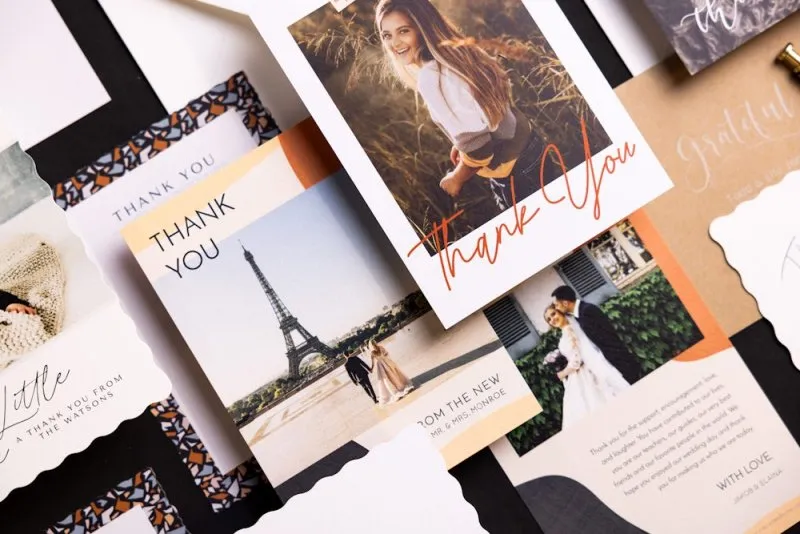
How to choose the perfect personalized thank you card
In an increasingly digitized world, the genuine warmth of a handwritten thank you note stands out as... Read More
Top Posts

The Evolution of Email Marketing: Trends and Insights
Email marketing continues to evolve, with personalization, storytelling, and mobile-friendliness becoming increasingly important. Learn how to stay ahead of the...Read More

Gentle Routines That Nurture Calm and Confidence in Your Baby’s First Year
Learn why gentle, consistent routines are the secret to a calm, confident baby. From reading tiny cues to creating safe play zones, this guide offers practical,...Read More

Turning Side Projects into Career Superpowers
Side projects are more than hobbies—they’re strategic experiments that sharpen skills, expand networks, and future‑proof your career. Learn how to turn th...Read More

Resilience and Readiness: A Guide to Power Outage Preparation and Safe Generator Deployment
A reliable electrical power is not merely a convenience—it is the foundational necessity driving residential comfort, business continuity, and critical public...Read More
0 Comments
Post Comment
You will need to Login or Register to comment on this post!