
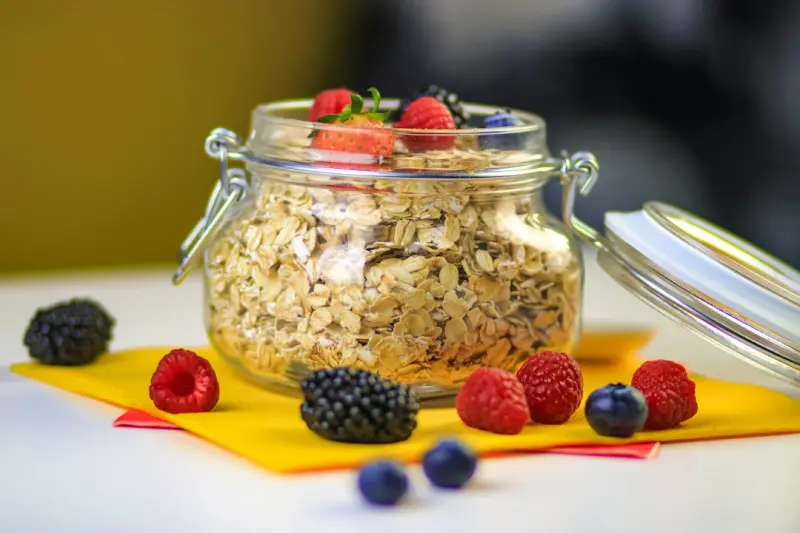
Why Micro‑Movements Are the Unsung Heroes of Modern Wellness
When I first stepped into the world of corporate consulting, I was a self‑confessed “desk‑bound” professional. My day was a loop of meetings, spreadsheet crunching, and the occasional coffee break that felt more like a ritual than a respite. It wasn’t until a colleague challenged me to stand up every 30 minutes that I discovered the transformative power of what I now call micro‑movements—brief, intentional bursts of activity that fit seamlessly into any schedule.
Micro‑movements are not about carving out an hour‑long gym session or mastering a complex yoga flow. They’re about recognizing that the human body is designed to move continuously, and that even a 20‑second stretch, a quick calf raise, or a handful of squats can reset your nervous system, boost circulation, and sharpen mental clarity. In a world where “busy” has become a badge of honor, these tiny actions become the covert weapons we wield to protect our health without compromising productivity.
The Science Behind the Small: How Brief Activity Triggers Big Benefits
Research from the fields of physiology and neuroscience consistently shows that short, repeated bouts of movement stimulate the release of neurotransmitters like dopamine and norepinephrine, which are essential for focus and mood regulation. A 2019 study published in Frontiers in Physiology demonstrated that participants who performed 30‑second “movement micro‑breaks” every ten minutes reported a 15 % increase in perceived energy levels compared with those who stayed seated.
Beyond the immediate buzz, micro‑movements activate the muscle‑pump mechanism, encouraging fresh blood flow to muscles and the brain. This enhanced perfusion improves the delivery of oxygen and nutrients while flushing out metabolic waste—a process that can reduce the fatigue that often creeps in after long periods of sitting. Over time, the cumulative effect supports better metabolic health, lowers the risk of chronic conditions like type 2 diabetes, and even strengthens the musculoskeletal system.
Designing a Personal Micro‑Movement Blueprint
Just as a well‑crafted adaptive UI design responds fluidly to user input, your micro‑movement plan should be flexible, responsive, and tailored to your environment. Here’s a step‑by‑step method to build one that feels natural rather than forced:
- Audit Your Day. For one workday, note every time you naturally shift—standing to answer a call, walking to the printer, or stretching after a meeting. These are your “anchor points.”
- Define Micro‑Movement Types. Choose three categories: stretch (e.g., neck rolls), strength (e.g., wall push‑ups), and mobility (e.g., hip circles). Keep each under 30 seconds.
- Set Timers. Use a subtle phone alarm, a smartwatch haptic, or a browser extension to cue you every 45‑60 minutes. The reminder should be gentle—think of it as a nudge, not a command.
- Pair With Existing Habits. Link a micro‑movement to an activity you already do, such as standing while you sip your coffee or squatting while you wait for a file to upload.
- Track & Iterate. After a week, log how you feel—energy, focus, any aches. Adjust the frequency or type of movement based on the data you collect.
Micro‑Movement in the Context of Workplace Culture
Many organizations champion wellness through yoga classes, ergonomic chairs, or subsidized gym memberships. While valuable, these top‑down initiatives often miss the mark for employees who feel they simply don’t have the time. By embedding micro‑movements into the fabric of daily workflows, companies can democratize health without demanding additional resources.
Think of it as a form of relationship engineering—but instead of forging external partnerships, you’re nurturing the relationship between mind and body. When leadership models micro‑movement habits—standing during a presentation, walking to a colleague’s desk rather than emailing—they send a powerful signal that health is integral, not ancillary.
Case Study: From Desk‑Bound to Dynamic in Six Weeks
One of my clients, a mid‑size fintech firm, faced a noticeable dip in employee engagement and a spike in reported back pain. We introduced a pilot program that encouraged every staff member to perform a 20‑second “reset” movement at the top of each hour. The movements were simple: shoulder rolls, seated spinal twists, and ankle pumps.
After six weeks, the results were compelling:
- Energy Scores: Self‑reported energy levels rose by 22 % on average.
- Productivity Metrics: The average time to complete routine tasks dropped by 9 %.
- Health Claims: The company’s internal health portal recorded a 30 % reduction in musculoskeletal complaints.
What made this experiment succeed wasn’t the novelty of the movements themselves, but the cultural shift toward “movement as a productivity tool.” The program was framed not as a wellness add‑on, but as a performance enhancer—an insight that many wellness initiatives overlook.
Integrating Micro‑Movements with Digital Tools
Modern workplaces are saturated with technology, which can be both a barrier and an enabler for micro‑movement adoption. Here are three tech‑friendly strategies:
- Browser Extensions. Tools like “Stretch Reminder” or “Pomodoro” timers can be customized to prompt a movement break.
- Wearable Sensors. Smartwatches can detect prolonged inactivity and vibrate gently to remind you to move.
- Gamified Platforms. Some companies use point‑based systems where employees earn badges for consistent movement, creating a light‑hearted competitive element.
The key is to keep the digital prompts subtle—over‑notification can lead to “alert fatigue,” undermining the very habit you’re trying to build.
Micro‑Movement Meets Nutrition: A Holistic Approach
Physical movement is only half of the wellness equation. Pairing micro‑movements with strategic nutrition amplifies the benefits. For example, a brief walk after a protein‑rich snack can help stabilize blood glucose levels, preventing the mid‑afternoon crash that many office workers experience. Likewise, staying hydrated is crucial; dehydration can mask itself as fatigue, making you less likely to move.
A simple daily protocol could look like this:
- Morning: 30‑second neck stretch after coffee.
- Mid‑morning snack: 20‑second calf raise while sipping water.
- Pre‑lunch: 30‑second torso twist after a balanced salad.
- Afternoon: 20‑second wall sit during a quick email check.
When you align movement with eating patterns, you create a rhythm that supports metabolic health, cognitive performance, and mood regulation.
Overcoming Common Barriers
Even the most motivated individuals encounter obstacles. Here are three frequent roadblocks and practical fixes:
- “I Don’t Have Time.” Reframe micro‑movements as “micro‑investments” of 10‑second intervals that actually save time by preventing burnout.
- “I Feel Self‑Conscious.” Choose discreet movements—seated leg extensions or subtle shoulder rolls—that can be done without drawing attention.
- “I Forget.” Integrate cues into existing workflows, such as performing a stretch while waiting for a presentation to load.
By addressing the psychological components of habit formation, you make micro‑movement a sustainable part of your day.
Future Trends: Micro‑Movement as a Data‑Driven Discipline
As organizations become more data‑savvy, the next frontier for micro‑movement will likely involve analytics. Imagine an employee dashboard that visualizes movement frequency, correlates it with productivity spikes, and offers personalized recommendations. This mirrors the evolution of “real‑time strategic engines” in other domains—only now the focus is on personal health metrics.
While we’re not there yet, the groundwork is being laid by wearable technology developers and wellness platforms that already collect step counts and heart‑rate variability. By translating that raw data into actionable micro‑movement prompts, we’ll move from intuition‑based habits to evidence‑based routines.
Take the First Step (Literally)
If you’re reading this at your desk, pause for a moment. Roll your shoulders back, reach your arms overhead, and take a deep breath. Feel the stretch, notice the change in posture, and appreciate how a single 20‑second act can shift your mental state.
The journey to lasting health doesn’t always require drastic overhauls. Sometimes, the most profound transformations begin with a tiny, intentional movement—a micro‑step that, when repeated, builds momentum toward a healthier, more resilient you.

Sanji Patel is a Staff Writer at Blogging Fusion and a globally recognized SEO consultant with 25 years of industry experience. He specializes in delivering comprehensive technical and editorial SEO services to news publishers worldwide. Sanji frequently shares his insights as a speaker at international conferences and delivers annual guest lectures at local universities.
Professional Profile
- Current Role: Staff Writer at Blogging Fusion.
- Core Expertise: Technical and editorial SEO strategy.
- Target Audience: Global news publishers and digital media outlets.
- Industry Experience: 25 years of dedicated SEO consultancy.
- Public Engagement: International conference speaker and university guest lecturer.
Related Posts

Quiet Waves: How Ambient Sound Boosts Office Wellbeing
A deep dive into the science of ambient sound, offering practical steps to create micro‑soundscape... Read More

Rewiring Your Body’s Natural Rhythm: The Rise of Bio‑Sync Wellness
Explore the emerging practice of bio‑sync wellness, where aligning daily habits with natural circa... Read More
Reclaiming Your Energy: A Fresh Playbook for Digital Wellness
Discover a human‑first approach to digital wellness that blends intentional screen pauses, movemen... Read More
Top Posts

Micro-Adventure Wellness: Tiny Trips, Massive Health Payoff
Micro‑adventure wellness turns short, local outings into powerful health boosts, offering mental clarity, physical activity, and social connection in just min...Read More

The Importance of Chimney Repair for Home Safety and Efficiency
A chimney is an often-overlooked yet crucial component of a home's infrastructure. It serves as a vital pathway for exhaust gases and soot to escape from firepl...Read More
Semantic SEO for B2B SaaS: Win AI-Driven Search
A deep dive into semantic SEO for B2B SaaS, showing how to build topic clusters, use schema markup, and optimize for voice search to stay ahead of AI‑driven G...Read More

Off‑The‑Grid Adventures: Reclaiming Travel in a Hyper‑Connected World
A guide to designing meaningful off‑grid trips that prioritize silence, low‑tech navigation, and authentic experiences, helping travelers reclaim the joy of...Read More
0 Comments
Post Comment
You will need to Login or Register to comment on this post!