
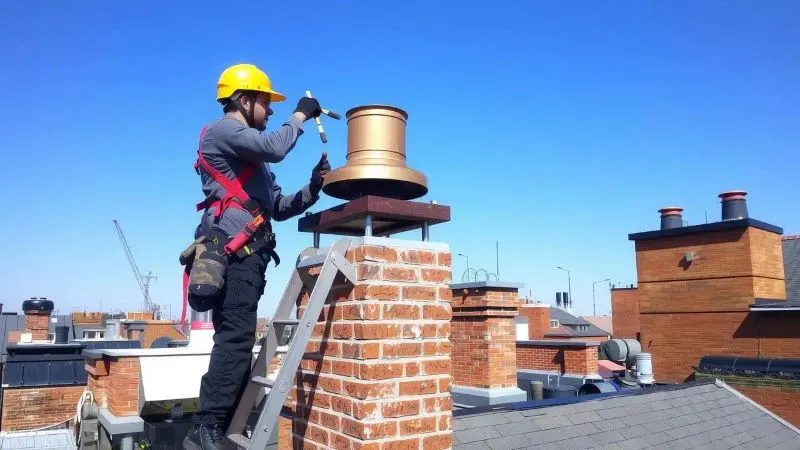
A chimney is an often-overlooked yet crucial component of a home's infrastructure. It serves as a vital pathway for exhaust gases and soot to escape from fireplaces, wood stoves, and furnaces, preventing dangerous buildup of toxic fumes inside the dwelling. However, like any mechanical system, chimneys require regular maintenance to function optimally and ensure the safety of occupants. Neglecting chimney repair can lead to serious consequences, including property damage, health hazards, and even fires.
Structural Integrity and Leaks
The chimney's outer shell, typically made of brick, stone, or concrete, forms the first line of defense against the elements. Over time, weathering, erosion, and thermal stress can cause cracks and damage to the masonry. These gaps allow moisture to penetrate the system, leading to leaks and erosion within the flue. As the chimney ages, the mortar that holds the bricks together deteriorates, exacerbating the problem. Leaks can cause flue lining corrosion, compromise the structural integrity of the chimney, and create an entry point for animals, debris, and even water, which can lead to further damage and costly repairs.
Sooting and Creosote Buildup
Inside the chimney, a different type of danger lurks in the form of soot and creosote deposits. These byproducts of combustion, particularly from wood-burning appliances, can accumulate on the flue walls and potentially ignite, causing a chimney fire. Sooting and creosote buildup can also restrict airflow, reducing the chimney's efficiency and potentially causing carbon monoxide (CO) to backdraft into living spaces. CO is a colorless, odorless gas that can be lethal in high concentrations, making it a silent killer. Regular chimney cleaning and maintenance are essential to prevent these hazards.
Animal Infestations and Blockages
Chimneys can also attract unwanted critters, such as birds, squirrels, raccoons, and bats, which may seek shelter in the warm, dark environment. These animals can cause blockages by accumulating debris, nesting materials, and even their own bodies, obstructing the flow of gases and smoke. In extreme cases, animal infestations can lead to structural damage, as the creatures may gnaw on the masonry, dislodge bricks, or compromise the integrity of the chimney cap or crown. Moreover, the presence of animals can increase the risk of fires, as they may inadvertently ignite flammable materials or create sparks when moving around.
Fire Safety and Code Compliance
A damaged or poorly maintained chimney poses a significant fire hazard, especially during the winter months when heating appliances are in constant use. Cracked flues, loose or missing chimney connectors, and malfunctioning or clogged dampers can all contribute to a chimney fire. These blazes can spread quickly, engulfing the chimney and potentially extending to the surrounding structure. In severe cases, chimney fires can lead to total loss of property and even loss of life.
Beyond the immediate risk of fire, neglecting chimney maintenance can put a household out of compliance with local building codes and regulations. Many jurisdictions require annual inspections and cleaning of chimneys to ensure they are safe for use. Failure to comply with these standards can result in fines, insurance claims being denied in the event of a chimney-related incident, and even the shutdown of heating systems until the necessary repairs are made.
Efficiency and Performance
A well-maintained chimney not only enhances safety but also optimizes the performance of heating appliances. A clean, unobstructed flue allows for proper ventilation and gas flow, ensuring that appliances operate efficiently and burn fuel cleanly. This, in turn, can help reduce energy consumption, lower heating bills, and minimize the environmental impact of the household.
In contrast, a dirty or damaged chimney can lead to reduced efficiency, increased fuel consumption, and a buildup of hazardous fumes. For example, a clogged flue can cause a wood stove or fireplace to produce excessive smoke, soot, and creosote, which can then damage the appliance or spread to the surrounding area. Regular chimney maintenance helps prevent these issues and ensures that heating systems perform as intended.
Conclusion
Chimney repair is a critical aspect of home maintenance that often goes unnoticed until a problem arises. However, by recognizing the potential dangers and benefits of regular chimney inspections, cleaning, and repairs, homeowners can safeguard their property, health, and well-being. A well-maintained chimney is not only a safety imperative but also a key factor in optimizing the performance and efficiency of heating appliances. By investing in professional chimney services and staying vigilant about signs of chimney distress, homeowners can enjoy a safer, more comfortable, and environmentally responsible living space.

Dale Peterson is a freelance writer with a passion for technology, travel, law and personal finance. With 10 years of experience crafting compelling and informative content, he's dedicated to delivering high-quality writing for Blogging Fusion that engages audiences and achieves specific goals.
Related Posts

Why the Shark Stick Vacuum is the Ultimate Solution for Dust and Pet Hair
In the perpetual theater of domestic maintenance, few adversaries are as relentless or as pervasive ... Read More

Home Trends Rose DesRochers Swears By: From Pet‑Friendly Hacks to Eco‑Chic Upgrades
Rose DesRochers shares her 2024 home‑improvement secrets, from pet‑friendly layouts and smart li... Read More

Home Hacks from Sanji Patel: Trendy Tips to Transform Your Space
Sanji Patel shares his latest home hacks—smart decluttering, eco‑friendly cleaning tools, and mu... Read More
Top Posts

The Untapped Potential of Search Intent Clustering
Explore a fresh SEO methodology that groups user intent at scale, leverages data pipelines, and builds resilient content hubs for long‑term visibility....Read More
When Trust Becomes a Target: Navigating the New Landscape of SaaS Scams
Scams are infiltrating SaaS platforms through AI‑generated deepfakes, compromised integrations, and social‑engineering tricks. This post reveals why SaaS is...Read More

How a Capsule Wardrobe Transforms Every Adventure
Learn to pack smarter with a capsule wardrobe: fewer items, more freedom, and sustainable travel tips that turn every trip into a lighter, richer adventure....Read More
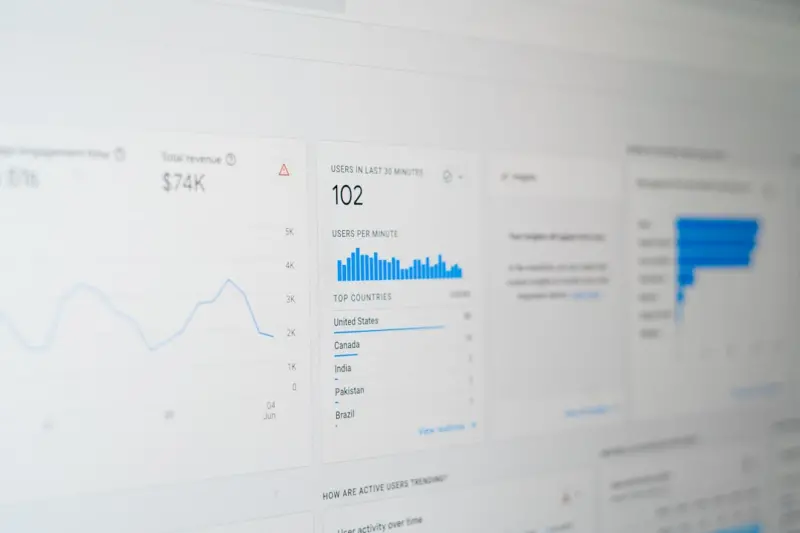
Google Analytics as the North Star for B2B SaaS Product Decisions
Learn how to turn Google Analytics data into actionable product insights, from event‑driven tracking and predictive churn scores to privacy‑first implementa...Read More
0 Comments
Post Comment
You will need to Login or Register to comment on this post!