
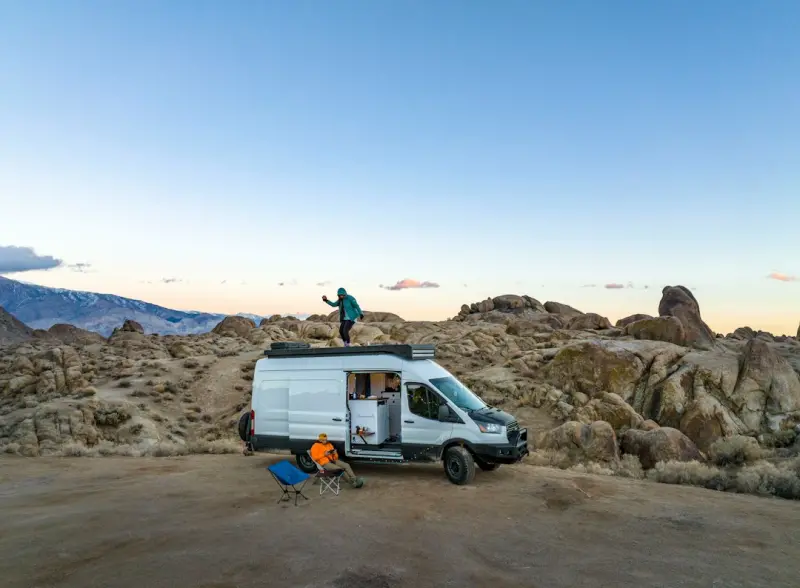
Why Tiny Trips Are the New Wellness Super‑Power
Ever feel like you’re stuck in a loop of emails, meetings, and the occasional gym session that feels more like a chore than a celebration? I’ve been there. As someone who juggles a demanding career in tech product strategy with a love for community cooking classes, I’m constantly hunting for ways to sprinkle genuine vitality into the mundane. The answer, surprisingly, isn’t a pricey supplement or a marathon‑training plan. It’s micro‑adventure wellness – the intentional practice of turning small, intentional outings into big health dividends.
What Exactly Is a Micro‑Adventure?
A micro‑adventure is a short, low‑cost, and locally accessible experience that breaks the routine and injects a dose of novelty into your day. Think of it as a mini‑quest that lasts anywhere from 15 minutes to a few hours, and doesn’t require a passport or a mountain‑climbing permit. It could be:
- Walking a new neighborhood trail at sunrise.
- Finding a hidden rooftop garden and doing a 10‑minute yoga flow.
- Exploring a farmer’s market you’ve never visited and cooking a spontaneous recipe at home.
- Joining a pop‑up outdoor drum circle for a burst of rhythmic cardio.
The magic lies in the psychological shift: you’re stepping out of the predictable, giving your brain a fresh set of stimuli, and allowing your body to move in new ways.
The Science Behind Mini‑Escapes
Research on novelty and the brain tells us that new environments trigger the release of dopamine, the neurotransmitter responsible for motivation and reward. When you encounter unfamiliar sights, smells, or sounds, your brain lights up, creating a feeling of exhilaration similar to what you’d experience on a vacation. This dopamine surge can improve mood, enhance focus, and even boost immune function.
In addition, short bursts of moderate activity—like strolling a new park or climbing a few stairs to a hidden viewpoint—activate the muscle pump and improve circulation without the fatigue that often follows a long gym session. The result? A more sustainable, enjoyable route to cardiovascular health.
Micro‑Adventure Meets Nutrition: The Ingredient Transparency Connection
One of my favorite micro‑adventures is a Saturday morning visit to the local food co‑op. While the stroll itself gets my blood flowing, the real health boost happens when I discover transparent sourcing—knowing exactly where my food comes from. This aligns perfectly with the growing trend of ingredient transparency that’s reshaping home cooking.
When you shop at a market that displays farm names, harvest dates, and even pesticide‑free certifications, you’re more likely to make conscious choices that fuel your body with nutrient‑dense foods. The act of selecting fresh, local produce while wandering through vibrant stalls also serves as a sensory micro‑adventure: the colors, textures, and aromas become a form of mindful immersion that reduces stress and supports better digestion.
Integrating Micro‑Adventures Into Daily Wellness Routines
It’s tempting to think of micro‑adventures as occasional treats, but the real power emerges when you weave them into your daily wellness routines. Here’s how you can start:
- Map Your Micro‑Adventure Zones: Identify three neighborhoods or natural spots within a 10‑minute commute. Keep a small notebook or phone note titled “Micro‑Adventure List.”
- Schedule Mini‑Breaks: Block 15‑minute windows in your calendar, just as you would a meeting. Treat these blocks as non‑negotiable appointments with yourself.
- Set Intentional Goals: Each micro‑adventure should have a purpose—whether it’s “find a new coffee shop with outdoor seating” or “practice a 5‑minute breathing exercise by the river.”
- Reflect & Capture: After each adventure, jot down a quick note about how you felt. Over time, you’ll see patterns of improved mood, energy, and creativity.
Health Benefits in Three Pillars
Micro‑adventures don’t just feel good—they deliver measurable health outcomes across three core pillars:
1. Mental Health Boost
Changing scenery reduces rumination, a key driver of anxiety and depression. Even a brief walk in a park can lower cortisol levels by up to 12%, according to recent studies. The novelty factor also encourages neuroplasticity, helping the brain form new connections that support learning and memory.
2. Physical Activity Amplifier
While the World Health Organization recommends 150 minutes of moderate activity per week, micro‑adventures make it easier to meet that goal without feeling like you’re “exercising.” A series of 15‑minute walks adds up, and the varied terrain—hills, stairs, uneven paths—engages different muscle groups, improving balance and coordination.
3. Social Connection Catalyst
Many micro‑adventures involve community: a pop‑up fitness class, a neighborhood clean‑up, or a shared cooking experience at a local market. These social touchpoints release oxytocin, the “bonding hormone,” which is linked to lower blood pressure and stronger immune responses.
Real‑World Stories From My Micro‑Adventure Journal
Below are three snippets from my own journal, illustrating how tiny trips have reshaped my wellbeing:
- The Sunrise Staircase Sprint: I discovered a hidden staircase behind the city library that leads to a small hilltop garden. A 10‑minute climb each morning has become my “wake‑up call”—I feel more alert, and my colleagues have noticed I’m more engaged in meetings.
- Market‑Inspired Meal Prep: A Saturday stroll to the farmers’ market led me to a rare heirloom tomato. I turned it into a quick gazpacho, which sparked a week‑long experiment with raw, seasonal meals. The result? Better digestion and a surprising surge in creative ideas for a product launch.
- Evening Drum Circle: Joining a community drum circle at the local park for a 30‑minute session gave me an unexpected cardio workout and a massive mood lift. The rhythmic beats helped release tension built up from coding marathons.
Designing Your First Micro‑Adventure: A Step‑by‑Step Guide
Ready to dive in? Follow this simple framework to craft your inaugural micro‑adventure:
- Identify a “Micro‑Gap”: Look at your calendar for 15‑30 minute gaps. These are your opportunity windows.
- Pick a Theme: Choose a focus—nature, food, culture, movement. This will guide your destination.
- Research Nearby Spots: Use a map app or community bulletin board to locate places that fit your theme within a short distance.
- Gather Essentials: Pack a small bag with water, a reusable tote, and a notebook. If it’s a food‑focused adventure, bring a reusable container for any fresh finds.
- Set a Mini‑Goal: For example, “photograph three unique street art pieces” or “learn one new yoga pose by the river.”
- Reflect Afterwards: Spend five minutes journaling how you felt. Note any physical sensations, mood changes, or ideas that surfaced.
Overcoming Common Barriers
Even the most enthusiastic wellness advocates hit roadblocks. Here’s how to navigate them:
- Time Constraints: Remember, micro‑adventures are designed to fit into tight schedules. Even a 10‑minute walk around the office block counts.
- Weather Woes: Keep a backup indoor adventure list—like a local art gallery, a community library event, or an indoor plant‑care workshop.
- Safety Concerns: Choose well‑lit, populated areas, and let a colleague or friend know your plan. A quick check-in can turn a solo outing into a shared experience.
- Perfection Paralysis: Don’t over‑plan. The goal is spontaneity, not a meticulously scripted itinerary. Let curiosity guide you.
Micro‑Adventures for Teams: Boosting Corporate Wellness
From my experience leading cross‑functional squads, I’ve seen how micro‑adventures can be a catalyst for stronger team dynamics. Organize a “Lunch‑Break Exploration” where teams split into small groups to discover a new park or café each week. The shared experience builds trust, sparks conversation, and fuels creativity—benefits that translate directly into more innovative product outcomes.
Future‑Proofing Your Wellness Strategy
As the world leans increasingly toward hybrid work and digital fatigue, micro‑adventures offer a low‑tech, high‑impact antidote. By embedding these bite‑sized experiences into personal and corporate wellness plans, you create a resilient health ecosystem that can adapt to changing circumstances—whether that’s a shift to remote work or a bustling return to the office.
Think of micro‑adventures as the “plug‑and‑play” component of your wellness software: easy to integrate, instantly beneficial, and endlessly customizable.
Final Thoughts: Embrace the Tiny, Reap the Grand
When I first tried micro‑adventures, I was skeptical—how could a 15‑minute walk possibly rival a weekend retreat? The answer lies in the cumulative effect. Each tiny trip adds a layer of vitality, and over weeks and months, those layers stack into a robust foundation of mental clarity, physical stamina, and social connectivity.
If you’re ready to upgrade your health without overhauling your entire schedule, start small. Choose a corner of your city you’ve never explored, set a timer for 20 minutes, and step outside. The world is full of micro‑adventures waiting to be discovered, and each one holds the promise of a healthier, more vibrant you.

Miranda Murphy: Experienced freelance writer with a decade of storytelling expertise. Let's create something amazing together!
Related Posts
Urban Forest Bathing: The Science‑Backed Reset for Busy Professionals
Urban forest bathing offers a simple, science‑backed way for city‑dwelling professionals to lowe... Read More

Reclaiming Calm: A Pragmatic Guide to Digital Wellness
Learn practical, low‑tech habits to combat constant connectivity, improve focus, and protect menta... Read More
Cultivating Your Body Clock: Intentional Pauses for Peak Wellness
Learn to sync daily tasks with your natural body clock using purposeful breaks, breathwork, nutritio... Read More
Top Posts

Curating Your Personal Sanctuary: Tiny Shifts for Tremendous Calm
A practical guide to building a personal sanctuary using decluttering, intentional lighting, scent, digital quiet zones, community markets, collective buying, a...Read More

Things You're Tossing in the Recycling Bin That Don't Belong There
Many households unknowingly contaminate their recycling by tossing in unrecyclable items like greasy pizza boxes or plastic film. This guide explains exactly wh...Read More
Why Every Blogger Needs a Structured Idea Vault
A Structured Idea Vault organizes raw thoughts by origin, maturity, and strategic goal, turning fleeting sparks into publishable articles and creating a reliabl...Read More

The Strategic Edge of Managed WordPress Hosting for B2B Growth
Managed WordPress hosting delivers built‑in speed, robust security, and effortless scalability, giving B2B firms the confidence to focus on product innovation...Read More
0 Comments
Post Comment
You will need to Login or Register to comment on this post!