

Why We Crave Quiet Corners
There’s something undeniably magnetic about a tucked‑away spot where the world feels a little slower. As someone who’s spent more time scrolling through endless SaaS webinars than actually talking to people, I’ve learned that the home is the ultimate buffer against digital fatigue. A secret sanctuary—whether it’s a repurposed laundry closet, a sun‑kissed windowsill, or a reclaimed attic corner—offers a pocket of calm that resets our nervous system and fuels creativity. Think of it as a mental “reset button” you can press anytime, without having to leave the house.
Step 1: Identify Hidden Nooks in Your Home
Before you start buying furniture or painting walls, walk through your home with a fresh pair of eyes. Look for spaces that are already semi‑private but underutilized. Common candidates include:
- The space beneath a staircase.
- A narrow hallway that feels more like a gallery than a passage.
- The space between the kitchen counter and the fridge—perfect for a slim reading chair.
- Under‑the‑eaves corners in a bedroom that get overlooked because of low ceilings.
Mark these spots with a piece of masking tape or a sticky note. The goal is to visualize potential, not to commit to a design yet.
Step 2: Layer Light and Texture
Lighting is the soul of any sanctuary. Natural light is ideal, but most nooks are shadow‑rich by nature. Here’s how to make light work for you:
- String Lights or Warm LED Strips: Drape them along a shelf or hide them behind a curtain rod to create a soft glow that mimics sunrise.
- Floor Lamps with Dimmer Switches: A single lamp can transform a cramped corner into a cozy reading nook.
- Sheer Curtains: If the nook has a window, light‑filtering curtains soften harsh glare while still letting daylight in.
Textures add depth without taking up space. Consider a plush rug, a woven wall hanging, or a stack of soft throw pillows. These tactile elements invite you to linger.
Step 3: Smart Storage Solutions
A sanctuary should feel effortless, not cluttered. The trick is to blend storage into the design so it disappears when you’re not using it.
- Floating Shelves: Install them at eye level to hold books, plants, or decorative boxes. Because they’re wall‑mounted, they don’t eat up floor space.
- Hidden Baskets: Wicker or fabric baskets can slide under a bench or be tucked into a corner, holding everything from magazines to knitting supplies.
- Built‑In Seating with Storage: A bench with a lift‑up lid gives you a seat and a secret drawer for blankets or yoga mats.
When you think about storage, remember the principle of “out of sight, out of mind.” A tidy corner is a calming corner.
Step 4: Add Sensory Warmth
We often talk about visual aesthetics, but a sanctuary should engage all five senses.
- Sound: A small Bluetooth speaker playing ambient nature sounds or a gentle wind chime can drown out household noise.
- Scent: An essential‑oil diffuser with lavender or eucalyptus promotes relaxation. If you prefer a low‑tech option, a pot of fresh herbs (like rosemary) releases a subtle aroma.
- Touch: Keep a soft blanket within arm’s reach. It’s a tactile reminder that you’re in a safe, inviting space.
- Taste: Place a small tray for a favorite tea or a glass of water—hydration is part of the ritual.
For inspiration on how senses influence design, check out Designing for the Senses. The article dives deeper into the psychology behind color, sound, and texture, which can inform your own sanctuary.
Step 5: Keep It Low‑Maintenance
There’s nothing more stressful than a sanctuary that requires daily upkeep. Aim for materials that age gracefully and are easy to clean:
- Machine‑Washable Throws: Look for fabrics that can be tossed in the wash without shrinking.
- Indoor‑Friendly Plants: Succulents, ZZ plants, or pothos thrive on minimal light and water.
- Minimalist Décor: A single statement piece—like a vintage vase—creates visual interest without clutter.
By choosing low‑maintenance elements, you preserve the sanctuary’s purpose: a refuge, not a chore.
Bonus: Seasonal Switch‑Ups to Keep the Space Fresh
One of the joys of a personal sanctuary is that it can evolve with the seasons. Here are quick swaps you can do in under ten minutes:
- Spring: Replace heavier blankets with lightweight cotton throws; add a fresh bouquet of tulips.
- Summer: Introduce a breezy linen cushion cover and a small tabletop fan.
- Fall: Swap in a wool blanket, a pumpkin‑scented candle, and a few amber‑tinted candles.
- Winter: Layer a faux‑fur rug, add a hot‑cocoa station, and play a low‑volume fireplace video.
These tiny changes keep the sanctuary feeling new and intentional, encouraging you to return to it throughout the year.
Integrating Tech—But Only When It Serves the Calm
Technology doesn’t have to be the enemy of serenity. When used mindfully, it can enhance the sanctuary experience. For instance, a smart plug can schedule a lamp to turn on at dusk, or a voice‑controlled assistant can play a soothing playlist without you having to reach for a device.
If you’re curious about blending nature with tech, the piece on Smart Green explores how home automation can support a biophilic lifestyle without overwhelming the senses. While we’re not turning the whole corner into a tech hub, a few thoughtful integrations can make the space feel more responsive to your needs.
Final Thoughts: Your Sanctuary, Your Rules
Creating a quiet corner isn’t about following a rigid checklist; it’s about listening to what your body and mind crave at any given moment. Maybe you need a spot to sip tea and journal, or a place to stretch and practice breathwork. The beauty of a personal sanctuary is its adaptability—you can shape it, reshape it, and even dismantle it if it no longer serves you.
So, grab a notebook, map out those hidden nooks, and start layering light, texture, and sensory touches. In a world that’s constantly pulling us toward the next notification, a deliberately crafted corner can become the most powerful tool in your home‑based wellbeing arsenal.

When it comes to the world of blogging and writing, Rose DesRochers is a name that stands out. Her passion for creating quality content and connecting with her audience has made her a trusted voice in the industry. Aside from her skills as a writer and blogger, Rose is also known for her compassionate nature.
Related Posts

What are the best Lawnmowers for Homeowners
Choosing the right lawnmower is essential for maintaining a healthy and beautiful property. This gui... Read More

Breathe Easy: Natural Ways to Upgrade Your Home’s Air Quality
Learn simple, natural methods to enhance your home's air quality—DIY filters, plant placements, an... Read More
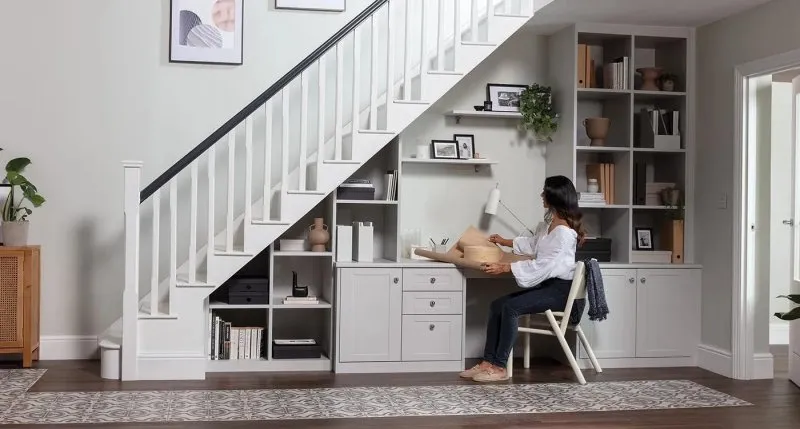
Getting the Most From Your Staircase Space
The humble staircase. For many, it’s simply the functional connector between floors, a utilitarian... Read More
Top Posts

Celebrating Love in 2026: Sustainable, Tech‑Savvy Weddings & Anniversaries
From digital invitations to eco‑friendly dresses, I share my insider tips for crafting a modern, sustainable wedding and anniversary celebration that feels pe...Read More

Chasing the Unwritten Roads: A Traveler’s Guide to Unexpected Connections
Explore the art of sensory travel journaling, local story swaps, and micro‑adventures that turn every trip into a living, unforgettable narrative....Read More

The Art of Unplanned Detours: Redefining Adventure on the Road
Exploring why unplanned detours are essential for authentic travel, this post offers practical tips, personal stories, and tech suggestions to turn unexpected t...Read More

Designing Mobile Apps for Neurodiverse Users: A Fresh Playbook
Learn practical strategies to create mobile apps that serve neurodiverse users, from discovery to validation, leveraging flexible UI, AI personalization, and et...Read More
0 Comments
Post Comment
You will need to Login or Register to comment on this post!