
The Alarming Rise of Online Scams: A Growing Concern
As we continue to navigate the complexities of the digital age, it's becoming increasingly clear that online scams are on the rise. From phishing emails to fake social media profiles, scammers are finding new and innovative ways to deceive unsuspecting victims. As someone who's passionate about cybersecurity and online safety, I'm compelled to share my insights on this pressing issue. In this article, we'll explore the alarming rise of online scams, their impact on modern society, and what we can do to protect ourselves.
The proliferation of social media has created a breeding ground for scammers to operate. Platforms like TikTok, which has experienced explosive growth in recent years, have become a hotspot for scammers to target vulnerable individuals. To understand the scope of this issue, it's essential to examine The Evolution of TikTok: Understanding its Impact on Modern Society. This article provides valuable insights into the app's influence on modern society and how scammers are taking advantage of its vast user base.
The Anatomy of an Online Scam
Online scams often involve a combination of psychological manipulation and technical expertise. Scammers use various tactics to build trust with their victims, including creating fake profiles, using persuasive language, and exploiting emotional vulnerabilities. These tactics can be highly effective, especially when targeted at individuals who are not tech-savvy or are experiencing financial difficulties. For instance, The Power of LinkedIn: Unlocking Career Opportunities in the Digital Age highlights the importance of professional networking platforms like LinkedIn, which can also be used by scammers to target job seekers.
Types of Online Scams
There are several types of online scams that you should be aware of, including:
- Phishing scams: These involve scammers sending fake emails or messages that appear to be from a legitimate source, with the goal of obtaining sensitive information like passwords or credit card numbers.
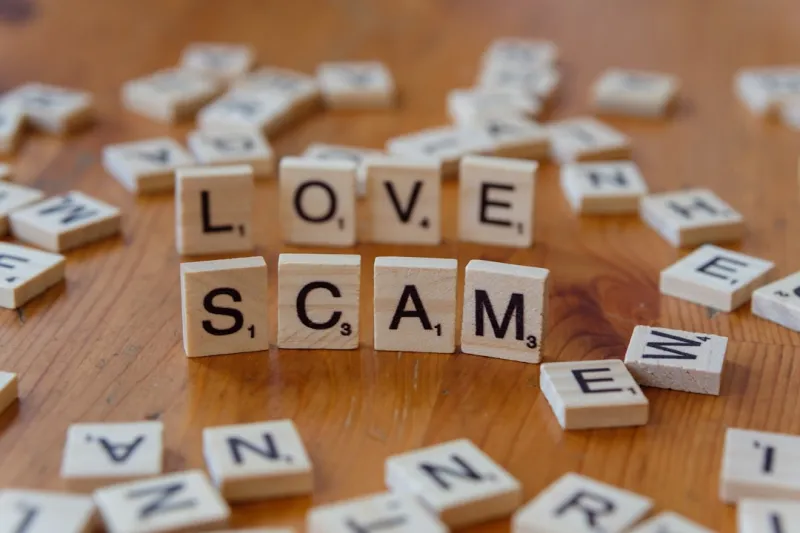
- Romance scams: These involve scammers creating fake profiles on dating websites or social media platforms, with the goal of building a relationship with a victim and eventually asking for money.
- Investment scams: These involve scammers promising unusually high returns on investments, often through fake or unregistered investment opportunities.
The Impact of Online Scams on Modern Society
The impact of online scams on modern society is significant. Not only do they result in financial losses for individuals and businesses, but they also erode trust in online platforms and communities. Furthermore, online scams can have a profound effect on mental health, particularly for those who have been victimized. As we explore in Mental Health in the Digital Age: Navigating the Complexities, the digital age has created new challenges for mental health, and online scams are a significant contributor to these challenges.
Protecting Yourself from Online Scams
So, what can you do to protect yourself from online scams? Here are a few tips:
- Be cautious when clicking on links or providing sensitive information online.
- Verify the authenticity of emails and messages before responding.
- Use strong passwords and enable two-factor authentication whenever possible.
- Stay informed about the latest online scams and tactics used by scammers.
The Role of Technology in Combating Online Scams
Technology plays a critical role in combating online scams. From AI-powered tools that detect and block suspicious activity to online platforms that provide resources and support for victims, technology is being used in innovative ways to prevent and mitigate online scams. For example, Google Gemini: The Future of AI-Powered Search explores the potential of AI-powered search to improve online safety and security.
Conclusion
The alarming rise of online scams is a pressing concern that requires immediate attention. By understanding the anatomy of online scams, the impact on modern society, and the role of technology in combating them, we can take steps to protect ourselves and others. As we continue to navigate the complexities of the digital age, it's essential to stay informed and vigilant. Remember, online safety is everyone's responsibility.
Call to Action
If you or someone you know has been a victim of an online scam, there are resources available to help. Report the incident to the relevant authorities, and seek support from online communities or organizations that specialize in cybersecurity and online safety. Together, we can create a safer and more secure online environment.
Final Thoughts
The fight against online scams is ongoing, and it requires a collective effort from individuals, organizations, and governments. By staying informed, being vigilant, and using technology to our advantage, we can reduce the risk of online scams and create a safer digital landscape. As we move forward, it's essential to prioritize online safety and security, and to work together to prevent online scams.

Ryan Stuart is a seasoned freelance features writer, editor, and professional photographer with a passion for exploring the world and capturing its beauty through words and images.
Related Posts
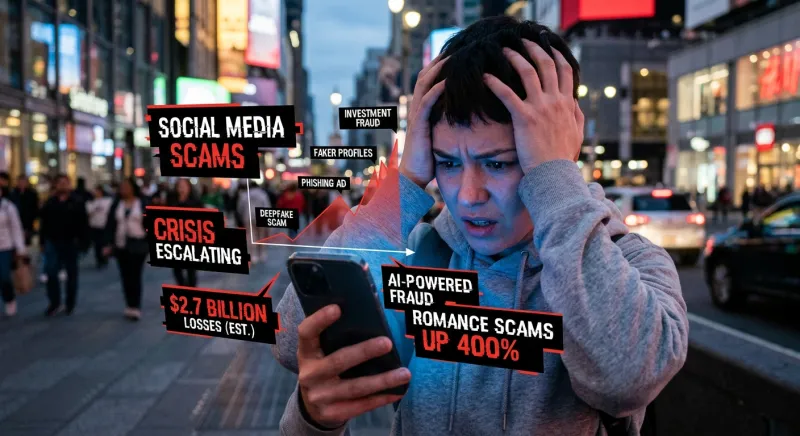
Navigating the Escalating Crisis of Social Media Scams
In the early 2000s, social media was heralded as the great equalizer—a digital town square where h... Read More

Protecting Your Plans: Don't Let Scammers Wreck Your Summer or Big Night Out
The sun is shining, the days are getting longer, and thoughts naturally turn to eagerly anticipated ... Read More

When the Office Door Isn’t Real: Scams in the Hybrid Era
Hybrid work offers flexibility, but it also opens new doors for scammers. This article uncovers the ... Read More
Top Posts

Predictive Bidding and Conversational Ads: The Next Evolution in Search Engine Marketing
Discover how predictive bidding engines and conversational ad strategies are transforming SEM, blending AI precision with human creativity for better results....Read More

The Sensory Shift: Elevating SaaS Branding Beyond the Visual
Discover why SaaS brands are moving past logos to incorporate audio cues, tactile feedback, and even scent, crafting multisensory experiences that drive loyalty...Read More

Embedding Safety Deep Into SaaS Product DNA
A practical guide that shows why safety must be a core DNA of SaaS products, offering frameworks, metrics, and leadership habits to protect users, data, and dis...Read More

Greening SaaS: Practical Steps for Sustainable Cloud Services
A deep dive into actionable strategies for SaaS providers to reduce their carbon footprint, from selecting renewable‑powered data centers to writing lean code...Read More
0 Comments
Post Comment
You will need to Login or Register to comment on this post!