
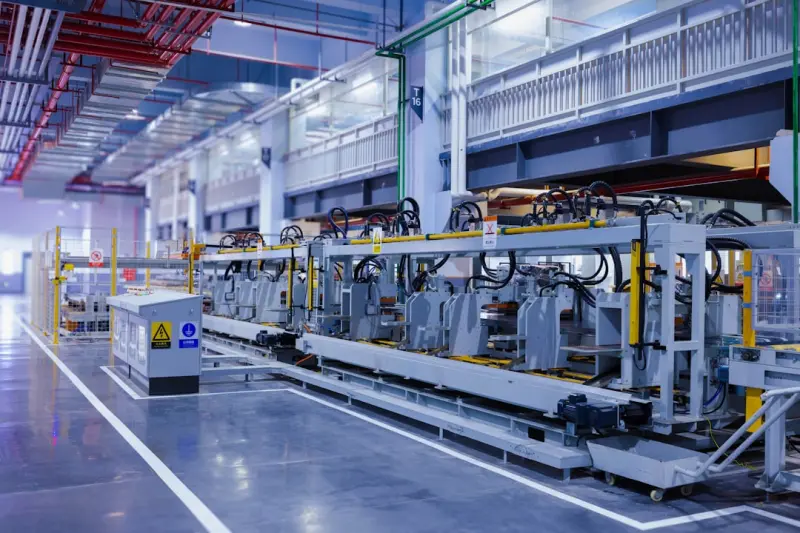
Why Modularity Is the Quiet Game‑Changer in Industrial Equipment
When I first walked the shop floor of a midsized plant in the Midwest, the sheer mass of its machines was awe‑inspiring. Giant presses, towering conveyors, and hulking CNC mills dominated the space like steel monoliths. Yet, beneath that impressive façade lay a persistent source of frustration: every time a process changed, the entire line needed a costly, time‑consuming overhaul. I’ve spent the last decade helping manufacturers wrestle with that very dilemma, and the answer keeps resurfacing—modular design. Not a buzzword, but a strategic framework that lets equipment evolve as fast as the market demands.
The Problem With Monolithic Machines
Traditional industrial equipment is often engineered as a single, inseparable unit. That approach makes sense on paper—design, testing, and certification can be streamlined when you treat a machine as a whole. In practice, however, it creates three major pain points:
- Rigid change cycles. Introducing a new product variant or tweaking a tolerance frequently means rewiring wiring, retrofitting hydraulics, or even swapping out entire machines.
- Capital lock‑in. A $2 million press is a sunk cost until the next major upgrade, which may be several years away. The longer the lock‑in, the harder it is to justify incremental investments.
- Environmental impact. When a component fails, you often replace the whole assembly, generating waste and extending the plant’s carbon footprint.
These issues aren’t just operational; they ripple through the supply chain, the balance sheet, and even the company culture. Engineers feel stifled, managers see inflated OPEX, and sustainability officers cringe at the waste.
Modular Design: What It Really Means
Modularity isn’t simply “breaking a machine into smaller parts.” It’s a disciplined approach that defines interfaces, standardized connections, and plug‑and‑play capabilities from day one. Think of a smartphone: the camera, battery, and processor can be swapped or upgraded without redesigning the whole device. In the industrial realm, that translates to:
- Mechanical modules. Standardized frames, motor mounts, and tooling plates that can be reconfigured on the fly.
- Electrical & data modules. Hot‑swappable I/O racks, edge‑computing nodes, and plug‑in sensor suites that speak a common protocol.
- Software modules. Containerized control logic and digital twins that can be redeployed without rewriting the entire PLC program.
By treating each of these layers as interchangeable building blocks, you create a product ecosystem that can be expanded, repaired, or repurposed with minimal disruption.
Benefits: Flexibility, Cost, Sustainability
When you replace monolithic thinking with modular thinking, the advantages cascade across the organization. Below are the three pillars that matter most to today’s manufacturers.
- Flexibility. Need a new stamping die for a limited‑run prototype? Snap it in, re‑calibrate, and you’re back in production within days instead of weeks.
- Cost efficiency. Instead of purchasing a brand‑new line for each product family, you invest in a core platform and add or replace modules as needed. This dramatically lowers total cost of ownership (TCO).
- Sustainability. Modular components extend equipment lifespans, reduce scrap, and enable easier recycling. When a motor reaches the end of its life, you replace the motor module, not the whole machine.
These outcomes aren’t theoretical. Companies that have adopted modularity report up to a 30 % reduction in change‑over time and a 20 % dip in capital expenditures over a three‑year horizon.
Real‑World Examples From the Field
Let’s look at three distinct sectors where modularity is already delivering measurable gains.
Automotive Fasteners Production
A European fastener manufacturer retrofitted its high‑speed stamping line with a smart industrial products backbone. Instead of a single, purpose‑built press, they installed a modular frame that accepts interchangeable tooling modules. When a new alloy entered the market, the tooling module was swapped in under two hours, cutting what used to be a 10‑day re‑tooling cycle to a single shift.
Pharmaceutical Packaging
A pharma firm needed to comply with a new regulatory requirement for blister packs. By deploying a modular cartoning system with interchangeable vision‑inspection modules, they avoided a full‑line shutdown. The vision module—essentially a plug‑in camera and AI algorithm—was installed, calibrated, and validated in less than 48 hours, keeping the production schedule intact.
Metal Fabrication for Renewable Energy
In the wind‑turbine sector, a fabricator uses a modular CNC milling platform. The machine’s spindle, coolant, and control cabinets are all hot‑swappable. When a client requested a new blade geometry, the spindle module was upgraded to a higher‑torque version, and the control software was swapped via a containerized package, all without halting the rest of the line.
Implementing Modularity: A Step‑by‑Step Playbook
Transitioning from monolithic to modular isn’t a “flip‑the‑switch” moment. It requires a deliberate roadmap. Here’s a practical guide I’ve refined through workshops and pilot projects.
- Map the current architecture. Document every mechanical, electrical, and software interface. Identify bottlenecks where a single failure forces a line shutdown.
- Define standard interfaces. Adopt industry‑wide standards where possible (e.g., EtherCat for motion, OPC UA for data). Where standards don’t exist, create internal specifications that are repeatable and documented.
- Start with a pilot module. Choose a low‑risk subsystem—perhaps a feeder or a sensor array—and redesign it as a modular unit. Validate the concept before scaling.
- Build a modular core platform. This is the “chassis” that all modules will plug into. It should be robust, future‑proof, and support hot‑swapping.
- Develop a digital twin. Use the twin to simulate module swaps, predict performance impacts, and train operators before any physical change.
- Train the workforce. Operators need to understand the new plug‑and‑play mindset. Provide hands‑on labs that let them swap modules in a sandbox environment.
- Iterate and refine. Collect data on change‑over times, failure rates, and cost savings. Use that feedback to tighten interface specifications and expand the module library.
Throughout this journey, a cloud‑enabled control system can serve as the nervous system, ensuring each module talks to the others in real time, no matter where it sits physically.
Overcoming Common Misconceptions
Every transformation meets resistance. Below are the myths that often trip up decision‑makers, and why they don’t hold up under scrutiny.
- “Modular equipment is less reliable.” In reality, reliability can improve because a faulty module is isolated and replaced quickly, reducing mean‑time‑to‑repair (MTTR).
- “Standardization kills innovation.” Standard interfaces free engineers to innovate on the module level. Think of how the smartphone ecosystem exploded once a universal charging port was adopted.
- “The upfront cost is prohibitive.” While the initial platform may be higher than a single‑purpose machine, the long‑term ROI—through reduced downtime, lower capital spend, and extended equipment life—far outweighs that initial outlay.
- “Our processes are too unique for a modular approach.” Even highly specialized processes benefit from modular sub‑systems (e.g., modular tooling, interchangeable sensor suites).
Future Outlook: From Modular to Adaptive Ecosystems
Modularity is the foundation, but the next frontier is an adaptive ecosystem. Imagine a plant where modules not only swap physically but also reconfigure their software on the fly, guided by AI that predicts demand spikes, material shortages, or equipment wear. In such a scenario, a change‑over isn’t a manual event; it’s an autonomous decision executed in minutes.
Key technologies that will enable this vision include:
- Edge AI. Real‑time analytics at the module level can trigger self‑optimizing actions.
- Digital twins integrated with enterprise resource planning (ERP). This creates a closed loop between production planning and equipment configuration.
- Standardized data models. When every module speaks the same language, orchestration across the plant becomes frictionless.
Companies that start building modular platforms today will find themselves ready to plug into these emerging capabilities without a massive re‑engineered overhaul.
How This Connects With the Broader Digital Shift
The industrial sector is undergoing a digital renaissance—sensors, analytics, and cloud platforms are redefining what “machine” means. Modularity acts as the physical counterpart to that digital transformation. When you combine a modular hardware framework with cloud‑based orchestration (the same principle behind the AI‑driven multi‑cloud orchestration strategies we see in software), you get a resilient, scalable system that can evolve as fast as market conditions demand.
In practical terms, this means a plant can:
- Deploy a new production module overnight, while the cloud platform updates the control logic automatically.
- Monitor the health of each module in real time, predicting failures before they happen.
- Scale capacity up or down by adding or removing modules, aligning capital expenditure directly with revenue streams.
The synergy between modular hardware and digital services is where the true competitive advantage lives. It’s not about buying the newest sensor; it’s about designing equipment that can absorb those sensors without a complete redesign.
Conclusion: Embrace the Modular Mindset
If you’re still standing on a monolithic foundation, you’re likely feeling the strain of longer lead times, higher costs, and mounting sustainability pressure. Modularity offers a pragmatic path forward—one that respects the realities of heavy‑duty engineering while unlocking the agility that modern markets demand. Start small, think in interfaces, and let the ecosystem you build become the platform for tomorrow’s digital innovations. The future of industrial equipment isn’t a single, massive machine; it’s a collection of smart, interchangeable parts that work together seamlessly, today and tomorrow.

Karen Edwards is a seasoned freelance writer with a passion for all things furry, feathered, and scaled. With a dedicated focus on pets, she brings a wealth of knowledge and a keen eye for detail to her writing.
Related Posts
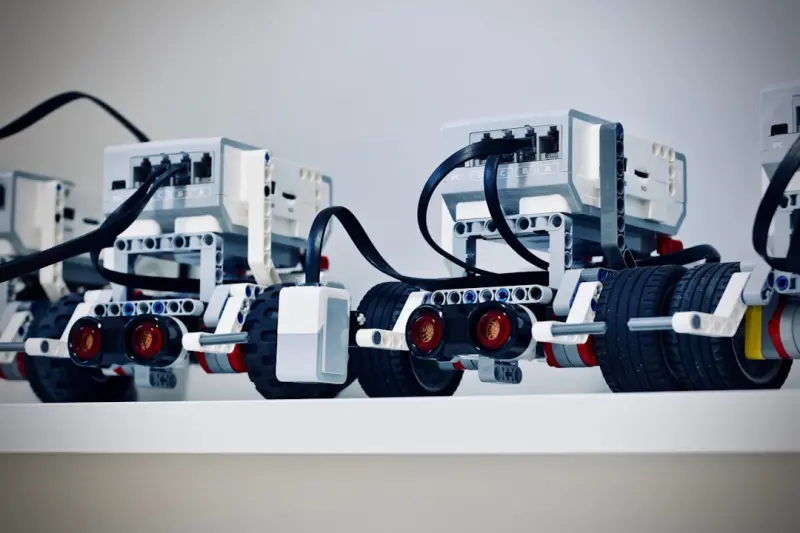
Industrial Innovation: Modular Robotics, Sustainable Alloys, IoT Maintenance, and Circular Supply Chains
Jessica Gills dives into the latest industrial trends—modular robots, bio‑based alloys, smart Io... Read More
Edge AI: Turning Industrial Products Into Intelligent Partners
Edge AI is reshaping the industrial landscape by embedding intelligence directly into machinery, ena... Read More
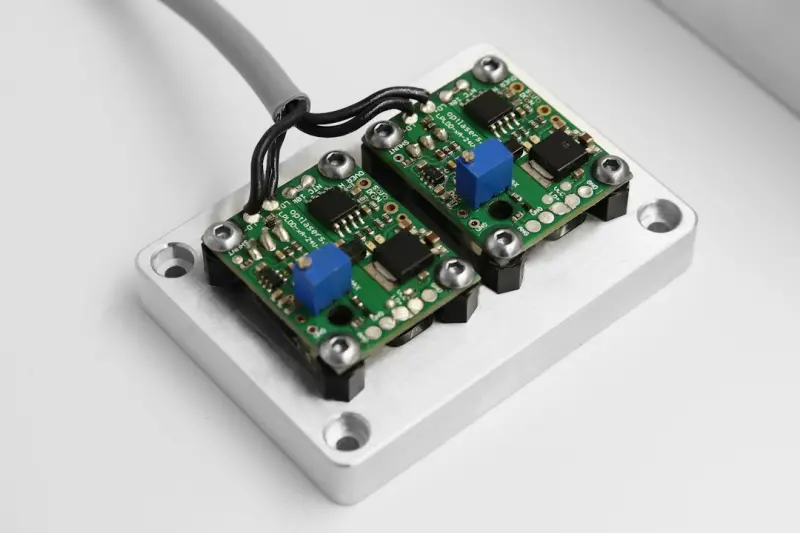
Smart Sensors and Edge AI: The New Backbone of Modern Industrial Operations
Smart sensors paired with edge AI are redefining industrial products, delivering predictive maintena... Read More
Top Posts

How Side Projects Can Fast‑Track Your SaaS Career
Side projects are more than hobbies—they're strategic tools that let SaaS professionals showcase impact, build complementary skill stacks, and gain visibility...Read More
Transform Your Home into a Wellness Oasis with Simple Improvements
Learn how to turn everyday rooms into health‑boosting spaces using light, air, sound, and biophilic design—simple, affordable upgrades that make your home a...Read More

When Neighborhoods Go Digital: Re‑imagining Community in a Connected World
A deep dive into the rise of purpose‑driven micro‑communities, how privacy‑first technology fuels trust, and why hybrid rituals are the new backbone of mo...Read More

The Untapped Potential of Search Intent Clustering
Explore a fresh SEO methodology that groups user intent at scale, leverages data pipelines, and builds resilient content hubs for long‑term visibility....Read More
0 Comments
Post Comment
You will need to Login or Register to comment on this post!