
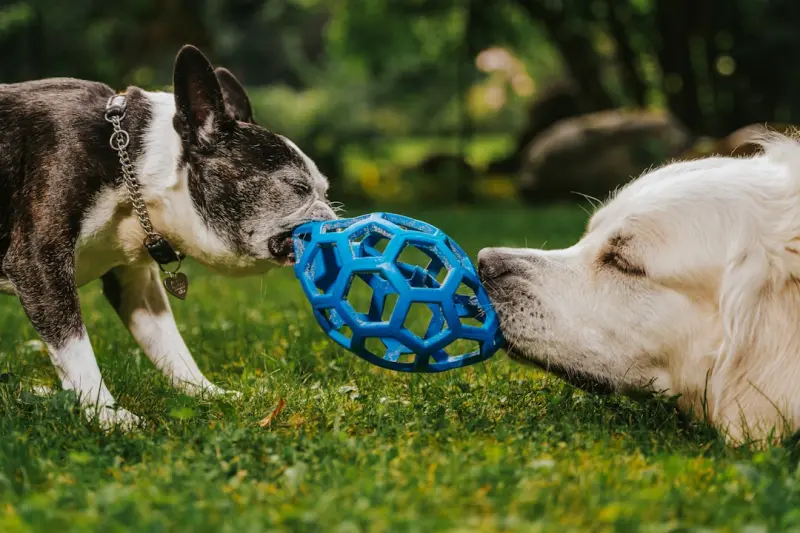
Why Structured Play Is the Missing Link in Your Pet’s Happiness Equation
When I first adopted my rescue husky, Milo, I thought I had the whole package figured out: food, vet visits, and the occasional walk. I quickly discovered that mental stimulation is just as critical as physical exercise. While a brisk jog satisfies Milo’s need for movement, it does little for his problem‑solving muscles. That realization sparked a personal experiment that turned into a habit: structured play sessions. Over the past two years, I’ve refined a play framework that not only sharpens my dog’s cognition but also lifts my own mood and productivity. If you’re a pet parent who feels guilty about “just winging” playtime, keep reading. This guide will show you how to design purposeful play that benefits both you and your furry companion.
The Science Behind Play
Play is not a frivolous pastime. In the wild, canids, felines, and many other species engage in complex games that teach hunting tactics, social hierarchies, and environmental awareness. Modern research confirms that play triggers the release of dopamine and oxytocin—the brain’s feel‑good chemicals—creating a neurochemical loop that reinforces learning and bonding.
- Dopamine fuels curiosity and motivates your pet to explore new challenges.
- Oxytocin strengthens the emotional connection between you and your pet, reducing stress for both parties.
- Regular mental challenges have been linked to a slower cognitive decline in senior dogs and cats.
In short, structured play is a biological upgrade for your pet’s brain, and a morale boost for you.
From Random Tosses to Purposeful Sessions
Many pet owners default to “throw the ball, fetch, repeat.” While this is fun, it’s often low‑effort for the animal’s mind. To transition to structured play, follow these three steps:
- Define a Goal – Decide what you want to achieve: problem‑solving, impulse control, or simply a calming ritual.
- Choose the Right Toy – Pick tools that match the goal. Puzzle feeders, interactive lasers, and treat‑dispensing toys all have unique cognitive demands.
- Set a Time Frame – Keep sessions short (5‑15 minutes) but consistent. This prevents mental fatigue and maintains enthusiasm.
When you approach play with intention, each session becomes a mini‑workshop for your pet’s brain.
Designing a Play Curriculum
Think of your pet’s playtime like a curriculum you’d design for a child—or even a software development sprint. Below is a sample four‑week rotation that gradually ramps up difficulty. Feel free to swap activities based on your pet’s species, age, and preferences.
Week 1 – Foundations: Sensory Exploration
Goal: Boost confidence and curiosity.
- Texture Hunt: Hide a variety of fabrics (silk, corduroy, fleece) around a safe room. Let your pet sniff and discover each texture.
- Sound Cue: Use a soft whistle or a clicker to signal “search.” Pair the cue with a treat reward when your pet locates a hidden toy.
Tip: Pair these activities with gentle background music to create a calm atmosphere. The Ambient Sound for Calm Environments article explains how low‑frequency tones can reduce anxiety in both humans and animals.
Week 2 – Problem Solving: Puzzle Toys
Goal: Teach patience and cause‑effect reasoning.
- Sliding Puzzle: A wooden board with compartments that slide to reveal hidden treats.
- Ball Maze: A clear tube with a rolling ball that releases kibble once it reaches the end.
Start with the easiest configuration, then progressively lock more compartments. Celebrate every successful attempt with enthusiastic praise and a treat.
Week 3 – Impulse Control: “Stay‑And‑Release” Games
Goal: Strengthen self‑regulation.
- Leave It: Place a tempting toy on the floor, say “Leave it,” and wait for your pet to look away before rewarding.
- Wait for Release: Hold a treat in your hand, ask for a sit, then only release the treat once your pet remains still for three seconds.
These drills mirror the discipline training you might read about in Four‑Legged Co‑Founder, but they focus on the pet’s internal control rather than the owner’s workflow.
Week 4 – Advanced Integration: Multi‑Step Challenges
Goal: Combine sensory, problem‑solving, and impulse control.
- Treasure Hunt: Hide a treat inside a small box, place the box inside a larger container, and cover the container with a blanket. Your pet must uncover each layer to access the prize.
- Command Chain: Sequence three commands (sit, down, stay) before allowing a fetch round. Each successful command earns a point toward a final reward.
By the end of week four, you’ll notice a shift: your pet approaches new challenges with confidence, and you’ll feel a deeper sense of partnership.
Measuring Success: What to Look For
Progress isn’t always measured in trophies; subtle cues matter.
- Engagement Time: Is your pet lingering longer on puzzles instead of giving up?
- Stress Signals: Notice if tail wagging, relaxed ears, and soft eyes replace rapid panting or pacing.
- Owner Mood: Do you feel lighter after a session? The dopamine surge from successful play is contagious.
If you see improvements in any of these areas, you’ve hit the sweet spot.
Integrating Play Into a Busy Lifestyle
Life is hectic. Between Zoom calls, project deadlines, and household chores, finding a dedicated 15‑minute block can feel impossible. Here’s how to weave play into existing routines:
- Morning Warm‑Up: Pair the first coffee of the day with a quick “Find the Treat” game.
- Midday Reset: During your lunch break, set a timer for a short puzzle session. It refreshes both you and your pet.
- Evening Wind‑Down: After work, replace scrolling on your phone with a calming “Leave It” drill.
These micro‑sessions add up, creating a cumulative mental workout that rivals a full‑hour gym class—for your pet.
Choosing the Right Tools
Investing in quality toys can make a world of difference. Here are my top three picks (all vetted for durability and safety):
- KONG Classic – A sturdy rubber chew toy that can be stuffed with peanut butter or kibble for extended engagement.
- Outward Hound Puzzle Cube – Modular compartments that slide, rotate, and pop open.
- Petcube Play – An interactive camera that lets you toss treats remotely, perfect for owners who travel.
When selecting a toy, consider the material, size, and noise level. A noisy toy might be counterproductive in an apartment building, while a silent puzzle could be ideal for a shared living space.
Addressing Common Pitfalls
Even the best‑intentioned owners stumble. Below are frequent mistakes and how to avoid them.
- Overcomplicating the Game: If a puzzle frustrates your pet, they’ll quit. Start simple, then increase difficulty.
- Inconsistent Schedule: Skipping sessions can cause a regression in learned behaviors. Aim for at least three structured playtimes per week.
- Reward Overuse: Too many treats can lead to weight gain. Balance food rewards with verbal praise and affection.
Beyond Dogs: Cats, Rabbits, and Small Pets
Structured play isn’t exclusive to canines. Here’s a quick adaptation guide for other companions.
Cats
Use feather wands, laser pointers, and cardboard mazes. Cats thrive on hunt‑and‑pounce sequences that mimic natural predation.
Rabbits
Introduce tunnels, foraging boxes, and chew toys made of untreated wood. Rabbits love to dig and explore, so hide leafy greens in a safe, supervised area.
Small Rodents
Build miniature obstacle courses using PVC pipes and safe plastics. Treats can be hidden in chew‑proof tubes to stimulate problem‑solving.
The underlying principle remains the same: a clear objective, appropriate tools, and a consistent schedule.
Conclusion: Play as a Partnership
Structured play is a two‑way street. Your pet receives mental enrichment, and you gain a calmer, more focused companion who actively participates in your daily rhythm. By treating play as a purposeful activity rather than an afterthought, you’ll unlock a level of connection that feels less like ownership and more like partnership. The next time you reach for a ball, pause and ask yourself: “What’s the learning goal here?” If you answer that honestly, you’re already on the path to a happier home.

Laura Wilson is a freelance writer specializing in the dynamic and ever-evolving field of health. With a passion for translating complex medical information into accessible and engaging content, Laura brings a wealth of knowledge and a fresh perspective to topics ranging from preventative care and nutrition to cutting-edge research and innovative treatments.
Related Posts

From Shelter to Studio: How Rescue Pets Ignite Creativity in Remote Work
Adopting a rescue pet can do more than bring joy—it can supercharge your creative process. Learn p... Read More

Pet‑Powered Sprint: How My Furry Friends Teach Me Faster, Smarter Living
Learn how Luna’s lightning pounces and Milo’s enthusiastic fetches reveal a sprint mindset that ... Read More

Pet‑Friendly Home Offices: Boosting Productivity and Happiness
A practical guide to designing a home office that welcomes your pets, featuring smart gadgets, ergon... Read More
Top Posts

AI‑Powered Strategies to Future‑Proof Your Search Engine Marketing
Explore AI‑driven keyword clustering, predictive bidding, and conversational ads to future‑proof your SEM campaigns while maintaining transparency and user ...Read More

Embracing the Digital Nomad Lifestyle: How Technology is Changing the Way We Travel
The digital nomad lifestyle is changing the way we travel and work. With technology, you can stay connected and productive from anywhere. Learn how to embrace t...Read More

The Modern Love Playbook: How to Build a Relationship That Thrives in a Fast‑Changing World
Jody Henderson shares a fresh, bold roadmap for love—mixing communication hacks, boundary setting, and playful rituals to keep modern relationships thriving....Read More

Betting on Skill: How Interactive Wagering Is Redefining the Gambling Landscape
A deep dive into the rise of skill‑based betting, data‑driven insights, and responsible design that together are transforming the gambling industry into a m...Read More
0 Comments
Post Comment
You will need to Login or Register to comment on this post!