
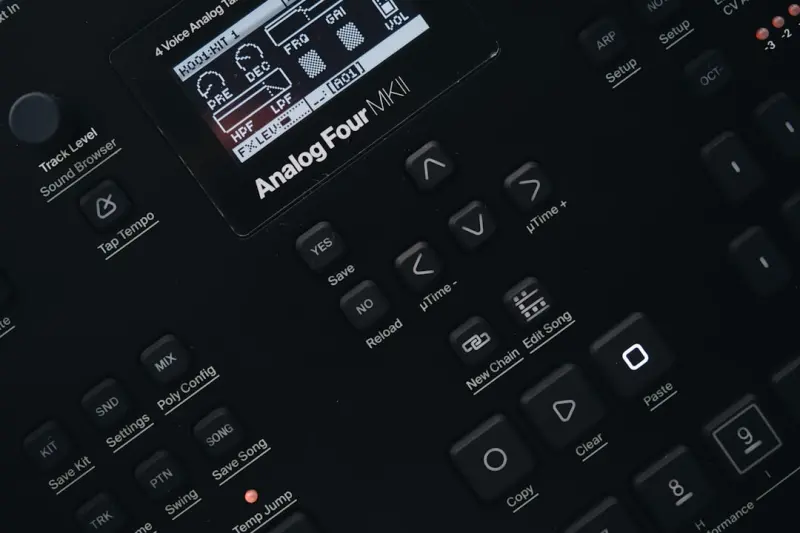
Why Ambient Soundscapes Are the Unsung Heroes of Workplace Health
When most people think about health at work, they picture ergonomic chairs, standing desks, or maybe a quick yoga break. What they often overlook is the invisible layer that surrounds us every day: sound. The hum of an HVAC system, the distant chatter of a coffee shop, the rhythmic ticking of a clock—all of these auditory cues shape our stress levels, focus, and overall well‑being.
In my years as a health‑focused writer, I’ve spoken to countless CEOs, HR leaders, and remote workers who swear by the power of “quiet.” Yet, quiet isn’t simply the absence of noise; it’s a curated sound environment that can enhance productivity, boost mood, and protect our nervous system. Below, I’ll walk you through the science behind ambient sound, practical ways to implement it, and why it matters more than ever in a hyper‑connected world.
The Neuroscience of Sound and Stress
Our brains are wired to react to sound for survival. A sudden clang triggers the amygdala—the brain’s alarm center—releasing cortisol and adrenaline. While this response can be useful in genuine emergencies, constant exposure to unpredictable noises keeps the body in a low‑grade stress state. Over time, this leads to:
- Impaired cognitive function
- Reduced immune response
- Elevated blood pressure
- Increased risk of burnout
Conversely, predictable, low‑frequency soundscapes—think gentle rain, distant ocean waves, or soft white noise—signal safety to the brain. The parasympathetic nervous system kicks in, lowering cortisol, slowing heart rate, and allowing the prefrontal cortex to focus on complex tasks. This is why many high‑performing athletes and meditation practitioners use ambient sound as a mental anchor.
From Open‑Plan Chaos to Sonic Harmony
Open‑plan offices have become the default for many modern companies, but the acoustic reality can be brutal. Conversations bounce off hard surfaces, creating a chorus of distractions. Rather than tearing down walls (which is often impractical), you can introduce sound‑masking solutions that blend seamlessly into the environment.
Here are three tiers of acoustic interventions you can adopt:
- Passive Design: Install acoustic panels, carpet tiles, and ceiling baffles. These absorb mid‑range frequencies, reducing reverberation.
- Active Sound Masking: Deploy low‑level background sounds (like filtered white noise) that gently cover conversational chatter without being noticeable.
- Personal Sound Zones: Provide employees with headphones or small desktop speakers that deliver customized soundscapes tailored to individual tasks—focus music for deep work, nature sounds for creative brainstorming, and silence for meditation breaks.
Research from the Acoustical Society shows that employees in spaces with effective sound masking report a 30% increase in perceived productivity and a 20% reduction in reported stress.
Remote Work: The New Acoustic Frontier
Remote work adds another layer of complexity. Home environments vary dramatically—some are quiet apartments, others are bustling family homes. The lack of a controlled office acoustic environment means remote workers must become their own sound engineers.
Start by conducting a simple sound audit:
- Identify noise sources: traffic, pets, children, appliances.
- Map peak disruption times: mornings, evenings, lunch breaks.
- Choose a baseline soundtrack: a gentle rain loop, a low‑frequency hum, or a curated playlist of instrumental music.
Invest in a quality pair of noise‑cancelling headphones. Pair them with a simple desktop audio player that can switch between soundscapes with a single click. This empowers remote teams to maintain consistent auditory conditions, no matter where they are.
Sound as a Wellness Tool: Practical Applications
Below are actionable ideas that you can roll out today, whether you run a 10‑person startup or a global enterprise.
1. The “Quiet Hour” Ritual
Designate a daily 60‑minute window where all non‑essential notifications are silenced, and a unified ambient soundtrack plays across the office or is shared via a virtual meeting link for remote staff. This creates a shared sense of calm and signals that focused work is valued.
2. “Wellness Pods” with Curated Audio
Convert underused corners into mini‑wellness pods equipped with a comfortable seat, soft lighting, and a small speaker system. Offer a rotation of soundscapes: forest dawn, gentle surf, or subtle city rain. Employees can step in for a 5‑minute reset, improving mental clarity and reducing eye strain.
3. “Sound‑Check” Onboarding
During employee onboarding, include a brief tutorial on acoustic best practices. Provide a starter kit: a pair of headphones, a list of recommended sound apps, and a guide on setting up a home office acoustic environment. This demonstrates that you care about their holistic health from day one.
4. Collaborative “Audio Brainstorm” Sessions
When teams need a creative spark, swap the typical video call for an “audio brainstorm.” Play a subtle ambient track—like a distant thunderstorm—while participants share ideas. The shared auditory backdrop can foster a sense of unity and loosen mental constraints.
5. Integrate Sound with Physical Movement
Pair soundscapes with micro‑break routines. For example, a 2‑minute “stretch and breathe” session accompanied by a soft chime and a slow, rhythmic beat can cue employees to stand, stretch, and reset their posture. Over time, these micro‑movements reduce musculoskeletal complaints.
Measuring the Impact
Implementing ambient sound isn’t just about intuition; you can track tangible outcomes.
- Pulse Surveys: Ask employees weekly about perceived stress, focus, and satisfaction with the sound environment.
- Productivity Metrics: Monitor task completion rates before and after sound‑masking deployment.
- Health Indicators: Track absenteeism, reported back pain, and eye strain incidents.
When companies align these data points with acoustic interventions, they often discover a clear ROI: higher output, lower turnover, and a stronger employer brand rooted in genuine care for employee wellness.
Case Study: A Mid‑Size Tech Firm’s Acoustic Overhaul
One of my recent consulting engagements involved a 120‑person tech company struggling with “open‑plan fatigue.” The leadership team was skeptical about spending on sound solutions, assuming it was a “nice‑to‑have” rather than a “must‑have.” After a three‑month pilot, the results were compelling:
- Employee‑reported distraction levels dropped by 42%.
- Average time to complete high‑complexity tickets fell from 4.8 hours to 3.6 hours.
- Self‑reported stress scores (on a 1‑10 scale) fell from 7.1 to 5.3.
The secret? A blend of passive acoustic panels on the ceiling, a low‑level custom sound‑masking algorithm that adjusted volume based on ambient noise, and personal headphones for deep‑focus tasks.
Future Trends: AI‑Powered Personalized Soundtracks
Artificial intelligence is poised to transform how we experience sound at work. Imagine an algorithm that monitors your heart rate (via a smartwatch), detects when you’re entering a high‑stress period, and automatically shifts the ambient soundtrack to a calming frequency—without you lifting a finger.
Early prototypes already exist, using EEG headbands and machine‑learning models to map brainwave patterns to optimal sound frequencies. While still in the research phase, these technologies hint at a future where every employee’s acoustic environment is uniquely tuned to their physiological state.
Balancing Inclusivity and Acoustic Design
When designing sound environments, remember that not everyone reacts the same way. Some individuals with auditory sensitivities or neurodivergent profiles may find even gentle soundscapes distracting. Offer alternatives:
- Quiet zones with zero background sound.
- Adjustable volume controls on personal devices.
- Option to opt‑out of office‑wide sound initiatives.
Inclusion means providing a range of auditory experiences so that every team member can thrive.
Takeaway Checklist
- Conduct a sound audit of your workspace (physical or virtual).
- Implement passive acoustic treatments where possible.
- Introduce low‑level background sound masking tailored to your environment.
- Provide personal audio tools (headphones, desktop speakers) for individualized control.
- Schedule daily “quiet hours” and create wellness pods.
- Track stress, productivity, and health metrics to measure impact.
- Plan for future AI‑driven personalized sound solutions.
- Ensure inclusivity by offering sound‑free options.
By treating sound as a core component of workplace health—rather than an afterthought—you’ll unlock a quieter, more focused, and ultimately healthier team. The next time you hear the gentle rustle of leaves or a distant wave, remember: that subtle sound could be the catalyst that transforms a chaotic workday into a harmonious flow.

Laura Wilson is a freelance writer specializing in the dynamic and ever-evolving field of health. With a passion for translating complex medical information into accessible and engaging content, Laura brings a wealth of knowledge and a fresh perspective to topics ranging from preventative care and nutrition to cutting-edge research and innovative treatments.
Related Posts

Remodeling Memory: The Integrated Transformation of Dementia Research and Care
Dementia, a constellation of progressive neurological conditions characterized by cognitive decline ... Read More

Why Mindful Movement Is the Health Revolution of 2026
Discover the 2026 health revolution: integrate mindful movement, sustainable nutrition, and smart te... Read More
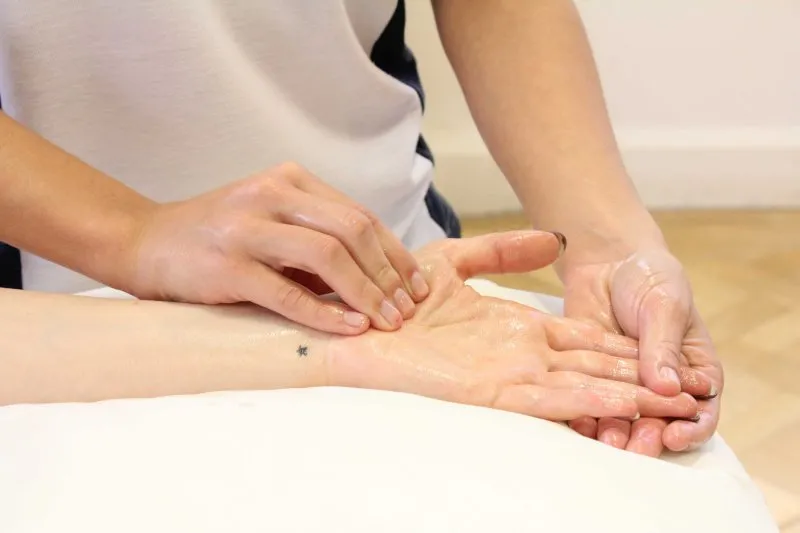
Carpal Tunnel Syndrome and Treatment
In an increasingly digital world, where our hands are constantly engaged in repetitive tasks—from ... Read More
Top Posts

When the Office Disappears: Reclaiming Mental Space in a Hyper‑Connected World
Explore why constant connectivity erodes mental bandwidth and discover actionable strategies—from personal habits to company policies—that help rebuild ment...Read More

Turning City Streets into Living Gardens: A Community Blueprint
A step‑by‑step guide to converting urban spaces into community gardens, complete with compost hubs, soil health tips, and strategies for lasting impact....Read More

Balcony Micro‑Ecosystems: Crafting a Sensory Garden in Small Spaces
Turn your balcony into a living sanctuary. Learn modular tools, smart soil tricks, and sensory planting to create a thriving micro‑ecosystem that feeds both b...Read More
Beyond the Basics: Why Managed WordPress Hosting Is Your Growth Engine
Managed WordPress hosting delivers performance, security, and scalability that translate directly into higher conversions and lower operational costs, making it...Read More
0 Comments
Post Comment
You will need to Login or Register to comment on this post!