
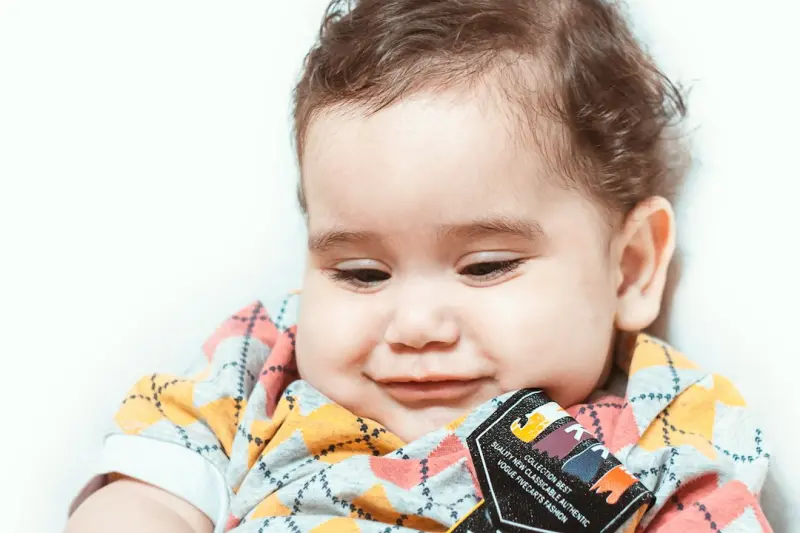
Why Baby Wearables Are the Next Parenting Game‑Changer
When I first held my newborn, the flood of emotions was matched only by the avalanche of questions: Is she feeding enough? Is she sleeping soundly? Is her temperature stable? In the past decade, technology has quietly stepped into the nursery, offering tools that turn these gut‑level concerns into measurable data. Smart baby wearables—soft bands, clip‑on sensors, and intelligent onesies—are no longer a futuristic gimmick. They’re becoming a practical part of daily parenting, giving caregivers a calm confidence that was once reserved for the intensive care unit.
From “Just Guess” to “Data‑Driven” Parenting
Traditional baby care relied on intuition and occasional check‑ups. While intuition is valuable, it’s limited by human perception—especially when a baby is silent, still, and seemingly content. Wearables change that paradigm by providing real‑time physiological insights that can be viewed on a parent’s phone or smartwatch. A simple glance can reveal heart rate, respiration, temperature, and even subtle movement patterns that indicate sleep cycles.
These devices are designed with the infant’s delicate skin in mind. Most use medical‑grade, hypoallergenic silicone or breathable fabrics that stay snug without restricting movement. Battery life now stretches to a full week, and many models incorporate energy‑harvesting technologies that recharge with the baby’s natural motions.
Metrics That Matter: What Parents Should Watch
- Heart Rate Variability (HRV): Fluctuations in heart rate can signal stress or comfort levels. Consistently low HRV may prompt a pediatrician visit.
- Respiratory Rate: Early detection of irregular breathing patterns can be crucial for conditions like apnea.
- Skin Temperature: A sudden dip or spike can indicate fever, hypothermia, or the need to adjust room climate.
- Sleep Architecture: Wearables map deep versus light sleep, helping parents fine‑tune nap schedules.
- Activity Levels: Gentle movement data can highlight periods of fussiness or over‑stimulation.
When these data points converge, they form a holistic picture of a baby’s well‑being. Parents can set customizable alerts—like a notification when temperature exceeds a safe threshold—so they can act before a minor issue escalates.
Choosing the Right Device for Your Family
Not every wearable suits every family. Here are three criteria to keep front‑and‑center during the selection process:
- Safety Certifications: Look for FDA‑cleared or CE‑marked devices that meet pediatric safety standards.
- Data Integration: A wearable that syncs seamlessly with your existing health ecosystem (Apple Health, Google Fit, or a dedicated app) reduces friction.
- Privacy Controls: Verify that the manufacturer employs end‑to‑end encryption and offers clear data‑retention policies.
Brands are increasingly transparent, publishing white‑papers on how they handle data. A quick scan of the privacy policy can save you from future headaches.
Balancing Data with Intuition
While the numbers are empowering, they should complement—not replace—your parental instincts. A low temperature reading may prompt you to add a swaddle, but if the baby is smiling and feeding well, you’ll know it’s a harmless variance. The goal is to use technology as a second set of eyes, not a substitute for the love and observation that only a parent can provide.
Data Privacy and Security: A Non‑Negotiable
Infant health data is among the most sensitive information a family can generate. When evaluating a wearable, ask these questions:
- Is the data stored locally on the device or in the cloud?
- Who has access to the data, and under what circumstances?
- Can you export or delete your child’s data at will?
Many reputable manufacturers now adopt a “privacy‑by‑design” framework, meaning encryption is baked into the hardware, and no third‑party analytics are sold without explicit consent.
Integrating Wearables into Everyday Parenting
One of the biggest challenges is ensuring the device becomes a seamless part of routine rather than an additional task. Here are practical ways to embed wearables into daily life:
- Morning Check‑In: As you change the diaper, glance at the app for overnight trends. This quick habit reinforces data literacy.
- Feeding Correlation: Log feeding times in the same app; many platforms automatically correlate nutrition with heart‑rate spikes, helping you fine‑tune portions.
- Room Climate Sync: Some wearables integrate with smart thermostats. If the temperature rises above a set point, the thermostat adjusts automatically—creating a eco‑friendly home routine that keeps the nursery comfortable.
- Work‑Life Overlap: For parents juggling remote work, the wearable’s alerts can be routed to a discreet smartwatch vibration, ensuring you stay responsive without breaking focus. This mirrors the lessons from balancing work and baby time, but adds a data‑driven safety net.
Future Trends: What’s on the Horizon?
The next wave of baby wearables will likely incorporate:
- AI‑Powered Predictive Alerts: Machine learning models that forecast potential health concerns based on longitudinal data.
- Multimodal Sensors: Devices that can monitor blood oxygen levels, hydration, and even vocalizations for early language milestone tracking.
- Interoperability with Pediatric EMRs: Direct, secure feeds into your child’s electronic medical record, reducing manual entry for clinicians.
- Environmental Sensing: Integration with air‑quality monitors to alert parents when allergens or pollutants spike in the nursery.
These advances will further blur the line between home care and clinical insight, empowering parents to act with the same confidence a doctor might have in a hospital setting.
Practical Tips to Get Started Today
- Start Small: Choose a single‑parameter device—like a temperature‑monitoring band—and get comfortable with the data flow before adding more complexity.
- Set Realistic Alerts: Over‑alerting can cause anxiety. Begin with critical thresholds (fever, irregular breathing) and expand as you gain trust in the system.
- Combine with holistic wellness strategies: Pair data insights with calming bedtime routines, gentle lighting, and white‑noise to enhance sleep quality.
- Engage Your Pediatrician: Share anonymized data during appointments. Many clinicians are eager to incorporate wearable trends into their assessments.
- Review Data Monthly: Look for patterns rather than isolated incidents. Trends can reveal subtle changes in health that might otherwise go unnoticed.
Conclusion: Embrace the Data, Trust the Bond
Smart baby wearables are not about turning infants into walking data points; they’re about giving parents a trustworthy companion on the journey of early childhood. When used thoughtfully, these devices can reduce anxiety, improve health outcomes, and free mental bandwidth for the moments that truly matter—those tiny smiles, first giggles, and the simple joy of holding a sleeping baby.
As technology continues to mature, the partnership between parent intuition and data‑driven insight will become the new standard for nurturing the next generation. By adopting wearables responsibly, you’re not just buying a gadget—you’re investing in peace of mind, safety, and a deeper connection with your child.

Dale Peterson is a freelance writer with a passion for technology, travel, law and personal finance. With 10 years of experience crafting compelling and informative content, he's dedicated to delivering high-quality writing for Blogging Fusion that engages audiences and achieves specific goals.
Related Posts

Parenting: Raising Bold, Curious Babies and Toddlers
Explore a fresh, approach to baby and toddler parenting. From milestone revolutions to tech‑balanc... Read More
Why Baby Sign Language Is the Secret Weapon for Modern Parents
Signing with your baby transforms frustration into connection, cutting tantrums and fostering early ... Read More

The Nutritional Blueprint: Identifying Top Baby Formulas for Immune System Support
The foundational period of infancy is a time of rapid immunological development. While human breast ... Read More
Top Posts

AI‑Curated Shopping: The Busy Professional’s New Best Friend
AI‑curated shopping assistants act as digital concierges for busy professionals, using contextual data and real‑time personalization to eliminate decision f...Read More

The Ultimate Guide to LinkedIn Ads and Dimensions
In the bustling digital landscape, where attention is a fiercely competed commodity, LinkedIn stands out as a unique and powerful advertising platform. Unlike c...Read More

How To Choose A Geomembrane Liner & How To Find A Supplier
Geomembrane liners are resistant liners that used for various different containment applications. They are used in various different industries, including oil a...Read More
Inclusive Mobile Apps: Boost Business with Accessibility
Accessibility isn’t just a legal requirement—it’s a strategic growth engine. Learn how designing inclusive mobile experiences expands your market, improve...Read More
0 Comments
Post Comment
You will need to Login or Register to comment on this post!