
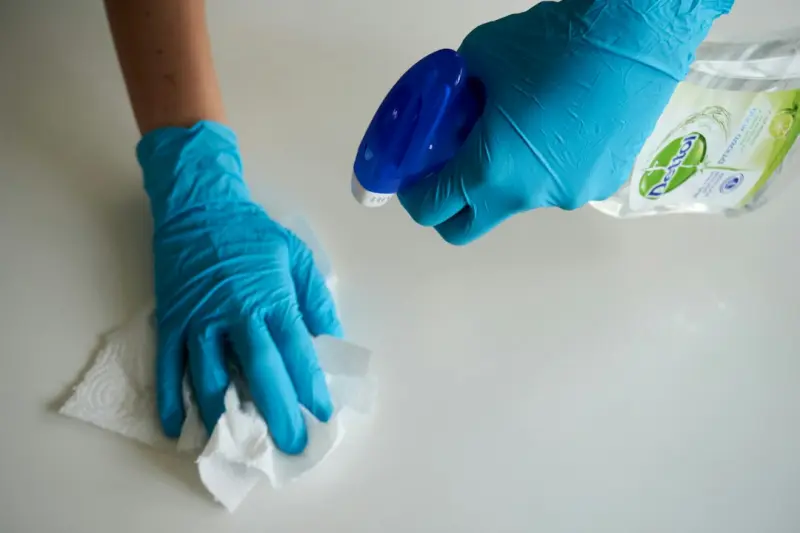
Why Eco‑Cleaning Deserves a Seat at the Kitchen Table
When I first swapped my chemical‑laden spray bottle for a simple mixture of vinegar and citrus zest, I expected a modest reduction in the “toxic” label on my pantry. What I didn’t anticipate was the cascade of benefits that rippled through my home, health, and even my wallet. Eco‑cleaning isn’t a trendy side‑project; it’s a strategic, science‑backed overhaul of the way we treat the surfaces we touch every day.
The Hidden Chemistry Behind Green Surfactants
Most conventional cleaners rely on petro‑derived surfactants that break down into micro‑plastics, linger in waterways, and contribute to the growing problem of aquatic pollution. Green surfactants, by contrast, are harvested from renewable plant sources—think coconut oil, sugarcane, or even fermented corn starch. Their molecular structure still carries the same “oil‑loving” tail that lifts grime, but the head is built from biodegradable sugars that dissolve harmlessly.
What makes this shift truly compelling is the critical micelle concentration (CMC). Green surfactants often have a lower CMC, meaning you need less product to achieve the same cleaning power. Less product translates to reduced packaging, lower transport emissions, and a smaller carbon footprint per clean.
Enzyme Powerhouses: Nature’s Own Stain Fighters
If surfactants are the bouncers at the cleaning club, enzymes are the backstage crew that dismantle the toughest stains at the molecular level. Proteases chew through protein‑based messes (think egg, blood, or dairy), while lipases target greasy residues. Amylases break down carbohydrate stains like coffee or sauce splatters.
The beauty of enzymatic cleaners lies in their specificity. They operate at near‑ambient temperatures, meaning you can wash fabrics in cold water without sacrificing performance—a direct win for energy consumption. Moreover, enzymes are derived from microorganisms that thrive on waste streams, reinforcing the circular economy loop.
From Bottle to Bin: Rethinking Packaging Through Circular Design
Even the most eco‑friendly formula can be undermined by wasteful packaging. Circular design asks a simple question: “What happens after the product is used?” The answer is a reusable, refillable system. Think stainless‑steel or high‑density polyethylene (HDPE) containers that can be topped off from bulk dispensers or concentrated refills.
Companies that adopt a closed‑loop model not only cut down on single‑use plastics but also create a recurring revenue stream—customers return for refills, fostering brand loyalty while reducing landfill pressure. It’s a win‑win that aligns perfectly with the growing consumer demand for transparency and responsibility.
DIY Lab: Formulating Your Own Cleaners
There’s an undeniable empowerment that comes from mixing your own cleaners. Below is a starter kit that balances effectiveness, safety, and sustainability:
- Base: Distilled water (the universal solvent).
- Acidic Component: White vinegar (5% acetic acid) for mineral deposits and mild disinfecting.
- Alkaline Boost: Baking soda for neutralizing odors and gentle scrubbing.
- Surfactant: A few drops of liquid castile soap (plant‑based).
- Fragrance: Citrus zest or essential oils (optional, for sensory appeal).
- Enzyme Boost: A tablespoon of powdered laundry detergent that contains protease (ensure it’s enzyme‑based, not bleach‑based).
Combine in a spray bottle, shake, and you have a multi‑surface cleaner that tackles grime, cuts odors, and remains biodegradable. The flexibility of this formula lets you tweak pH levels for specific tasks—add more vinegar for bathroom tiles, or increase baking soda for kitchen grease.
Tech Meets Towel: Smart Sensors for Eco‑Cleaning
While the core of eco‑cleaning is chemistry, technology can amplify its impact. Imagine a sensor‑embedded mop that measures the concentration of organic residue in real time, sending a gentle reminder to rinse the pad before it reaches saturation. Or a smartphone‑driven sustainability app that logs each cleaning session, calculates water savings, and suggests optimal product mixes based on the day’s tasks.
These modest digital nudges help households avoid over‑use of water and chemicals, turning good intentions into measurable outcomes. The data gathered can also feed into community dashboards, showcasing neighborhood-wide reductions in water usage—a powerful motivator for collective action.
Building Relationships with Green Brands
Eco‑cleaning doesn’t happen in isolation. It thrives when consumers, manufacturers, and retailers collaborate. One strategic approach is to build relationships with green brands that share transparent sourcing practices. By curating a “clean closet” of vetted products, you create a trusted ecosystem that reduces decision fatigue and encourages repeat purchases of sustainable options.
Partnerships can also unlock bulk‑discount programs for households, further lowering the cost barrier that often hinders adoption. The result is a virtuous cycle: higher demand drives more green product development, which in turn expands the market’s eco‑friendly offerings.
Putting It All Together: A Daily Eco‑Cleaning Routine
To cement these principles into habit, I follow a three‑step routine that balances efficiency with environmental stewardship:
- Morning Sweep: Use a microfiber mop with a diluted vinegar‑castile solution to capture dust and prevent indoor air pollutants from settling.
- Mid‑Day Spot Treatment: Apply a targeted enzyme spray on kitchen counters and bathroom sinks where protein and grease accumulate.
- Evening Reset: Run a final rinse with plain water, then wipe surfaces with a dry, reusable cloth to capture residual moisture—preventing mold growth and reducing the need for additional cleaning cycles.
This rhythm ensures that grime never gets a foothold, while the cumulative water and product savings become noticeable within weeks. The habit also reinforces the broader mindset: every action at home ripples outward, influencing the health of our planet.
Looking Ahead: The Future of Eco‑Cleaning
The next frontier will likely blend bio‑engineered microbes that consume stubborn pollutants with AI‑driven recommendation engines that personalize cleaning schedules based on household traffic patterns. As these innovations mature, the line between “cleaning” and “sustainability” will blur, delivering a seamless experience that feels less like a chore and more like stewardship.
Until then, the tools are already in our hands—plant‑based surfactants, enzymes, reusable containers, and a willingness to experiment. By embracing these, we turn everyday chores into powerful statements of care for the planet, our health, and the generations that will inherit the spaces we leave behind.

Robert Mathews is a professional content marketer and freelancer for many SEO agencies. In his spare time he likes to play video games, get outdoors and enjoy time with his family and friends . Read more about Robert Mathews here:
Related Posts
Eco-Cleaning: A Sustainable Approach to a Healthier Home
Eco-cleaning is a movement that's all about making conscious choices to create a healthier home and ... Read More
Zero‑Waste Cleaning Rituals: A Practical Guide for Conscious Households
Learn how to replace toxic cleaners with simple, refillable solutions, build a reusable cleaning kit... Read More

How Enzyme Cleaners are Redefining Sustainable Office Hygiene
Enzyme cleaners use natural catalysts to break down grime, offering a low‑impact alternative to ch... Read More
Top Posts
Dynamic Learning Paths: How SaaS Empowers Continuous Skill Growth
Traditional training is static; modern work demands fluid, data‑driven learning. This post reveals how SaaS enables dynamic learning paths, real‑time feedba...Read More

Leveling Up Life: How Gaming Shapes Our Everyday Mindset
Gaming isn’t just fun—it’s a hidden training ground for life skills. Learn how quests, analytics, and virtual teamwork can boost your mindset, productivit...Read More

Navigating the Ever-Changing Landscape of SEO: Strategies for Sustainable Success
Stay ahead of the curve in SEO with the latest strategies for sustainable success. Learn how to adapt to the ever-changing landscape of search engine optimizati...Read More

The Pet Revolution: How Technology is Changing the Way We Care for Our Furry Friends
The pet care industry is undergoing a significant revolution, driven by technological advancements and changing consumer behaviors. From smart feeders to virtua...Read More
0 Comments
Post Comment
You will need to Login or Register to comment on this post!