

Why Gaming Is More Than a Hobby
When I first picked up a controller, I thought I was just chasing high scores, but the strategic depth of modern games quickly revealed a hidden curriculum for life. Each level forces you to balance risk and reward, a skill that translates directly to budgeting your time and resources. The rush of solving a complex puzzle under pressure mirrors the thrill of meeting a tight deadline at work, and that adrenaline becomes a silent tutor.
The Narrative Engine: Crafting Personal Stories
Games today are storytelling powerhouses, letting players author their own arcs in sprawling worlds. I find myself borrowing narrative techniques from RPGs to structure my daily journal, turning mundane tasks into quests with clear objectives and memorable outcomes. By framing chores as side‑missions, I inject purpose into the routine, and the sense of progression fuels motivation. It’s a subtle but powerful way to rewrite the script of everyday life.
Community Building in Virtual Spaces
Online guilds and clans have taught me the art of collaboration without geography, a lesson that reshapes how I approach team projects. The trust earned by coordinating a raid translates into confidence when delegating tasks in a remote work setting. I’ve even seen my gaming friendships spill over into professional networks, proving that virtual bonds can be just as authentic as coffee‑shop meetups. Conversational communities become incubators for ideas you never imagined sharing.
Adaptive Learning: Skills That Evolve With Play
Every new title pushes me to learn fresh mechanics, whether it’s mastering a rhythm game’s timing or mastering a shooter’s map awareness. This constant adaptation sharpens my cognitive flexibility, a trait that’s invaluable when technology pivots unexpectedly. I’ve noticed my ability to pick up new software faster, simply because I’m accustomed to rapid skill acquisition in games. That mental elasticity is a silent competitive edge in any industry.
Data-Driven Decisions: The Gamer’s Analytics Mindset
Tracking in‑game metrics—kill‑death ratios, completion times, resource usage—has become second nature, turning raw data into actionable insight. I now apply that same analytical rigor to personal health, using fitness apps to monitor progress as if I were optimizing a character build. The habit of reviewing dashboards daily creates a feedback loop that encourages continuous improvement, whether you’re grinding for loot or chasing a fitness goal.
Monetization Mastery: Understanding Value Exchange
Microtransactions and battle passes teach nuanced lessons about perceived value and willingness to pay. I’ve taken those lessons to negotiate freelance contracts, framing deliverables as “premium upgrades” that justify higher rates. By presenting options as tiered packages, clients can self‑select the level that fits their budget, mirroring the choice architecture found in most modern storefronts. This approach reduces friction and boosts conversion rates for my services.
Resilience Through Failure: The Power of Reset
Every defeat in a game is a prompt to retry, analyze, and adapt—a loop that builds grit without the stigma of real‑world failure. I’ve internalized this mindset, treating setbacks at work as temporary checkpoints rather than dead ends. The ability to “respawn” mentally means I bounce back faster, and the lessons learned become part of my personal cheat code for future challenges.
Cross‑Platform Synergy: Leveraging Multiple Mediums
Switching between console, PC, and mobile platforms forces me to appreciate diverse interfaces and control schemes. This versatility has seeped into my workflow, encouraging me to experiment with new tools rather than sticking to a single ecosystem. Whether it’s using a tablet for quick sketches or a laptop for deep‑dive research, the habit of fluidly transitioning across devices maximizes productivity and keeps creativity fresh.
Future‑Ready Mindset: Embracing Emerging Tech
Virtual reality and AI‑driven NPCs are redefining immersion, and staying ahead of these trends keeps my skill set future‑proof. I recently explored a VR puzzle title that uses spatial reasoning, which surprisingly sharpened my ability to visualize complex data structures in my day job. By actively engaging with cutting‑edge gaming tech, I develop an intuition for how emerging technologies can be applied across industries, turning hobby into a strategic advantage.
Conclusion: Play With Purpose
Gaming isn’t just an escape; it’s a laboratory for personal development, community building, and strategic thinking. By treating each session as a micro‑experiment, I extract real‑world benefits that enhance my career, relationships, and mindset. So the next time you fire up a console, remember you’re not just playing—you’re leveling up your life.

Seth Samual is a name that's quickly becoming synonymous with compelling and insightful writing. As a freelance writer, Seth has carved a niche for himself by delivering high-quality content across a diverse range of subjects.
Related Posts

Top Gaming Keyboards and Mice to Take Your Game to the Next Level
The world of gaming has evolved significantly over the years, with advancements in technology and in... Read More
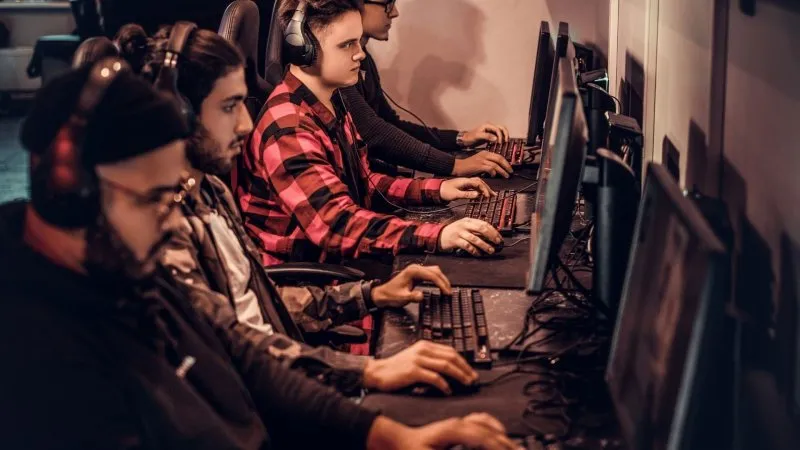
Top 3 Platforms For Gaming
The landscape of interactive entertainment has never been more vibrant, diverse, and technologically... Read More

The Social Surge: How Co‑Op Gaming Is Redefining Friendships
Discover how co‑op games, AI-driven worlds, and cross‑play are turning solo play into shared adv... Read More
Top Posts

Improving Product Engagement with 3D Viewer Plugins: A New Dimension for Digital Retail
In the relentless pursuit of customer attention and loyalty, businesses operating in the digital sphere face an ever-growing challenge: how to effectively conve...Read More
The Impact of Sustainable Living on Social Media Marketing
Sustainable living is driving demand for eco-friendly products and services, and social media marketers must adapt to this new reality by prioritizing authentic...Read More

Communication Problems that Lead to Customer Complaints
In the intricate dance between businesses and their clientele, communication is the choreographer, dictating the rhythm, flow, and ultimate success of the relat...Read More

Redefining Modern Love: Tech, Trust, and Sustainable Connection in 2026
In 2026, love blends digital tools with timeless intimacy. Discover how smart homes, sustainable shopping, and growth‑focused habits are redefining modern rel...Read More
0 Comments
Post Comment
You will need to Login or Register to comment on this post!