

Skill‑Based Gambling: When Arcade Meets the Casino Floor
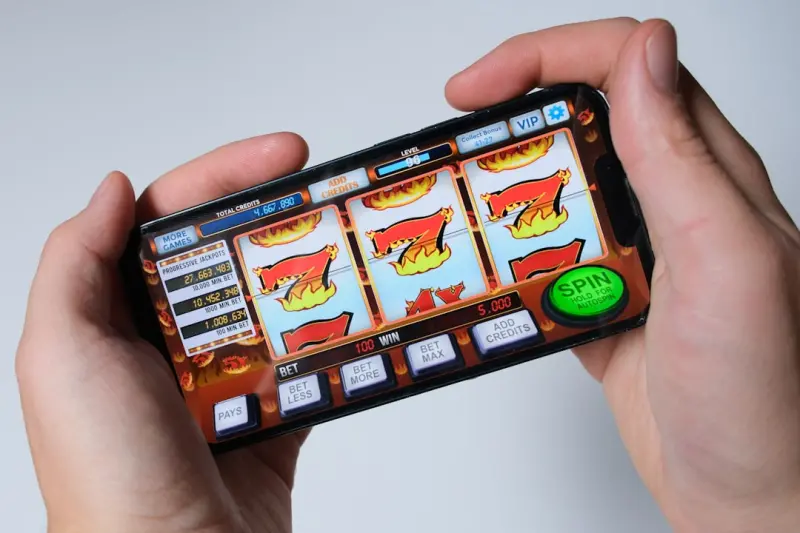
There’s a new buzz humming through the world of wagering, and it isn’t coming from the clatter of chips or the flash of neon signs. It’s the subtle, addictive rhythm of a video game controller. Skill‑based gambling—where the outcome hinges on a player’s ability rather than pure chance—is reshaping how we think about betting, and it’s doing so faster than most regulators, operators, and even seasoned gamblers expected.
From Slot Machines to Controllers: The Evolution of Player Expectations
Traditional casino games have long leaned on the allure of luck. The roulette wheel spins, the dice tumble, and the cards shuffle—all governed by probability. But today’s consumers grew up with a different kind of entertainment: fast‑paced, interactive digital experiences where mastery is rewarded. Millennials and Gen Z, in particular, demand agency. They want to feel that their decisions matter, that a well‑timed button press can tip the odds in their favor. This cultural shift is nudging operators to blend the thrill of gambling with the engagement of gaming.
The Mechanics Behind Skill‑Based Games
At the heart of skill‑based gambling lies a simple formula: skill + chance = hybrid experience. Unlike pure chance games, these titles incorporate measurable player performance—accuracy, reaction time, strategy—into the payout structure. Consider a digital shooting gallery where each bullseye earns bonus credits, or a racing simulator that awards multipliers for flawless laps. The gamble isn’t just “will the ball land in red?”, but “how well can I execute the challenge?”
Designers must walk a tightrope. Too much skill and the game skews toward a traditional esports model; too little, and it reverts to a conventional slot. Successful titles calibrate difficulty curves, integrate progressive jackpots, and use dynamic odds to keep both casual bettors and hardcore gamers intrigued.
Regulatory Tightrope: Navigating Legal Gray Areas
Blurring the line between gaming and gambling raises eyebrows at regulatory bodies worldwide. In many jurisdictions, a game is classified as gambling only if chance predominates. Skill‑based titles argue that because player performance directly influences outcomes, they should be treated like sports betting or esports tournaments.
Regulators are responding with nuanced frameworks. Some regions have introduced “hybrid” licenses, allowing operators to offer games that meet a predefined skill‑to‑chance ratio. Others are still drafting legislation, leading to a patchwork of rules that can be challenging for multinational operators to navigate. The legal debate is far from settled, but the momentum suggests that a clear regulatory path will eventually emerge—especially as the market’s economic potential becomes undeniable.
Economic Impact: Why Operators Can’t Ignore the Trend
Revenue projections for skill‑based gambling are compelling. According to industry analysts, hybrid games could generate up to 30% more average revenue per user (ARPU) compared to traditional slots, primarily because they encourage longer session times and repeat play. The interactive nature also opens doors for ancillary monetization: cosmetic upgrades, tournament entry fees, and in‑game sponsorships.
Moreover, these games attract a demographic that historically shunned casinos—young adults who view gambling as outdated or risky. By offering a skill component, operators tap into the competitive spirit of esports fans, turning a skeptical audience into loyal patrons.
Technology Stack: The Backend That Makes It All Possible
Behind the flashy graphics lies a sophisticated technology infrastructure. Real‑time data processing, low‑latency networking, and robust fraud detection are non‑negotiable. Operators often lean on cloud‑native architectures, leveraging microservices to handle everything from player authentication to dynamic odds calculation.
For those curious about how these modern platforms integrate with legacy casino systems, an insightful read is Why Low‑Code Is the Secret Weapon for SaaS Innovators. The article breaks down how low‑code environments accelerate the development of complex, compliance‑heavy applications—exactly the kind of ecosystem needed for skill‑based gambling platforms.
Player Retention Strategies: Beyond the Jackpot
Retention in skill‑based gambling isn’t just about big payouts; it’s about continuous engagement. Operators employ several tactics:
- Progressive leaderboards: Showcasing top performers fuels a competitive environment and encourages repeat play.
- Seasonal events and challenges: Limited‑time missions keep the experience fresh and create urgency.
- Personalized rewards: Using AI to tailor bonuses based on a player’s skill level and play style enhances perceived value.
- Social integration: Allowing players to form teams, chat, and share achievements taps into the community aspect that made video games viral.
These tactics mirror strategies used in the broader SaaS world, where customer success hinges on ongoing value delivery. For a deeper dive into data‑driven engagement, check out Semantic Authority: The New Engine for SaaS Blogs, which explores how contextual relevance can boost user loyalty—a principle that applies just as well to gambling platforms.
Case Study: The Rise of “Arcade Slots” in North America
One of the most notable successes is the rollout of “Arcade Slots” by a leading casino operator in the United States. These machines combine classic slot mechanics with short, skill‑based mini‑games—think timed target shooting or puzzle solving—between reel spins. The result? A 22% increase in average session length and a 15% rise in cross‑sell of high‑limit tables.
The operator attributes this growth to three core decisions:
- Data‑centric design: Continuous A/B testing refined difficulty levels to hit the sweet spot where players felt challenged but not frustrated.
- Seamless integration: Leveraging existing slot hardware with a lightweight software overlay minimized capital expenditure.
- Regulatory alignment: Working closely with state gaming commissions ensured the skill component met legal thresholds.
This model illustrates how the convergence of gaming and gambling can be a win‑win for both players seeking agency and operators chasing higher margins.
Future Outlook: What’s Next for Skill‑Based Gambling?
Looking ahead, several trends are poised to accelerate the skill‑based gambling wave:
- Augmented reality (AR) experiences: Imagine a casino floor where players use AR glasses to engage in interactive challenges that blend physical movement with digital rewards.
- Blockchain‑backed transparency: Smart contracts could verify that skill metrics are tamper‑proof, building trust among skeptical users.
- Cross‑platform ecosystems: From mobile phones to VR headsets, the same game could be accessed anywhere, creating a unified player profile that follows the user across devices.
As technology continues to erode the barriers between traditional gambling and interactive entertainment, operators that embrace skill‑based formats will likely dominate the next era of wagering.
Final Thoughts: A New Era of Player‑Centric Betting
Skill‑based gambling isn’t just a fleeting fad; it’s a fundamental shift in how we define risk, reward, and entertainment. By handing players more control over outcomes, the industry is aligning itself with the broader digital experience that modern consumers demand. For operators, regulators, and technology partners, the message is clear: adapt or be left behind. The casino floor of tomorrow will be as much about strategy and reflexes as it is about luck, and those who master this hybrid model will reap the biggest jackpots.

In the world of freelance writing, where creativity and adaptability are paramount, Michelle Fisher stands out as a dedicated and versatile professional. With a passion for crafting compelling narratives and a keen eye for detail, Michelle has established herself as a trusted voice.
Related Posts

Skill-Based Gaming: The New Frontier of Modern Gambling
A deep dive into the rise of skill‑based gambling, examining how interactive video‑game elements... Read More

The Quiet Revolution: How Blockchain Is Rewriting the Rules of Online Gambling
Blockchain is transforming online gambling by providing provable fairness, secure player wallets, an... Read More
Betting on Skill: How Interactive Wagering Is Redefining the Gambling Landscape
A deep dive into the rise of skill‑based betting, data‑driven insights, and responsible design t... Read More
Top Posts

The Interactive, Intent‑Driven Email Playbook for B2B Marketers
Email marketing is evolving from static blasts to interactive, behavior‑focused conversations. Discover a step‑by‑step playbook that leverages intent data...Read More

The Alarming Rise of Online Scams: A Threat to Mental Health
Online scams are a growing threat to mental health, causing emotional distress, anxiety, and depression. Learn how to prevent online scams and prioritize your m...Read More

The Power of TikTok: How to Leverage the Platform for Sustainable Growth
TikTok has taken the world by storm, with over a billion active users. Learn how to leverage the platform for sustainable growth, including tips on creating eng...Read More

Playful Futures: How Sustainable Materials and Smart Tech Are Redefining Toys
A deep dive into the emerging wave of eco‑friendly and AI‑powered toys, highlighting how sustainability and smart technology are transforming play experienc...Read More
0 Comments
Post Comment
You will need to Login or Register to comment on this post!