

Rethinking Shared Hosting: A Pragmatic Playbook for Growing Teams
When I first launched my freelance consultancy, the allure of a cheap shared hosting plan was almost magnetic. It promised “no‑frills” pricing, a simple control panel, and enough bandwidth to get my first portfolio site online. Six months later, after juggling a handful of client projects, I realized that the very simplicity I’d chased was quietly shaping the limits of my business. In this post, I’m pulling back the curtain on shared hosting—not as a relic of the past, but as a strategic foundation that, when understood and fine‑tuned, can support growth without forcing an early upgrade.
Why Shared Hosting Still Matters
Shared hosting is often dismissed as “only for hobbyists,” yet the reality is far more nuanced. For startups, NGOs, and even midsize firms with predictable traffic patterns, it offers a cost‑effective gateway to the web. The real power lies in the shared resources themselves: a pooled pool of CPU, RAM, and storage that can be leveraged efficiently when you understand the underlying mechanics. Think of it like a co‑working space for your website—you share the infrastructure, but you still retain the ability to carve out a niche for your brand.
The Hidden Trade‑offs You Don’t See on the Pricing Page
Every hosting advertisement highlights “unlimited” bandwidth or “unrestricted” email accounts, but there are subtle constraints that can bite later:
- Resource Throttling: Even if the plan advertises “unlimited,” providers often enforce soft limits on CPU cycles to prevent one site from hogging the server.
- Security Boundaries: While your files are isolated, a compromised site on the same server can sometimes be a vector for cross‑site attacks.
- Performance Variability: Your site’s speed can fluctuate based on the traffic spikes of neighboring accounts.
Knowing these nuances lets you set realistic expectations and build safeguards that keep your site humming even when the shared environment gets noisy.
Performance Hacks That Don’t Require a Dedicated Server
Before you start hunting for a dedicated server, try these low‑cost tweaks that squeeze extra speed out of a shared plan:
- Leverage a Content Delivery Network (CDN): Offloading static assets to edge nodes reduces the load on your shared server and dramatically improves page load times for global visitors.
- Implement Server‑Side Caching: Tools like WP Super Cache or Varnish (when supported) store rendered pages, cutting down on PHP execution and database queries.
- Optimize Images at Source: Use WebP format and compress images before upload; every kilobyte saved eases bandwidth usage.
- Minify CSS/JS: Removing whitespace and comments reduces file size without sacrificing functionality.
- Database Pruning: Regularly clean out post revisions, spam comments, and transient data to keep MySQL lean.
These steps are often enough to keep your site blazing fast on a modest plan, buying you time before a larger infrastructure is truly needed.
Security Practices That Respect the Shared Model
Shared hosting’s biggest reputation challenge is security. While providers implement baseline protections, you must bring your own armor. Here’s a checklist that aligns with best practices without demanding root access:
- Enable Zero Trust for WordPress concepts by using strong, unique passwords and two‑factor authentication for all admin accounts.
- Keep core software, themes, and plugins up to date; outdated code is the most common entry point.
- Install a reputable web‑application firewall (WAF) that operates at the application layer, such as Cloudflare’s free tier.
- Restrict file permissions to the minimum needed—typically 644 for files and 755 for directories.
- Schedule regular backups to an off‑site location; a snapshot can be a lifesaver if the shared environment suffers a breach.
When these measures are combined, the shared nature of your server becomes a manageable risk rather than a looming threat.
When to Consider a Hybrid Approach
One of the most strategic moves you can make is to blend shared hosting with complementary services. For example, you might keep the main website on a shared plan but migrate resource‑intensive functions—like video streaming or API endpoints—to a cloud‑based platform. This hybrid model retains the low cost of shared hosting while offloading heavy workloads to more scalable infrastructure.
In practice, I’ve seen teams pair a shared WordPress site with edge‑enabled cloud hosting for dynamic content delivery. The static pages stay on the shared server, while personalized, data‑driven sections are served from the edge, resulting in both speed and flexibility.
Cost‑Effective Scaling: The “Graceful Upgrade” Path
Scaling doesn’t have to be a dramatic jump from shared to dedicated overnight. Adopt a staged approach:
- Monitor Resource Usage: Use tools provided by your host or third‑party services to track CPU, memory, and I/O usage over a 30‑day window.
- Set Threshold Alerts: When you consistently hit 70‑80% of allocated resources, it’s a signal to investigate alternatives.
- Trial a Managed VPS: Many providers let you spin up a virtual private server for a few days at a reduced rate; test your workload before committing.
- Plan Migration During Low Traffic: Schedule any data transfers during off‑peak hours to minimize downtime.
- Retain the Shared Site for Light Content: Even after moving core services, keep a lightweight landing page or blog on the original shared plan to preserve the cheap URL and SEO equity.
This incremental path prevents budget shock and ensures you’re not over‑provisioning resources before they’re truly needed.
Eco‑Friendly Shared Hosting: A Green Choice You Might Overlook
Environmental impact is becoming a critical metric for many businesses. Shared hosting inherently reduces the carbon footprint per site by maximizing server utilization—multiple sites share the same hardware, which translates to fewer physical servers in data centers. To amplify this benefit, look for providers that power their infrastructure with renewable energy or participate in carbon offset programs. Choosing a “green” shared host aligns your brand with sustainability values without adding cost.
Real‑World Case Study: From Solo Blogger to SaaS Startup
Let me share a quick story. I started a niche analytics blog on a $3/month shared plan. Six months in, the traffic spiked after a viral LinkedIn post. Instead of scrambling for a new host, I applied the performance hacks outlined above, added a free CDN, and enabled server‑side caching. The site remained stable, and the monthly bill stayed under $10.
Two years later, I spun off a SaaS product that needed API endpoints. I kept the original blog on the shared plan, while the API was hosted on a lightweight API security‑focused micro‑service platform. This bifurcated setup let me maintain a low overhead while delivering a robust product experience.
Choosing the Right Provider: Questions to Ask
Not all shared hosts are created equal. When evaluating options, consider these criteria:
- Resource Allocation Transparency: Does the host disclose CPU and RAM limits per account?
- Uptime Guarantees: Look for a service level agreement (SLA) of at least 99.9%.
- Support Responsiveness: 24/7 live chat or phone support can be a lifesaver during traffic spikes.
- Backup Policies: Automatic daily backups stored off‑site are a must.
- Scalability Options: Can you seamlessly transition to a VPS or dedicated environment without a full site rebuild?
Asking these questions up front saves you from painful migrations later.
The Bottom Line: Shared Hosting Isn’t a Dead End
Shared hosting remains a viable, cost‑effective entry point for many digital ventures. By treating it as a flexible platform—optimizing performance, tightening security, and planning for incremental upgrades—you can extract maximum value while keeping the door open for future growth. The key is to stay proactive, monitor your resource footprints, and never assume that “shared” means “static.” With the right mindset and tools, shared hosting can be the sturdy launchpad that propels your business to the next level.

In the world of freelance writing, where creativity and adaptability are paramount, Michelle Fisher stands out as a dedicated and versatile professional. With a passion for crafting compelling narratives and a keen eye for detail, Michelle has established herself as a trusted voice.
Related Posts

Shared Hosting Secrets Every Creative Freelancer Should Know
Learn why shared hosting remains a powerful, cost‑effective foundation for creatives, with practic... Read More

Why Shared Hosting Still Matters in a Cloud‑First Era
Shared hosting isn’t a relic; with the right design patterns, it offers a low‑cost, secure launc... Read More
Shared Hosting Secrets: How to Grow Your Site Without Breaking the Bank
Learn how to select, protect, and scale a shared hosting plan for your growing website, using realâ€... Read More
Top Posts
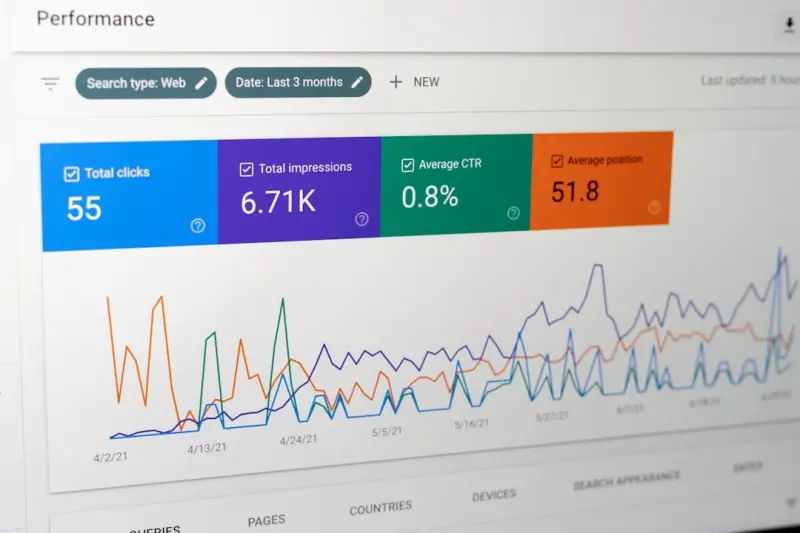
Bing SEO: Untapped Strategies for Enterprise Growth
Explore how to leverage Bing’s AI intent signals, visual search entities, and real‑time indexing API to dominate enterprise search and drive high‑intent l...Read More

The Importance of Chimney Repair for Home Safety and Efficiency
A chimney is an often-overlooked yet crucial component of a home's infrastructure. It serves as a vital pathway for exhaust gases and soot to escape from firepl...Read More

The Predictive Maintenance Wave: Extending the Life of Everyday Appliances
Explore the rise of predictive maintenance for household appliances, how sensors and AI prevent breakdowns, and practical steps to make your home smarter and mo...Read More

The Future of Conversational AI: How ChatGPT is Revolutionizing Human Interaction
ChatGPT is a game-changing technology that's enabling humans to interact with machines in more natural ways. Learn about its capabilities, applications, and the...Read More
0 Comments
Post Comment
You will need to Login or Register to comment on this post!