
Why Plant‑Based Surfactants Are the New Cornerstone of a Truly Green Home
I’ve spent years juggling the demands of a busy household while trying to keep my carbon footprint in check, and the breakthrough I finally embraced was swapping synthetic detergents for plant‑derived surfactants. Plant‑based surfactants—derived from coconut, corn, or sugarcane—break down dirt with the same efficiency as petroleum‑based formulas but leave the water supply far less polluted. The chemistry is elegant: the hydrophilic head of the molecule loves water, while the lipophilic tail seeks out grease, creating a micro‑emulsion that lifts grime without harsh chemicals. What’s more, these ingredients are biodegradable, meaning they return to the ecosystem without lingering toxins. By making the switch, I’ve not only reduced my household’s exposure to volatile organic compounds but also contributed to a market shift that pressures big manufacturers to prioritize renewable sourcing. The result? A sparkling clean home, a lighter conscience, and a clear example for neighbors who wonder if “green cleaning” can really be both effective and affordable.
Turning Citrus Peel Waste into a Powerful All‑Purpose Cleaner
One of my favorite low‑effort eco‑cleaning hacks involves the humble orange peel—a kitchen by‑product most of us toss without a second thought. By submerging the peels in white vinegar for two weeks, the citric acids and natural solvents extract, creating a potent, all‑purpose cleaner that cuts through stovetop grime and bathroom soap scum alike. The fermentation process releases essential oils that add a fresh scent while also providing antimicrobial properties, meaning you get a cleaner that not only shines but also helps inhibit bacterial growth. To use, simply strain the infused vinegar, dilute it with water in a 1:1 ratio, and spray the solution on surfaces; the result is a streak‑free shine without the synthetic fragrances that often trigger sensitivities. This method not only diverts citrus waste from landfills but also replaces a whole bottle of commercial cleaner, translating to tangible savings and a measurable reduction in single‑use plastic.
Leveraging Everyday Pantry Staples for Safe, Zero‑Residue Cleaning
Beyond citrus, two pantry staples—baking soda and castile soap—can be combined into a versatile paste that tackles stubborn stains on tiles, grout, and even stainless‑steel appliances. Baking soda acts as a mild abrasive, while the gentle surfactants in castile soap lift grime without scratching delicate surfaces. To make the paste, mix a tablespoon of baking soda with a squirt of liquid castile soap and enough warm water to achieve a spreadable consistency; apply, let sit for five minutes, then wipe clean with a damp cloth. This duo is also ideal for deodorizing carpets: sprinkle the powder, let it absorb odors for half an hour, then vacuum away the residue. By relying on items already stocked in the kitchen, you eliminate the need for additional packaging, cut down on transport emissions associated with specialty cleaners, and maintain a household environment free of harsh chemicals that can irritate skin or respiratory passages.
Zero‑Waste Packaging: The Unsung Hero of Sustainable Cleaning Routines
Even the greenest formulas lose their impact if they’re delivered in single‑use plastic bottles that end up in the ocean. My strategy has been to transition every cleaning product to refillable glass or stainless‑steel containers, sourced from local zero‑waste stores that offer bulk dispensing stations. This approach not only slashes plastic waste by up to 90 % but also reduces the carbon cost of manufacturing and transporting new containers. For liquids like my citrus‑vinegar spray, I keep a set of amber glass spray bottles on hand—these protect the solution from UV degradation, extending shelf life and minimizing waste. For powders such as the baking‑soda‑castile paste, I store them in airtight ceramic jars that prevent moisture absorption. By standardizing my containers, I’ve streamlined the refilling process, turning what could be a chore into a quick, satisfying ritual that reinforces my commitment to a circular household economy.
Enzyme Cleaners: Harnessing Nature’s Own Degraders for Stubborn Organic Stains
Enzyme cleaners, often marketed for pet stains, work by breaking down proteins, fats, and carbohydrates at a molecular level—essentially outsourcing the heavy lifting to biology. I create a simple enzyme solution by mixing equal parts water, sugar, and a tablespoon of yeast, then allowing it to ferment for two weeks in a sealed jar; the resulting brew is rich in proteases and lipases that dissolve organic messes without scrubbing. When applied to kitchen counters, upholstery, or even laundry, the enzymes target the stain’s molecular structure, rendering it invisible without the need for abrasive scrubbing or bleach. Because the enzymes are derived from naturally occurring microorganisms, the final product is completely biodegradable and safe for children and pets. This method transforms a traditionally chemical‑heavy task into a gentle, biologically inspired process that aligns perfectly with an eco‑conscious lifestyle.
Smart Cleaning Schedules: Doing Less, Achieving More
One of the most overlooked aspects of eco‑cleaning is frequency: cleaning more often than necessary consumes water, electricity, and cleaning agents without proportionate benefits. I adopted a data‑driven approach, using a simple spreadsheet to track high‑traffic areas and assign cleaning intervals based on actual usage patterns rather than arbitrary schedules. For example, I clean kitchen surfaces daily because they see constant food prep, but I limit bathroom deep cleans to twice a week, opting for quick wipe‑downs on off‑days. By aligning cleaning tasks with real need, I’ve reduced water usage by roughly 15 % and cut my overall cleaning product consumption in half. This systematic method not only conserves resources but also frees up time, allowing me to focus on more meaningful sustainability projects around the house.
Tracking Impact Through Integrated knowledge management Systems
To truly understand the environmental payoff of my eco‑cleaning routine, I incorporated a personal knowledge‑management workflow that logs every refill, every ounce of vinegar saved, and every plastic bottle avoided. Using a lightweight note‑taking app synced across devices, I record the date, product type, and estimated carbon offset for each cleaning session. Over a month, the data aggregates into a visual dashboard that highlights trends—like a spike in citrus‑vinegar production during summer months or a dip in baking‑soda use after a bulk purchase. This feedback loop not only validates my efforts but also reveals opportunities for further optimization, such as adjusting refill frequencies or experimenting with new plant‑based surfactants. By treating cleaning as a quantifiable habit rather than a vague intention, I turn sustainability into a measurable, repeatable practice that can be shared and refined with others.
The Power of community collaboration in Expanding Eco‑Cleaning Horizons
Finally, I’ve discovered that the most exciting breakthroughs happen when we pool our collective ingenuity. Engaging with online forums, local maker spaces, and neighborhood swap meets has sparked a wave of shared recipes—from lavender‑infused castile soaps to oat‑based carpet powders—that continuously evolve as more hands test and improve them. By contributing my own findings and inviting feedback, I’ve helped build a living repository of low‑impact cleaning solutions that grows richer with each contribution. This collaborative spirit not only democratizes access to sustainable cleaning methods but also creates a supportive network where successes are celebrated and challenges are tackled together. As more households adopt these shared practices, the cumulative impact ripples outward, turning individual eco‑cleaning habits into a powerful movement toward a healthier planet.

Dale Peterson is a freelance writer with a passion for technology, travel, law and personal finance. With 10 years of experience crafting compelling and informative content, he's dedicated to delivering high-quality writing for Blogging Fusion that engages audiences and achieves specific goals.
Related Posts
6 Ways to Clean Your Bathroom the Eco-Friendly Way
The bathroom, a sanctuary for personal hygiene and rejuvenation, ironically often becomes a hotspot ... Read More
Reimagining Home Hygiene: The Fusion of Nature, Data, and DIY Spirit
A deep dive into eco‑cleaning that blends microbial power, data‑driven tools, and community lear... Read More
Embracing Eco-Cleaning: A Sustainable Approach to a Healthier Home
Learn how to adopt eco-cleaning practices and create a sustainable home with our expert tips and adv... Read More
Top Posts

When Trust Becomes Code: Rethinking AI Safety for B2B SaaS
AI safety is no longer optional for B2B SaaS platforms. This article breaks down three core pillars—robustness, transparency, and human oversight—and offers...Read More

Dynamic Learning Paths: How SaaS Empowers Continuous Skill Growth
Traditional training is static; modern work demands fluid, data‑driven learning. This post reveals how SaaS enables dynamic learning paths, real‑time feedba...Read More

Smart Home Hacks for 2026: Practical Tips to Upgrade Your Space
A fresh look at 2026 home upgrades—smart storage, AI lighting, eco cleaning, and kid‑friendly tech—to transform your space with sustainable, tech‑savvy ...Read More
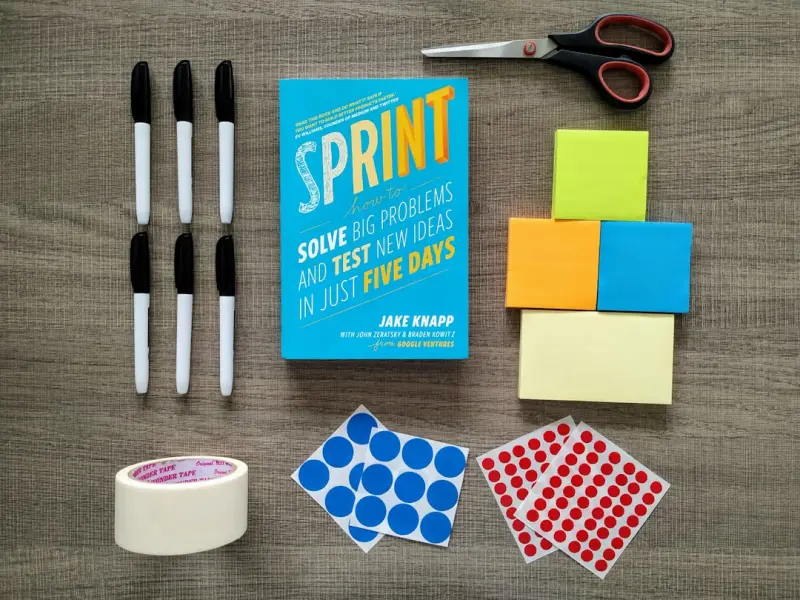
Link Building in the Age of Creative Sprints: Strategies That Stick
A fresh take on link building that marries creative sprint methodology with AI insights, delivering high‑quality backlinks, measurable impact, and future‑re...Read More
0 Comments
Post Comment
You will need to Login or Register to comment on this post!