
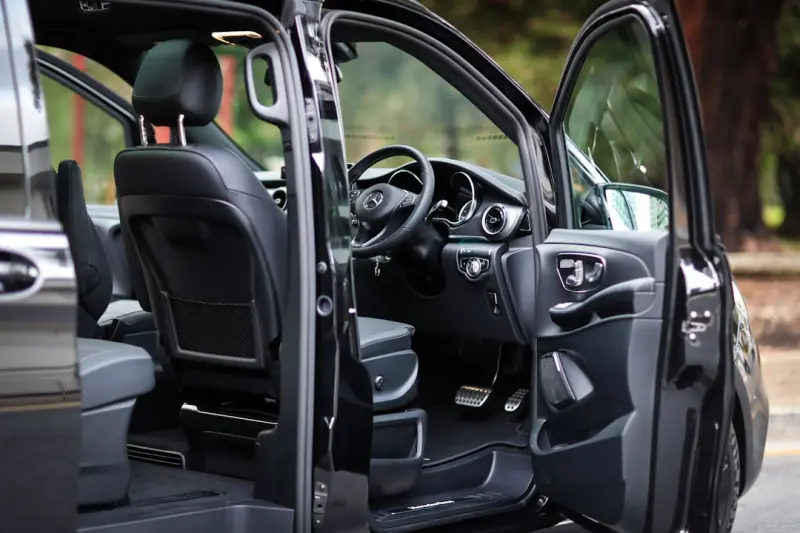
Why Drivers Are Craving Flexibility
In a world where the office can be a coffee shop, a park bench, or a balcony, the car is evolving from a static transport device into a dynamic extension of our daily habitats, and I’ve been watching that shift from the driver’s seat for years. Modern commuters no longer settle for a single‑purpose cabin; they demand a vehicle that can pivot between a focus‑filled workstation, a quick‑change gym, or a pop‑up lounge without missing a beat, and the pressure to deliver that adaptability is coming from both remote‑work culture and the growing desire for experiential travel. As someone who spends countless hours on the road chasing stories and interviews, I’ve learned that the ability to re‑configure my interior on the fly has become as essential as reliable fuel mileage, and it’s reshaping the very definition of what a “car” should feel like.
The Tangible Benefits of a Plug‑and‑Play Cabin
When you replace permanent fixtures with interchangeable modules, you unlock a cascade of practical advantages that ripple through every mile you travel, from maximized cargo space to ergonomic comfort tailored to the task at hand. Imagine swapping a desk tray for a yoga mat in seconds, or snapping a portable fridge into place for a weekend road‑trip pantry—each component is engineered for quick attachment, yet sturdy enough to endure daily vibration, and the payoff is a vehicle that feels personalized every time you step inside. This philosophy mirrors the insights shared in physical gadgets that supercharge creativity, because modular car interiors turn the vehicle itself into a toolbox, allowing drivers to curate their environment just as an artist selects brushes for a masterpiece.
Design Foundations: Snap‑Fit Frames and Magnetic Mounts
At the heart of any successful modular system lies a framework built on precision‑engineered snap‑fit rails, low‑profile tracks, and high‑strength magnetic couplings that guarantee both stability and effortless removal, and the materials chosen—lightweight aluminum alloys, reinforced polymers, and recycled composites—keep the added weight under control while preserving safety standards. The design language emphasizes clean lines and hidden latches so the interior retains a sleek, uncluttered aesthetic when modules are not in use, and integrated cable pathways ensure power and data connections remain secure, eliminating the dreaded tangle of cords that can turn a simple setup into a logistical nightmare. By focusing on these core engineering principles, manufacturers and DIY enthusiasts alike can create a cabin that feels bespoke without the bespoke price tag, delivering a seamless transition from work‑mode to leisure‑mode with a single click.
Everyday Scenarios: Office, Gym, and Guest Suite on Wheels
Picture pulling up to a client meeting with a compact laptop dock, a fold‑out ergonomic chair, and a noise‑cancelling panel that transforms the rear seat into a quiet conference room, all while the front seats remain available for a quick coffee stop; the same modular platform can then be re‑configured into a cardio zone with a magnetic bike trainer, resistance bands, and a heart‑rate monitor for a burst of fitness between appointments. For families, the modules can become a pop‑up bunk system that folds into the floor, providing a cozy sleeping area for kids on a cross‑country adventure without sacrificing passenger comfort, and the flexibility doesn’t stop there—travel enthusiasts can attach a portable grill, a solar‑powered fridge, or even a compact shower unit, turning the car into a mobile basecamp that adapts to the itinerary rather than the other way around. Each scenario underscores how a modular interior multiplies the utility of every square inch, making the vehicle a true multipurpose asset.
DIY Roadmap: Tools, Planning, and Budgeting
Embarking on a modular makeover begins with a realistic inventory of the tasks you want your car to support, followed by sketching a layout that respects weight distribution, safety restraints, and existing wiring harnesses, and from there you can prioritize which modules to build first based on cost‑effectiveness and immediate impact. Essential tools include a cordless impact driver, a set of metric Allen keys, a portable laser level for alignment, and a basic CNC router or hand‑held cutting tool for custom panels, while sourcing materials from automotive suppliers or recycled furniture can keep the budget under control and add a sustainability bonus. A phased approach—starting with a simple power strip and mounting bracket, then progressing to more complex items like a collapsible desk or integrated lighting system—allows you to test fit, gather feedback, and iterate without a massive upfront investment, and the satisfaction of seeing a self‑crafted module snap into place is a reward that fuels further creativity.
Powering the Modules: Kinetic Harvest and Smart Batteries
To truly liberate a modular interior, you need a reliable energy source that can sustain laptops, lights, and climate control without draining the main battery, and the answer lies in integrating kinetic harvesting technology that converts suspension motion and wheel rotation into usable electricity, a concept explored in depth by turning everyday motion into usable electricity. Coupled with a high‑capacity lithium‑iron‑phosphate battery pack and a smart energy‑management system, each module can draw exactly the power it needs, while excess generation is stored for later use or fed back into the vehicle’s CAN bus for efficiency tracking. The result is a self‑sufficient ecosystem where a modular workstation can run for hours on a single charge, a portable fridge stays cool during a weekend trip, and the driver enjoys peace of mind knowing that the car’s primary functions remain uncompromised.
Manufacturers’ Shift Toward Modular Platforms
Leading automakers are already testing plug‑in interior pods in concept vehicles, recognizing that the future of mobility hinges on personalization rather than one‑size‑fits‑all cabins, and this trend is being accelerated by subscription‑based services that deliver fresh modules on demand, allowing owners to swap a home‑office kit for a camping suite with a simple app request. These platforms leverage standardized mounting points and unified power interfaces, creating an ecosystem where third‑party developers can innovate new accessories, much like the app stores that transformed smartphones, and the business model promises recurring revenue streams for manufacturers while keeping drivers engaged with a constantly evolving interior. As the line between vehicle and living space blurs, the modular approach becomes a competitive differentiator, positioning brands that embrace it as pioneers in the next generation of mobile lifestyles.
Start Your Transformation Today
Whether you’re a freelance journalist chasing stories across the country, a fitness enthusiast looking to squeeze a workout between meetings, or a family craving flexible space for spontaneous road trips, the modular interior framework offers a tangible path to a more versatile driving experience, and the best part is that you don’t need to wait for a dealer to roll out a new model—you can begin with a few affordable components and let the system grow with your needs. Start by identifying one high‑impact module, source the necessary hardware, and experiment with placement; as you gain confidence, expand the collection, share your builds on community forums, and even contribute designs back to the growing open‑source library of automotive accessories. The road ahead is yours to shape, and with modularity as your guiding principle, every journey can become a tailored adventure that reflects who you are, not just where you’re going.

Brad Hays is a freelance writer known for his versatile skill set and ability to craft compelling content across a wide range of industries.
Related Posts

How to Pay Less on Your Automobile
Automobiles are an indispensable part of modern life for many, offering unparalleled freedom and con... Read More

Why Automotive Dash Cams Are Non-Negotiable for You and Your Insurance
In the contemporary automotive landscape, the complexity of traffic incidents, coupled with the pers... Read More
How To Find, Fund, and Care For Your Horsebox
For equestrian enthusiasts, a horsebox is more than just a vehicle; it's an indispensable tool that ... Read More
Top Posts

The Art of Building a Loyal Blog Audience
Building a loyal blog audience takes time and effort. Learn how to create engaging content, build a community, and drive engagement and sharing with these pract...Read More

Safeguarding Tomorrow: Practical AI Safety for SaaS Builders
A deep dive into how SaaS creators can turn AI safety from abstract theory into concrete product decisions, with real‑world playbooks, metrics, and a human‑...Read More

Reskilling and Upskilling: Your Indispensable Guide to Career Resilience in a Changing World
In a rapidly evolving job market, reskilling and upskilling are crucial for career resilience. This article, penned by Robert Mathews, provides an essential gui...Read More

Finding Solace in Nature: How Outdoor Recreation Can Improve Mental Health
Outdoor recreation can have a profound impact on our mental wellbeing. Learn how reconnecting with nature can reduce stress and anxiety, improve our mood, and l...Read More
0 Comments
Post Comment
You will need to Login or Register to comment on this post!