
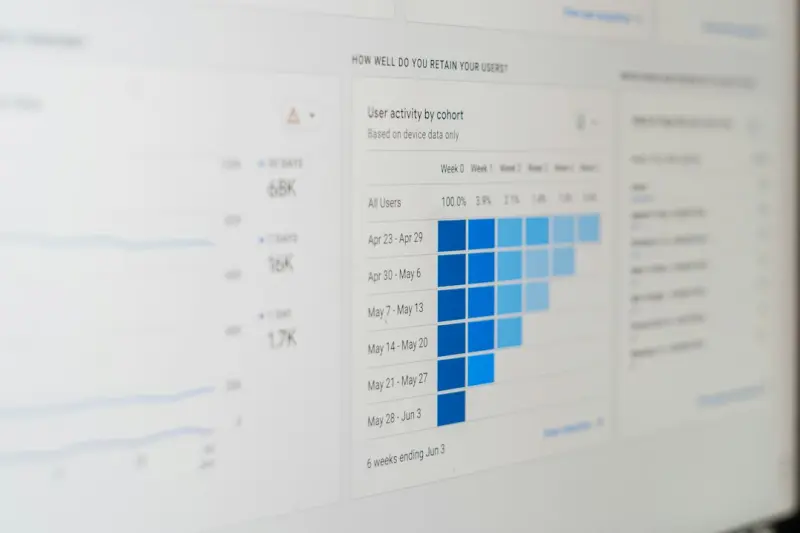
Why Search Intent Graphs Are the Missing Link in Modern SEO Strategies
When most marketers think about SEO they picture keyword research, backlink profiles, and the occasional algorithm update panic. What they often miss is the deeper structure that binds user queries together: the intent graph. Think of it as a living map of why people search, how those reasons intersect, and what they expect to find next. By visualizing and acting on this graph, you can move beyond “ranking for a keyword” to “delivering the exact knowledge pathway a user needs.”
From Linear Keywords to a Web of Intent
Traditional SEO tactics treat each keyword as an isolated island. You optimize a page, you get a rank, you wait for traffic. In reality, every query lives in a network of related intents. A user searching for “best project management software” isn’t just looking for a list; they may also be comparing pricing, evaluating integrations, or seeking case studies. Those adjacent intents form the edges of the graph.
By mapping those edges, you can:
- Identify gaps where a user’s journey stalls.
- Prioritize content that satisfies multiple intents simultaneously.
- Signal to search engines that you understand the full context, not just a single keyword phrase.
Building Your Intent Graph: A Step‑by‑Step Playbook
1. Harvest Real‑World Queries
Start with raw search data—Google Search Console, site search logs, and even internal CRM notes. Export every query that leads to your site, then clean and cluster them by semantic similarity. Tools that leverage natural language processing (NLP) can speed up this clustering, but a manual review ensures you capture industry‑specific nuances.
2. Tag Each Query With an Intent Layer
Every query falls into one of three broad intent categories: informational, navigational, or transactional. Dig deeper by adding sub‑layers such as “price comparison,” “how‑to implementation,” or “vendor evaluation.” This granular tagging creates the nodes of your graph.
3. Connect the Dots
Look for natural progression pathways. For instance, “project management best practices” often leads to “project management software comparison.” Draw directed edges that illustrate this flow. The result is a visual map—think of a mind‑map but powered by real search data.
4. Validate With User Behavior
Overlay the graph with on‑site analytics: bounce rates, scroll depth, and conversion funnels. If users drop off after a certain node, that’s a signal to strengthen the content or add a supporting resource.
5. Iterate and Expand
Search intent evolves. Schedule quarterly reviews to add new queries, retire dead edges, and re‑balance the graph. Over time, you’ll have a dynamic asset that grows with your audience.
Why This Matters for Revenue
When you align content with the natural intent flow, you reduce friction. A user who lands on a well‑crafted “software comparison” page after reading a “how‑to guide” is far more likely to convert than someone who lands on a generic product page without context. This alignment turns “search spend” into a revenue engine—the very principle behind Intent‑First Budgeting. By allocating budget to the nodes that drive the most valuable downstream actions, you get higher ROI without inflating ad spend.
Integrating Intent Graphs With Emerging Search Formats
Search isn’t limited to the classic SERP anymore. Voice assistants, AI chatbots, and conversational search ads are rewriting how users ask questions. These formats thrive on context; they don’t just answer “what” they answer “why” and “how.” An intent graph gives you the scaffolding to feed these new interfaces with the right snippets, FAQs, and structured data.
Practical Use Cases Across the Funnel
Top‑of‑Funnel: Capturing Early Awareness
Identify broad informational intents like “what is SEO” or “benefits of content marketing.” Create pillar pages that link outward to more specific nodes (e.g., “SEO for SaaS startups”). This establishes topical authority and sets up natural pathways for deeper engagement.
Middle‑of‑Funnel: Guiding Evaluation
Map transactional intents such as “compare SEO tools” or “SEO pricing models.” Here, you can deploy comparison tables, interactive calculators, and case studies that directly address the decision criteria your audience has surfaced in the graph.
Bottom‑of‑Funnel: Accelerating Conversion
For the most intent‑rich queries—like “buy SEO automation platform”—ensure the landing page is optimized for speed, trust signals, and a single clear call‑to‑action. Pair this with retargeting ads that reference the exact node the user visited, reinforcing relevance.
Technical Foundations: Schema, Structured Data, and the Graph
Search engines love structured data because it makes the intent graph easier to parse. Implement FAQPage, HowTo, and Product schemas wherever appropriate. By doing so, you not only enhance visibility in rich snippets but also signal to the engine that you understand the semantic relationships between nodes.
Measuring Success: Metrics That Matter
Traditional SEO KPIs—organic traffic, keyword rankings—still have value, but they don’t capture the nuance of intent fulfillment. Add these to your dashboard:
- Intent Path Completion Rate: Percentage of users who travel from an informational node to a transactional node without exiting.
- Graph Growth Velocity: Rate at which new intent nodes are added, reflecting market dynamism.
- Content Gap Score: Ratio of high‑traffic intent nodes lacking dedicated content.
- Conversion Value per Intent Node: Revenue attributed to each node, enabling budget reallocation.
Common Pitfalls and How to Avoid Them
Pitfall 1: Over‑Tagging—Adding too many granular intent labels can create noise. Focus on the top three to five sub‑intents per node that drive the most traffic.
Pitfall 2: Ignoring Seasonal Shifts—Intent graphs are static unless you refresh them. Set alerts for spikes in new queries, especially around industry events or product launches.
Pitfall 3: Isolating Content Production—Your content team, SEO specialists, and product marketers must collaborate on the graph. Use a shared visualization tool (Miro, Lucidchart) to keep everyone aligned.
Future‑Proofing Your SEO Strategy
As large language models become the default answer engine, they’ll rely on the same underlying intent structures you’re mapping today. By having a mature intent graph, you position your brand to supply the “knowledge graph” that powers these models. In other words, you become the source that AI trusts when it needs to answer a user’s nuanced question.
Investing in intent graphs now isn’t just a tactical win; it’s a strategic safeguard against the inevitable shift toward AI‑driven search experiences.
Getting Started: A Mini‑Project for Your Team
Pick a single high‑traffic topic—say, “content marketing automation.” Follow the five‑step process outlined above to build a micro‑intent graph. Publish a pillar page, add a comparison guide, and measure the Intent Path Completion Rate over the next month. Use the insights to expand the graph to adjacent topics like “lead nurturing workflows” and “CRM integration.” This hands‑on experiment will prove the concept and generate quick wins.
Conclusion: Turning Intent Into Impact
SEO is no longer a game of ranking for isolated keywords; it’s a discipline of understanding and orchestrating human intent. By visualizing that intent as a graph, you unlock a roadmap that guides content creation, budget allocation, and technical optimization. The payoff is a smoother user journey, higher conversion rates, and a future‑ready presence that can speak the same language as the next generation of AI search assistants.

Ryan Stuart is a seasoned freelance features writer, editor, and professional photographer with a passion for exploring the world and capturing its beauty through words and images.
Related Posts

Voice‑First and Multimodal Search: The Next SEO Frontier
Explore the rise of voice‑first and multimodal search, learn how to adapt your content with conver... Read More

The Evolution of SEO: Navigating the Changing Landscape of Search Engine Optimization
The field of SEO is dynamic and ever-changing. Learn how to navigate the changing landscape of searc... Read More

What Are the Challenges that Businesses Face When Building Their Blog and Online Presence?
In today's digital age, having a strong online presence is crucial for businesses of all sizes and i... Read More
Top Posts

The Quiet‑Zone Overhaul: Small Upgrades That Transform Your Home’s Mood
A practical guide to using light, modular storage, sustainable materials, and simple smart‑home tools to create a calming, efficient, and valuable home enviro...Read More

TikTok for B2B: Turning 15‑Second Clips Into Revenue Engines
A practical guide from Dale Peterson on using TikTok’s fast‑moving platform to generate high‑quality B2B leads, complete with a 30‑day launch plan, real...Read More
The Community‑Driven Innovation Wave Redefining Society
Local neighborhoods are becoming hotbeds of innovation, using accessible digital tools and responsible AI to solve real problems, strengthen economies, and resh...Read More

What Is The Best Family Dog - Golden Retrievers?
The quest for the "best family dog" is a journey many households embark on, filled with dreams of wagging tails, loyal companionship, and a furry friend that se...Read More
0 Comments
Post Comment
You will need to Login or Register to comment on this post!