
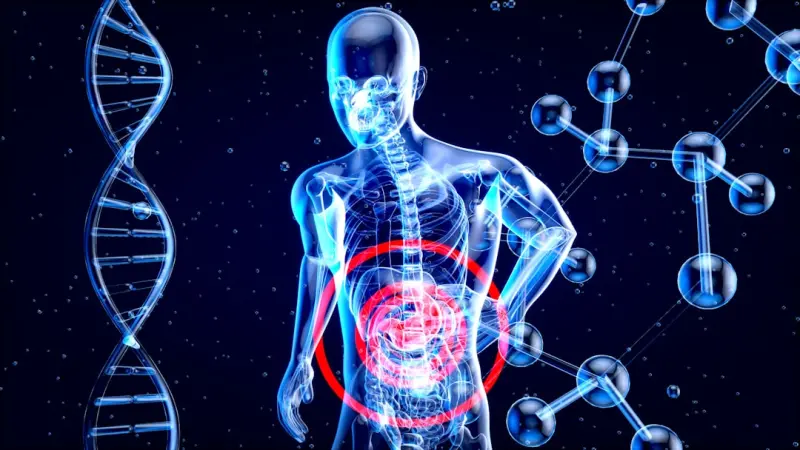
When the pandemic reshaped the office landscape, most conversations centered on Wi‑Fi speed, ergonomic chairs, and video‑call etiquette. Yet beneath the surface of our new work‑from‑home routine lies a silent partner that can dictate how sharp, creative, and resilient we feel each day: our gut microbiome. This bustling community of trillions of bacteria, fungi, and viruses isn’t just a digestive side‑kick—it’s a powerful regulator of mood, cognition, and immune response. For remote professionals who spend long hours in front of screens, the health of that microscopic ecosystem can be the difference between a sprint finish line and a perpetual slump.
Why the Microbiome Matters More Than Ever for Remote Workers
In traditional office settings, a quick walk to the break room, a shared lunch, or an impromptu chat by the water cooler naturally introduces us to a variety of environmental microbes. Those fleeting exposures help keep our gut flora diverse and robust. When we transition to a home office, the microbial variety we encounter often narrows dramatically, especially if we spend most of our time in a single, climate‑controlled room.
Diversity is the cornerstone of a resilient microbiome. A rich microbial tapestry supports the production of short‑chain fatty acids (SCFAs) such as butyrate, which cross the blood‑brain barrier and modulate neurotransmitters linked to focus and anxiety. In contrast, a monotonous diet and limited outdoor exposure can shrink that diversity, leading to inflammation, brain fog, and even mood swings—symptoms that masquerade as “work fatigue” but actually have a gut origin.
For remote workers, the stakes are high. Without the physical cue of a commute, it’s easy to blur the line between “on‑the‑clock” and “off‑the‑clock,” pushing the body into chronic stress. Elevated cortisol levels not only sap energy but also disrupt the delicate balance of gut bacteria, creating a feedback loop that amplifies stress and hampers performance.
Three Microbiome‑Driven Levers to Elevate Your Remote Work Game
Below are three evidence‑based levers you can pull to nurture your gut and, by extension, sharpen your remote‑work output.
- Food Variety, Not Just Calories. Aim to consume at least five distinct plant‑based foods each day—think colorful vegetables, legumes, nuts, seeds, and whole grains. Each plant brings a unique set of fibers that feed different bacterial strains, encouraging a more balanced microbial community.
- Intentional Sunlight & Fresh Air. A daily dose of natural light, especially in the morning, synchronizes your circadian rhythm and indirectly supports gut health by regulating hormone release. Pair this with a brief walk outdoors; the exposure to soil‑borne microbes can inoculate your gut with beneficial species.
- Smart Supplementation. Probiotic and prebiotic supplements can be valuable, but they work best when tailored to your specific microbiome profile. Consider a broad‑spectrum probiotic with strains like Bifidobacterium longum and Lactobacillus plantarum, alongside a prebiotic fiber blend (inulin or resistant starch) to give those microbes the fuel they need.
From Theory to Practice: A Day‑in‑the‑Life Microbiome Routine
Imagine structuring your remote‑workday around microbiome‑friendly habits. Below is a sample schedule that blends productivity techniques with gut‑boosting actions.
- Morning Light & Movement (7:00 – 8:00). Open your blinds, let natural light flood the space, and perform a 10‑minute gentle stretch. Follow with a quick walk around the block, breathing in fresh air and, if possible, pausing on a patch of grass to feel the earth beneath your feet.
- Gut‑Friendly Breakfast (8:00 – 8:30). Combine fermented foods (Greek yogurt, kefir, or sauerkraut) with fiber‑rich berries and a sprinkle of chia seeds. This combo delivers live cultures plus prebiotic fibers that jump‑start digestion.
- Focused Work Block (9:00 – 12:00). Use the Pomodoro method—25 minutes of deep work, 5‑minute microbreaks. During each microbreak, sip water infused with a pinch of cinnamon and a dash of lemon, both of which have mild antimicrobial benefits without stripping beneficial bacteria.
- Lunch & Microbiome Reset (12:30 – 13:30). Build a bowl with leafy greens, roasted chickpeas, quinoa, and a serving of kimchi. The fermented kimchi supplies diverse microbes, while chickpeas and quinoa provide resistant starch for fermentation later in the day.
- Afternoon Recharge (15:00 – 15:15). Step outside for a brief “micro‑sun” session—five minutes of direct sunlight on your arms and face. This triggers vitamin D synthesis, which modulates immune responses in the gut.
- Evening Wind‑Down (18:00 – 19:00). Swap the usual TV snack for a warm cup of herbal tea (e.g., ginger or peppermint) and a handful of almonds. Finish the day with a short gratitude journal—stress reduction is a key ally for gut health.
Technology Meets Microbiome: Tools to Track and Optimize
Just as remote workers rely on project‑management platforms and time‑tracking apps, there’s a growing suite of digital tools designed to give you insight into your gut ecosystem.
Wearable devices now integrate skin‑conductance sensors that estimate stress levels, while companion apps can suggest personalized dietary tweaks based on those readings. More advanced platforms even allow you to upload stool‑sample sequencing results, turning raw data into actionable recommendations—think “increase soluble fiber by 10 g today” or “add a probiotic with strain X for better mood regulation.”
If you’re curious about how digital health can intersect with overall wellbeing, you might also explore our piece on building a health‑first digital workspace. While the focus there is broader than microbiome specifics, the principles of intentional tech use echo the same theme: technology should empower, not distract, from our physiological needs.
The Science of Stress‑Gut Interaction
Stress is a two‑way street. While chronic stress can alter gut permeability—sometimes referred to as “leaky gut”—the resulting low‑grade inflammation can feed back into the brain’s stress circuitry. The gut‑brain axis communicates via the vagus nerve, neurotransmitters (like serotonin, of which 90 % is produced in the gut), and immune signaling molecules.
Recent studies suggest that increasing gut diversity can blunt the cortisol surge that typically follows a stressful deadline. In practical terms, this means that a remote worker who regularly consumes a diverse, fiber‑rich diet may experience less “deadline anxiety” and recover faster after intense work sprints.
Beyond Food: Lifestyle Tweaks That Support Microbial Health
While diet is the headline act, other lifestyle factors play supporting roles:
- Sleep Consistency. Aim for 7‑9 hours of uninterrupted sleep. The gut’s circadian rhythms align with your central clock; disruptions can cause dysbiosis, affecting metabolism and mood.
- Mindful Breathing. Practices such as box breathing or 4‑7‑8 techniques stimulate the parasympathetic nervous system, which in turn promotes a calm gut environment conducive to beneficial bacterial growth.
- Limit Antibiotic Overuse. When antibiotics are necessary, pair them with a targeted probiotic regimen to mitigate collateral damage to your microbiome.
Connecting Microbiome Health to Team Performance
From an organizational perspective, healthier employees translate to lower turnover, fewer sick days, and higher creative output. Companies can embed microbiome awareness into wellness programs by offering:
- Monthly virtual cooking workshops focused on fermented foods.
- Stipends for probiotic‑rich snacks or high‑fiber meal kits.
- Guidelines for “micro‑breaks” that encourage stepping outside for sunlight and fresh air.
These initiatives not only demonstrate a commitment to employee wellbeing but also foster a culture that values holistic performance—where mental acuity, emotional balance, and physical health are seen as interdependent.
Looking Ahead: The Future of Microbiome‑Centric Workspaces
Imagine a future where your home office wall integrates an ambient “soil‑sensor” that detects indoor air quality and recommends a quick desk‑plant rotation to introduce beneficial microbes. Or where your video‑call platform offers a “gut‑check” pause, prompting you to stand, stretch, and sip a probiotic‑infused beverage before re‑engaging.
These ideas may sound sci‑fi, but they are rooted in an emerging paradigm: workplaces—physical or virtual—will be designed not just for productivity metrics, but for the subtle biological rhythms that underpin human performance. As we continue to unravel the microbiome’s influence, the most successful remote teams will be those that harness this invisible ally.
Actionable Checklist for Immediate Implementation
- Introduce at least one fermented food into your daily meals.
- Schedule three 5‑minute “micro‑sun” breaks each day.
- Swap one processed snack for a high‑fiber alternative.
- Start a simple gut‑tracking journal: note meals, mood, and energy levels.
- Explore a gut‑health app that syncs with your wearable to personalize recommendations.
By treating your microbiome as a strategic asset, you’re not just feeding a set of bacteria—you’re cultivating a resilient foundation that powers focus, creativity, and emotional balance. In the era of remote work, that invisible ecosystem might just become your most valuable competitive edge.

Amanda is a passionate writer exploring a kaleidoscope of topics from lifestyle to travel and everything in between.
Related Posts

How to Find a High-Quality Senior Assisted Living Facility
As our loved ones age, they may require additional care and support to maintain their quality of lif... Read More

Navigating the Digital Maze: How Modern Life Affects Our Mental Wellbeing
Explore the complex relationships between modern life, technology, and mental wellbeing, and discove... Read More

Does a 'Healthy' Soda Actually Exist? Experts Weigh In on the Trendy Beverages
The world is full of dietary trends and fads that promise to improve our health and wellbeing. One s... Read More
Top Posts

Designing Adaptive, Multi‑Generational Spaces: Flexibility Meets Style
Discover the future of interior design with adaptive spaces that seamlessly shift from quiet reading nooks to lively play zones, blending flexibility, sustainab...Read More
Voice‑First and Multimodal Search: The Next SEO Frontier
Explore the rise of voice‑first and multimodal search, learn how to adapt your content with conversational intent, micro‑intent segmentation, and rich schem...Read More

The Quiet Advantage: How Slow‑Living Principles Are Redefining Modern Investing
Explore how embracing slow‑living principles transforms investing, balancing speed with intent, security, and purposeful technology for sustainable wealth....Read More

The Paws-itive Impact of Sustainable Living on Pet Care
Sustainable living has a profound impact on pet care, from reducing waste and promoting animal welfare to creating a healthier environment for our pets. Learn h...Read More
0 Comments
Post Comment
You will need to Login or Register to comment on this post!