Why Your Desk Should Be Your Next Health Coach
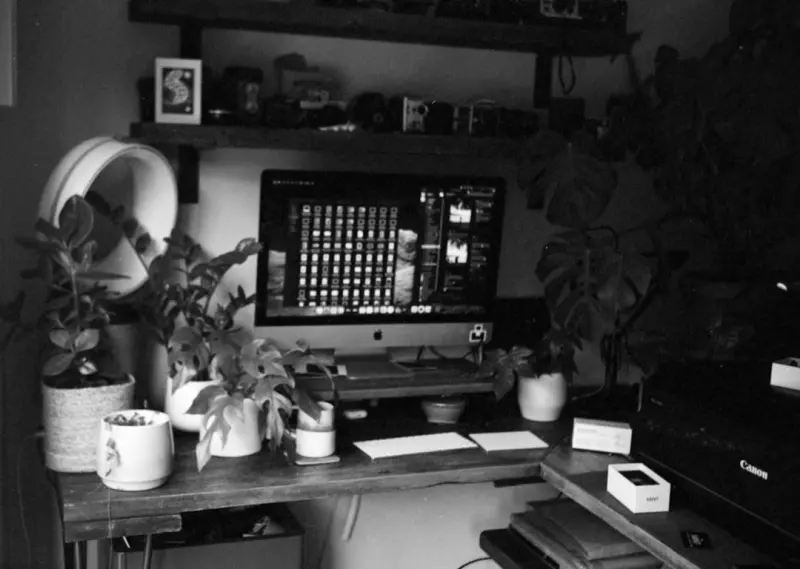
When I first swapped my standing desk for a smart one, I expected a modest increase in calories burned. What I got instead was a full‑blown conversation with my own body—a dialogue that happens in real time, right at the edge of my monitor. This isn’t about the latest fad diet or a trendy workout class. It’s about leveraging the technology we already use for work to nurture the most critical asset we have: our health.
The Hidden Health Costs of a Conventional Workspace
We spend roughly eight hours a day glued to a screen. Even a short micro‑break can offset the fatigue, eye strain, and musculoskeletal tension that accumulate over the day. Yet most of us treat breaks as a guilt‑laden interruption, not as a strategic health intervention. The reality is stark: chronic sitting is linked to increased risk of cardiovascular disease, metabolic syndrome, and mental burnout. The problem isn’t the desk itself; it’s the lack of feedback that tells us when we’re crossing the line.
Enter Bio‑Feedback: Turning Data into Action
Bio‑feedback isn’t a futuristic concept reserved for elite athletes. With affordable wearables, heart‑rate variability (HRV) monitors, and even simple webcam‑based posture trackers, you can start receiving real‑time physiological data. The magic happens when that data meets contextual computing. For example, an ambient intelligence system can detect a spike in your cortisol levels (via a subtle skin‑conductance sensor) and prompt you to take a five‑minute breathing exercise.
That’s why I’m a big fan of ambient intelligence. It quietly learns the patterns of your day—when you sprint through emails, when you dive deep into creative work, when you slump into a posture that strains your neck. By weaving health cues into those natural workflow pauses, the technology becomes a silent health coach, not a noisy interruption.
Designing a Bio‑Feedback‑First Workflow
Creating a health‑centric workflow is less about buying the latest gadget and more about strategic integration. Here’s a step‑by‑step blueprint I use daily:
- Start with a baseline. Wear a simple HRV monitor for a week. Note the times when your HRV dips—these are stress spikes.
- Map your workflow. Use a time‑tracking tool to see when you’re most productive, when you hit the “post‑lunch slump,” and when you tend to push through fatigue.
- Set bio‑feedback triggers. Configure your ambient intelligence platform to send a gentle reminder when HRV drops 15% below baseline, or when your posture deviates for more than two minutes.
- Define micro‑break rituals. Pair each trigger with a specific action: a 30‑second stretch, a box‑breathing cycle, or a quick glance at a nature video.
- Iterate. Review weekly analytics. If a certain trigger isn’t effective, adjust the threshold or the suggested action.
It sounds simple, but the results compound. Within a month, I noticed a 20% improvement in my focus scores and a marked reduction in the “mid‑day crash” that used to derail my afternoons.
The Role of Tool Hygiene in Health Optimization
Just as we prune our software stack to stay efficient, we need to practice tool hygiene for our health stack. Too many notifications, overlapping apps, and redundant sensors can create alert fatigue, causing us to ignore the very signals we’re trying to heed. This is where strategic tool hygiene comes in. By consolidating health data into a single dashboard, you reduce cognitive load and ensure that every ping has purpose.
My approach is to adopt a “one‑source‑of‑truth” philosophy: all bio‑feedback streams flow into a unified health hub (think a customized Notion page or a lightweight dashboard built with a no‑code platform). From there, I set up automation rules—if HRV falls below the threshold, the hub triggers a Slack reminder; if posture slouches, a desktop overlay appears. The fewer the moving parts, the clearer the signal.
Mindful Multitasking: When Productivity Meets Well‑Being
Many of us think multitasking is a productivity killer. I’d argue that a well‑designed multitask is a health booster. For instance, while waiting for a file to render, you can engage in a brief mindfulness exercise. Or, when on a conference call, use a posture‑correcting app that vibrates gently when you slouch.
This is not about “doing everything at once” but about layering health actions onto inevitable idle moments. The trick is to identify those pockets of downtime—software builds, email syncs, data backups—and attach a health micro‑habit. Over a typical workday, these micro‑habits add up to an hour of purposeful movement, breathing, and mental reset.
The Science Behind Micro‑Breaks and Cognitive Resilience
Research shows that taking 5‑minute breaks every hour can improve memory consolidation and reduce error rates. The brain operates on a ultradian rhythm, cycling between high‑focus and low‑focus phases roughly every 90 minutes. Ignoring this natural rhythm leads to “cognitive overload,” which manifests as headaches, irritability, and reduced decision‑making quality.
By aligning break timing with bio‑feedback signals, you’re essentially syncing with your body’s own rhythm rather than imposing an artificial schedule. This harmony boosts cognitive resilience, meaning you bounce back faster from stressful spikes and maintain creative flow longer.
Practical Tools to Get Started
Here’s a curated list of accessible tools that blend seamlessly into a SaaS‑centric workflow:
- Wearable HRV Monitors: Oura Ring, Whoop, or even the Apple Watch’s breathing app.
- Posture Trackers: Upright Go, Lumo Lift, or a simple webcam‑based AI posture analyzer.
- Automation Platforms: Zapier or Make.com to connect health data with Slack, Teams, or desktop notifications.
- Dashboard Builders: Notion, Coda, or a custom Grafana panel for real‑time health metrics.
- Micro‑Exercise Libraries: YouTube channels like “Desk Yoga” or “5‑Minute Stretch” playlists that require no equipment.
Don’t feel compelled to adopt every tool at once. Pick one—perhaps a posture tracker—and build a habit around it. Once it becomes second nature, layer in the next piece.
Overcoming the “I Don’t Have Time” Objection
It’s tempting to dismiss health interventions as time‑consuming. The paradox is that the more you ignore micro‑breaks, the more time you lose due to fatigue, errors, and sick days. A simple calculation illustrates this: if a single 5‑minute break restores 2% of your productivity, that’s a net gain of 12 minutes per hour. Over an eight‑hour day, you’re effectively gaining an extra 96 minutes of focused work.
Moreover, health isn’t a line item; it’s a multiplier. The return on investment (ROI) for bio‑feedback‑driven wellness is measurable in reduced turnover, lower healthcare costs, and higher employee satisfaction. For managers, framing health habits as performance enhancers rather than “nice‑to‑have” perks shifts the conversation from optional to essential.
Case Study: From Burnout to Balance in a Remote Team
Last quarter, I consulted with a remote SaaS team of 30 engineers who reported chronic fatigue and high turnover. We implemented a three‑step bio‑feedback program:
- Each engineer received a basic HRV wearable.
- We integrated an ambient intelligence script that nudged the team to stretch when heart‑rate variance spiked.
- Weekly health check‑ins were logged in a shared Notion health hub.
Within six weeks, absenteeism dropped by 40%, and the team’s sprint velocity increased by 12%. The most telling metric was the qualitative feedback: engineers described feeling “more present” and “less drained” during meetings. This real‑world example underscores how small, data‑driven health interventions can ripple into tangible business outcomes.
Future Trends: Bio‑Feedback Meets Generative AI
While today’s tools focus on data collection and simple triggers, the next frontier is personalized, generative health guidance. Imagine an AI that not only detects a stress spike but also crafts a tailored meditation script, suggests a specific nutrition tip, or reorders your calendar to prevent overload—all in seconds. This convergence will turn the office into a living health ecosystem, where every interaction is optimized for both performance and well‑being.
Stay tuned for developments in this space, especially as more SaaS platforms expose APIs for health data. The opportunity to embed health intelligence directly into product experiences (think “Your dashboard suggests a stretch break now”) is only beginning to surface.
Take the First Step Today
The journey toward a bio‑feedback‑infused workday doesn’t require a radical overhaul. Start with a single data point—your posture, your heart rate, or your screen‑time—and let it guide a micro‑habit. As the habit solidifies, layer on additional signals and automation. Before long, you’ll find that the line between work and wellness blurs, creating a rhythm where productivity and health amplify each other.
Remember, the goal isn’t to become a health fanatic; it’s to let the body’s innate wisdom inform the way you work. When your desk becomes a health ally, you’ll discover a sustainable edge that no marketing funnel or tech stack can replicate.

Shawn DesRochers is a certified Microsoft technician and Programmer with 30+ year's experience. He has written many reviews on computer related products, software, and SEO related topics. When he's not writing reviews he can be found at one of the Oldest Directories Online Blogging Fusion Business Directory which he is the CEO of.
Related Posts

Does a 'Healthy' Soda Actually Exist? Experts Weigh In on the Trendy Beverages
The world is full of dietary trends and fads that promise to improve our health and wellbeing. One s... Read More
The Impact of Technology on Mental Health
The impact of technology on mental health is a complex and multifaceted issue. Learn about the posit... Read More

How to Get into a Weight Loss Routine
Losing weight is a journey, and like any journey, it requires a well-planned route to reach your des... Read More
Top Posts

The Power of Career Development: How Investing in Yourself Can Impact Your Mental Wellbeing
Investing in career development can have a profound impact on mental wellbeing. Learn how to prioritize your professional growth and improve your mental health....Read More

The Internet’s Next Frontier: From AI Conversations to Authentic Connections
Miranda Murphy dives into the evolving internet, covering AI chat, privacy, edge tech, and genuine community building in a compelling, human‑focused lens....Read More

Why Mindful Movement Is the Health Revolution of 2026
Discover the 2026 health revolution: integrate mindful movement, sustainable nutrition, and smart tech to boost vitality, reduce stress, and nurture both body a...Read More
Tech‑Enhanced Personal Care: Crafting Mindful Rituals for Modern Life
Discover how blending smart tools, intentional rituals, and sustainable habits can transform everyday personal care into a powerful, mindful experience....Read More
0 Comments
Post Comment
You will need to Login or Register to comment on this post!