

Why Conventional Budgeting Leaves Creative Professionals Stuck
When I first swapped a corporate paycheck for freelance commissions, the familiar monthly budget spreadsheet felt like a straight‑jacket, clipping the very spontaneity that fuels my work. I quickly realized that the one‑size‑fits‑all budgeting model assumes a regular income cadence and predictable expenses—both luxuries that most creators simply don’t have. Instead of fighting the ebb and flow of project money, I needed a system that bends with my creative rhythm while still keeping the financial lights on.
Adopting a Cash‑Flow Rhythm That Mirrors Your Creative Cycle
Instead of the typical “pay‑day on the 1st” mindset, I broke my income down into weekly “cash‑flow sprints,” aligning each sprint with a deliverable milestone or client checkpoint. By allocating a portion of every invoice to a digital “envelope” for taxes, tools, and personal spend, the anxiety of a looming tax bill evaporated long before the deadline. This fluid envelope method respects the unpredictable nature of freelance work while preserving the discipline that a static budget often forces upon us.
Micro‑Investing: Turning Spare Change Into a Creative Safety Net
Micro‑investing apps let you round up every purchase to the nearest dollar and automatically funnel those pennies into diversified portfolios, turning idle change into a growing financial cushion. I set a modest daily round‑up goal that aligns with my income spikes, so during lean weeks the habit continues without feeling like a forced sacrifice. Over months, those tiny contributions compound, providing a quiet reserve that feels less like a “rainy‑day fund” and more like a “future‑project fund.”
Value‑Based Pricing Over Hourly Rates
Charging by the hour often penalizes the very creativity that makes my work unique, forcing me to count minutes instead of focusing on impact. By shifting to value‑based pricing, I anchor each project to the specific transformation it delivers for the client, which naturally lifts my earnings while allowing more flexible cash flow. This approach also clarifies the financial justification for higher fees, making it easier to allocate a larger slice of revenue toward long‑term wealth building.
Building a Tiered Emergency Fund Tailored to Creative Risks
Traditional advice pushes for three to six months of living expenses in a single savings account, but as a freelancer I face irregular revenue streams and project‑specific outlays. I divided my emergency reserve into three tiers: (1) a “quick‑access” buffer for daily living costs, (2) a “project‑gap” stash for periods between contracts, and (3) a “growth accelerator” pool earmarked for equipment upgrades or training. This tiered system not only protects me during dry spells but also fuels strategic investments when opportunities arise.
Leveraging Community Credit Circles for Shared Financial Resilience
One of the most empowering discoveries was the rise of peer‑to‑peer credit circles, where trusted creatives pool resources to extend low‑interest micro‑loans to one another. By participating in a small, vetted group, I gained access to capital for a sudden software subscription without resorting to high‑cost credit cards. The circle operates on mutual accountability, reinforcing both financial health and the collaborative spirit that underpins the creative community.
Enlisting an AI budgeting companion to Keep the Numbers Honest
Modern AI tools can act as a silent accountant, scanning invoices, forecasting cash flow, and flagging overspending before it becomes a crisis. I integrated an AI‑driven dashboard that learns my billing patterns, suggests optimal invoice dates, and even proposes tax‑saving strategies based on real‑time data. This digital ally eliminates the manual spreadsheet grind, freeing mental bandwidth for creative ideation while ensuring the financial side stays disciplined.
Aligning Money Management With Sustainable Lifestyle Choices
Financial decisions feel most rewarding when they echo my personal values, so I paired my budgeting practice with sustainable finance habits like directing a portion of income toward eco‑friendly investments and supporting local artisans. By mapping each dollar to a purpose—whether it fuels a green project or backs a community co‑op—I turn budgeting from a chore into a statement of intent, reinforcing both fiscal health and ethical fulfillment.
Actionable Steps to Turn Financial Uncertainty Into Creative Freedom
Start by mapping your last six months of income to identify natural cash‑flow cycles, then create weekly digital envelopes that allocate funds for taxes, tools, and personal spend. Next, activate a micro‑investing app with a modest round‑up goal and explore a trusted credit circle for short‑term liquidity. Finally, layer an AI budgeting companion onto your workflow and tie every expense to a broader value, whether that’s sustainability, skill growth, or artistic freedom. By following these steps, you transform financial volatility into a strategic asset that powers your creative journey.

In the world of freelance writing, where creativity and adaptability are paramount, Michelle Fisher stands out as a dedicated and versatile professional. With a passion for crafting compelling narratives and a keen eye for detail, Michelle has established herself as a trusted voice.
Related Posts
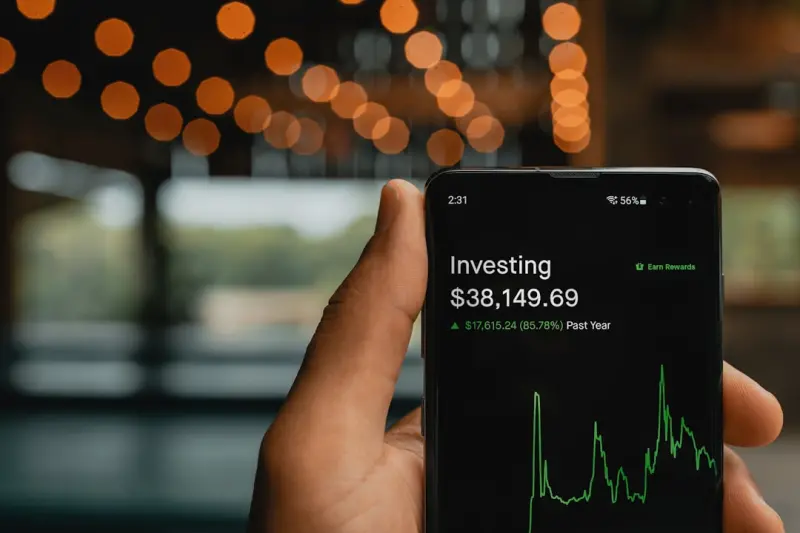
Fractional Investing: Tiny Shares, Big Opportunities
Fractional investing breaks the high‑entry barrier, letting anyone start a diversified portfolio w... Read More

Navigating Income Tax Changes: Essential Updates to Income Tax Rules Before You File
As the annual tax season approaches, the familiar rhythm of gathering receipts, organizing digital r... Read More

Real‑Time Cash Flow Forecasting: The Finance Leader’s New Compass
Finance teams can boost agility and reduce risk by shifting to real‑time cash‑flow forecasting, ... Read More
Top Posts

When Scammers Get Clever: The New Playbook of AI‑Powered Deception
Scammers are using AI to craft hyper‑personalized attacks—from deepfake voice calls to supply‑chain credential laundering. This post breaks down the lates...Read More
Why the Fast‑Food Frenzy Is Actually Feeding Our Creativity
In a world where food moves at lightning speed, I explore how rapid trends ignite creativity, bring people together, and redefine what we truly savor. From stre...Read More

Rethinking Shared Hosting: A Sustainable, Scalable Choice for Growing Businesses
Shared hosting has evolved beyond a budget option. This article explains how it delivers affordability, performance, security, and environmental benefits, and o...Read More
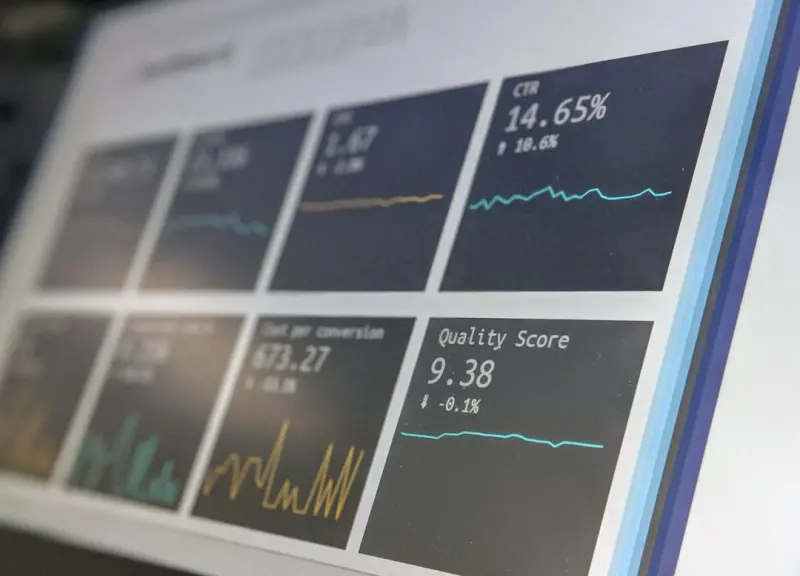
The Quiet Power of Structured Data: Elevating SaaS SEO Beyond Keywords
Structured data is the hidden catalyst that can transform a SaaS website’s search visibility. This article walks you through why schema matters, how to implem...Read More
0 Comments
Post Comment
You will need to Login or Register to comment on this post!