

Why Real‑Time Cash Flow Forecasting Is the Secret Weapon for Modern Finance Leaders
When I first stepped into the CFO seat at a mid‑stage SaaS firm, I thought the biggest challenge would be the usual suspects—budget variance, expense control, and quarterly reporting. What I quickly discovered was that the real battle was visibility. In a world where subscription revenue can swing dramatically from month to month, traditional static forecasts were leaving us blindfolded.
Today, I’m convinced that the only way to stay ahead in finance is to treat cash flow as a living, breathing metric—one that updates the second you close a deal, lose a churned customer, or adjust a pricing tier. In this post, I’ll walk you through the why, the how, and the tangible outcomes of embracing real‑time cash flow forecasting in a SaaS context.
The Cost of Lagging Forecasts
Most finance teams still rely on spreadsheets that are refreshed quarterly or, at best, monthly. That latency creates three hidden costs:
- Opportunity loss – You may miss a timely investment in a growth channel because you think cash is tighter than it really is.
- Risk amplification – Late‑detecting a cash crunch can force emergency financing at unfavorable terms.
- Strategic drift – Without an up‑to‑date view, product roadmaps and hiring plans become guesses rather than data‑driven decisions.
In my own experience, a delayed forecast once caused us to postpone a strategic partnership that would have unlocked a $3M ARR boost. The lesson? When cash flow information is stale, strategic agility stalls.
Building the Real‑Time Engine
Transitioning from static to dynamic forecasting isn’t about swapping Excel for a fancier spreadsheet. It’s about weaving together three core components:
- Data ingestion pipelines – Pull subscription metrics (MRR, ARR, churn) straight from your billing platform, sync them with your ERP, and layer in external signals like market‑wide pricing trends.
- Predictive modeling – Use machine‑learning models that can forecast churn probability, upsell likelihood, and even the impact of a pricing experiment on cash flow.
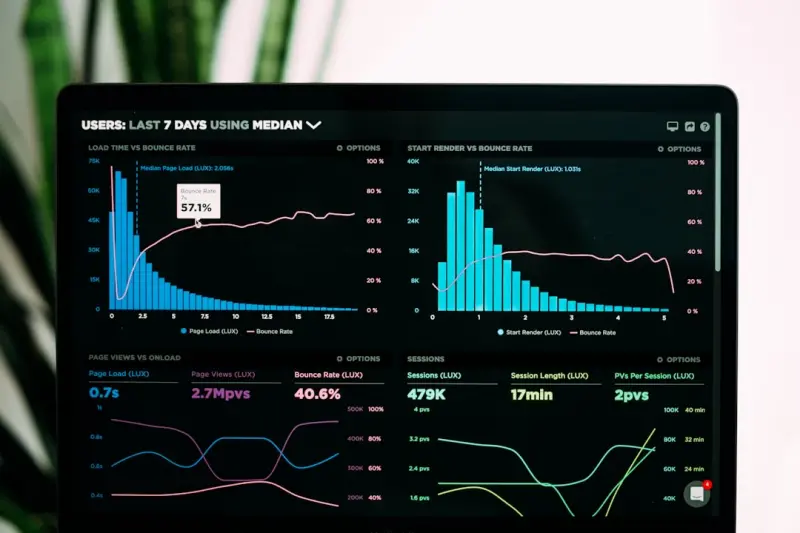
- Visualization & alerting – A dashboard that updates in real time and pushes alerts when cash run‑rate deviates beyond a preset threshold.
Many SaaS leaders balk at the “machine‑learning” part, fearing it’s a black box. The truth is, you can start with simple regression models and iteratively improve. The key is to trust the data pipeline first. Once you have confidence that the numbers flowing into the model are clean, the predictive layer becomes a powerful lever.
Case Study: From Reactive to Proactive
Let me share a quick case study from my tenure at NovaMetrics (a B2B analytics platform). Prior to adopting real‑time forecasting, our finance team would often discover a cash shortfall only after the month‑end close—meaning we were scrambling to cut discretionary spend.
After implementing a data‑centric forecasting stack, we achieved:
- 30% reduction in emergency financing requests.
- 15% faster decision‑making on new product launches.
- 20% improvement in churn prediction accuracy, directly feeding into cash flow projections.
The secret sauce? Integrating dynamic learning paths for our finance analysts, allowing them to upskill on data science concepts without pulling them away from daily responsibilities. This cross‑functional growth ensured the team could maintain and refine the models in‑house.
How Real‑Time Forecasts Influence Strategic Decisions
When cash flow is visible at every moment, the ripple effects touch every department:
1. Product Development
Product managers can simulate the cash impact of a new feature before committing resources. If a proposed AI add‑on is projected to increase churn, the finance model will flag the risk, prompting a redesign or pricing tweak.
2. Go‑to‑Market Teams
Marketing budgets become fluid. If the forecast shows excess cash runway, the team can safely increase spend on high‑ROI campaigns. Conversely, a dip triggers a pre‑approved reduction, avoiding surprise cash gaps.
3. Talent Acquisition
Hiring plans align with cash health. Instead of a blanket “hire 10 engineers next quarter,” you can tie each hire to a cash‑flow‑positive milestone, ensuring payroll stays sustainable.
4. Investor Relations
Real‑time data equips you to answer investor queries with confidence. When asked about runway, you can provide an up‑to‑the‑minute forecast rather than a static, potentially outdated spreadsheet.
Integrating Trust and Transparency
Finance is traditionally a gatekeeper function, but the shift to real‑time data demands a cultural pivot toward openness. This is where designing trust becomes more than a buzzword—it’s a framework for sharing forecasts across the organization without compromising data integrity.
Here are three trust‑building practices we adopted:
- Access tiers – Give product leads read‑only access to cash‑flow dashboards while reserving edit rights for finance.
- Explainable metrics – Pair every forecast figure with a simple narrative: “Revenue dip due to churn spike in Segment X.”
- Feedback loops – Create a monthly forum where non‑finance teams can question forecast drivers, fostering a sense of joint ownership.
These steps turned what could have been a “black‑box” finance function into a collaborative partner that the entire organization trusts.
Leveraging Customer Success Data for Cash Flow Accuracy
One of the most underutilized assets in forecasting is customer success data. Churn risk scores, product usage trends, and health metrics are direct leading indicators of future cash inflows or outflows.
By feeding this data into your predictive model, you gain a two‑fold advantage:
- More precise churn forecasts, which tighten cash‑flow variance.
- Early warning signals that allow the success team to intervene before revenue is lost.
In practice, we set up an automated pipeline that pulls health scores nightly, recalibrates the churn probability, and updates the cash‑flow projection instantly. The result? A 10% reduction in forecast error within the first quarter of implementation.
Choosing the Right Tech Stack
While the concept is straightforward, execution hinges on technology. Below is a lightweight stack that scales from startup to enterprise:
| Component | Recommended Tools |
|---|---|
| Data Ingestion | Fivetran, Stitch, or custom APIs |
| Warehouse | Snowflake, BigQuery, or Redshift |
| Modeling | Python (scikit‑learn), R, or built‑in SaaS analytics (e.g., Looker) |
| Visualization | Tableau, Power BI, or a custom React dashboard |
Don’t over‑engineer. Start with a single data source (e.g., Stripe) and a basic linear regression model. As confidence grows, layer in more signals and sophisticated algorithms.
Common Pitfalls and How to Avoid Them
Even with the best intentions, teams stumble. Here are the three most frequent mistakes and quick fixes:
- Over‑reliance on historical data – Past trends can mislead in rapidly evolving markets. Counteract by injecting forward‑looking variables such as upcoming product launches or macro‑economic indicators.
- Neglecting data quality – Garbage in, garbage out. Implement validation rules at the ingestion layer and schedule regular data audits.
- Skipping stakeholder education – If leaders don’t understand the model’s assumptions, they’ll distrust the output. Host short “model‑walkthrough” sessions after each major release.
The Bottom Line
Real‑time cash flow forecasting isn’t a gimmick; it’s a strategic imperative for finance leaders who want to drive growth without compromising stability. By marrying clean data pipelines, transparent modeling, and cross‑functional collaboration, you turn cash flow from a lagging indicator into a proactive compass.
If you’re ready to shift from reactive spreadsheets to a living cash‑flow engine, start small, iterate fast, and keep trust at the core of every data share. The payoff isn’t just numbers on a dashboard—it’s the confidence to seize opportunities, mitigate risk, and steer your SaaS business toward sustainable success.

Armed with a degree in English Literature, Jill’s journey into the digital space wasn't just a career move; it was a natural extension of her lifelong love affair with storytelling. While some writers view search engine optimization (SEO) as a rigid constraint, Jill sees it as a creative puzzle. She understands the delicate art of balancing the algorithmic demands of search engines with the human desire for resonance, emotion, and value. To Jill, keywords aren't just targets to hit; they are the breadcrumbs that lead eager readers straight to the answers they’ve been searching for.
Related Posts
Why Real‑Time Cash Flow Modeling Is the CFO’s Secret Weapon in SaaS
A deep dive into why static forecasts fall short for SaaS, how predictive analytics can build a livi... Read More

The Moment Most People Realize They Need a Financial Reset
A financial reset is rarely the product of a single event; it is the culmination of signals that, ta... Read More

Why CFOs Are Betting on Adaptive Cash Flow Platforms
CFOs are shifting from static spreadsheets to AI‑powered, real‑time cash‑flow platforms that l... Read More
Top Posts

Beyond the Box: How Subscription Gifts Are Redefining Remote Work Culture
A deep dive into how subscription‑style gifts are transforming employee appreciation for distributed teams, offering personalized, sustainable, and tech‑dri...Read More

Micro‑Adventures: Redefining Everyday Exploration
Micro‑adventures are bite‑sized escapades that fit into busy lives, turning everyday moments into sources of wonder, creativity, and personal growth....Read More

How to Prevent a Data Security Breach
In the relentlessly evolving digital landscape, data has emerged as the most critical asset for individuals, businesses, and governments alike. From proprietary...Read More

10 Best Small Business Website Builders in 2021
As a small business owner, having an online presence is crucial in today's digital world. A well-designed website can help you reach a wider audience, promote y...Read More
0 Comments
Post Comment
You will need to Login or Register to comment on this post!