
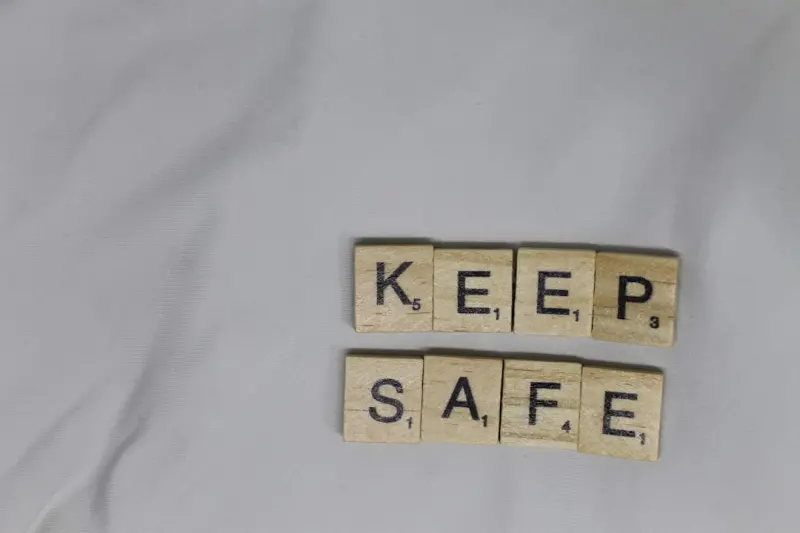
Why Safety Became My Daily Compass
When I first moved into a bustling city block, the clatter of traffic and the flicker of neon signs reminded me that safety isn’t a distant concept but a constant, lived experience that shapes every decision, from the route I take home to the locks I double‑check on my apartment door; this realization sparked a personal mission to turn vague worries into actionable habits that feel both empowering and effortless. Over time I discovered that the most reliable safety net is woven from tiny, intentional choices—like scanning the hallway before opening the door, or pausing to notice the rhythm of footsteps behind me—because each micro‑decision compounds into a larger sense of control that quiets the brain’s alarm system without draining my energy. In sharing this journey, I hope to offer readers a roadmap that feels less like a checklist and more like a trusted companion guiding them through the unpredictable moments that define modern life.
Trusting Your Intuition: The First Line of Defense
My experience taught me that the most powerful safety tool often sits quietly inside our own heads, a subtle gut feeling that warns us of danger before logic catches up; by learning to recognize that flutter of discomfort as a signal rather than a nuisance, we can preemptively adjust our path, whether it means stepping away from a conversation that feels off‑kilter or choosing a different street when the evening light fades. This intuitive vigilance works best when paired with a simple habit of “mental scanning”—a quick, mental inventory of exits, by‑standers, and potential hazards that can be completed in the time it takes to tie a shoe, yet it requires practice to keep the mind from slipping into autopilot; I’ve found that setting a mental cue, like the sound of a distant siren, can jog this awareness back into focus without feeling intrusive. By honoring our inner alarm, we build a resilient safety culture that doesn’t rely solely on external tools but instead amplifies the natural human instinct to protect ourselves.
Guarding Your Digital World with Thoughtful Design
In an age where personal data drifts through countless apps, the line between physical and digital safety blurs, demanding that we treat our online footprints with the same care we give our front doors; I began applying the principles of transparent design to my own browsing habits, opting for services that clearly explain data collection and offering only the minimum information required to function. A great example of this mindset can be found in the article designing for data privacy, which showcases how honest communication builds trust and reduces the risk of accidental exposure, reminding us that safety also thrives on clarity and consent. By regularly reviewing privacy settings, using password managers, and enabling two‑factor authentication, we create digital fortifications that mirror the physical locks we rely on, ensuring that the convenience of technology never outpaces the security of our personal information.
Home Safety Hacks That Feel Like Rituals
Transforming a house into a safe sanctuary is less about expensive alarm systems and more about embedding gentle, repeatable actions into the daily flow, such as placing a flashlight by the bedside or checking that stove knobs are turned off while waiting for the kettle to boil; these tiny rituals become second nature, allowing us to glide through mornings and evenings with a calm certainty that nothing critical has been overlooked. For families, the stakes rise, and I turned to the fresh playbook for everyday kids safety for age‑appropriate strategies that empower children to recognize hazards without fostering fear, like teaching them to “stop, think, and ask” before entering unfamiliar spaces. By integrating these practices into bedtime stories or weekend chores, safety becomes a shared narrative rather than a parental mandate, reinforcing a culture where every member feels responsible and confident in protecting their environment.
Building Community Resilience Through Shared Awareness
One of the most rewarding aspects of cultivating personal safety is discovering how it ripples outward, strengthening the fabric of the neighborhood and fostering a sense of collective guardianship that can deter crime before it ever materializes; I started organizing short “safety circles” at the local coffee shop, where residents exchanged tips on lighting, suspicious activity, and emergency contacts, turning strangers into allies. The success of these gatherings echoes the principles outlined in quiet confidence safety strategies, which emphasize low‑key, consistent communication that builds trust without creating panic. When everyone knows the name of the neighbor who watches the alley or the exact location of the nearest defibrillator, the community’s response time improves, and a shared sense of vigilance replaces isolation, making the streets feel safer for all.
Travel Preparedness: Turning Trips into Safe Adventures
Whether heading to a neighboring town or hopping on a plane across continents, the thrill of travel should never be shadowed by avoidable risks, and I’ve learned that the best preparation begins with a simple, portable safety kit that includes a multi‑tool, a compact first‑aid pouch, and a printed list of local emergency numbers; this kit, tucked into a carry‑on, serves as both a physical safeguard and a mental cue that you’re ready for the unexpected. Equally important is researching the destination’s health advisories, cultural norms, and transport safety records, turning what could be a daunting checklist into a quick, informative scan that informs your itinerary and helps you avoid high‑risk areas. By treating each journey as an extension of daily safety habits—checking doors, securing luggage, staying aware of crowds—you transform travel from a source of anxiety into a confident, controlled experience.
Workplace Wellness: Ergonomics Meets Mental Safety
Spending hours at a desk can silently erode both physical posture and mental well‑being, so I adopted a dual‑focus approach that pairs ergonomic adjustments—like a monitor at eye level and a chair that supports the lumbar curve—with micro‑breaks for mindfulness, allowing the body to reset and the mind to decompress; over time these brief intervals have proven to reduce the cumulative stress that often leads to burnout or workplace accidents. Investing in a standing desk, a quality headset for virtual meetings, and a simple “screen‑time” timer can dramatically improve concentration and reduce eye strain, while setting clear boundaries around after‑hours emails protects mental space and reinforces a healthier work–life balance. By treating the office as an environment that demands the same proactive safety mindset as the street, we create a space where productivity thrives without sacrificing health.
First‑Aid Fundamentals: Empowering Every Household
Even the most prepared individuals can be caught off guard by sudden injuries, which is why I made it a point to master a handful of core first‑aid techniques—like CPR, the Heimlich maneuver, and basic wound care—through community workshops that demystify life‑saving skills and turn them into accessible knowledge for any household member; these sessions not only build confidence but also foster a culture where helping hands are always ready. Keeping a well‑stocked first‑aid kit in both the kitchen and the car, and regularly checking expiration dates, ensures that you’re never scrambling for supplies when minutes count, and labeling each item with clear usage instructions removes hesitation during emergencies. When everyone feels equipped to respond calmly and effectively, the ripple effect extends beyond the immediate incident, reinforcing the belief that safety is a shared, teachable skill rather than a rare talent.
Integrating Safety Into the Rhythm of Life
After years of weaving safety into my daily routines, I’ve come to view it not as a separate chore but as an integral thread that runs through every aspect of life, from the way I lock my front door to the way I navigate a crowded subway, and this perspective invites others to adopt a holistic mindset where each choice subtly reinforces the next; by reflecting on moments where a simple habit prevented a larger problem, we reinforce the habit loop, making safety a natural, almost invisible part of our existence. I encourage readers to start small—perhaps by committing to a nightly “security sweep” of their living space or by sharing a safety tip with a friend each week—and then watch how those modest actions cascade into a stronger, more resilient personal ecosystem. In the end, the goal isn’t perfection but progress, and every incremental improvement adds up to a community where confidence and protection go hand in hand.

Freelance writer with a flare for everything. I am passionate about topics I write crafting stories and compelling content that connect with audiences. Journeying through the realms of creativity as a freelance creator. #WriterLife #ContentCreator
Related Posts
The Slow‑Living Path to Safer Digital Spaces
A deliberate, slow‑living approach to security creates deeper resilience, reduces hidden risks, an... Read More

Invisible Hazards: Safeguarding Your Remote Workspace
A deep dive into the unseen risks of remote work and actionable tactics to secure your workspace, bo... Read More

Safety as a Growth Engine: Why Every SaaS Team Must Prioritize It
A deep dive into the three layers of safety—operational, cyber, and cultural—and why prioritizin... Read More
Top Posts

What to Expect From Wood Floor Restoration?
Wood floors are a timeless and elegant addition to any home. Their natural beauty, warmth, and durability are unmatched, making them a popular choice for homeow...Read More

TikTok’s Secret Role in Accelerating B2B SaaS Growth
TikTok isn’t just for dance challenges; it’s becoming a powerful B2B SaaS channel. Learn how short‑form video, instant feedback loops, and automation can ...Read More

Cultivating Collaborative Social Media: Micro‑Communities, Listening, and Employee Advocacy
Discover a fresh social media framework that blends niche community nurturing, data‑driven listening, and employee advocacy to create a thriving, authentic br...Read More

Unlocking the Hidden Potential of Google’s Generative AI for B2B SaaS Growth
Discover how Google’s Gemini and Duet AI can accelerate product design, personalize experiences at scale, and deliver AI‑powered insights, giving B2B SaaS c...Read More
0 Comments
Post Comment
You will need to Login or Register to comment on this post!