
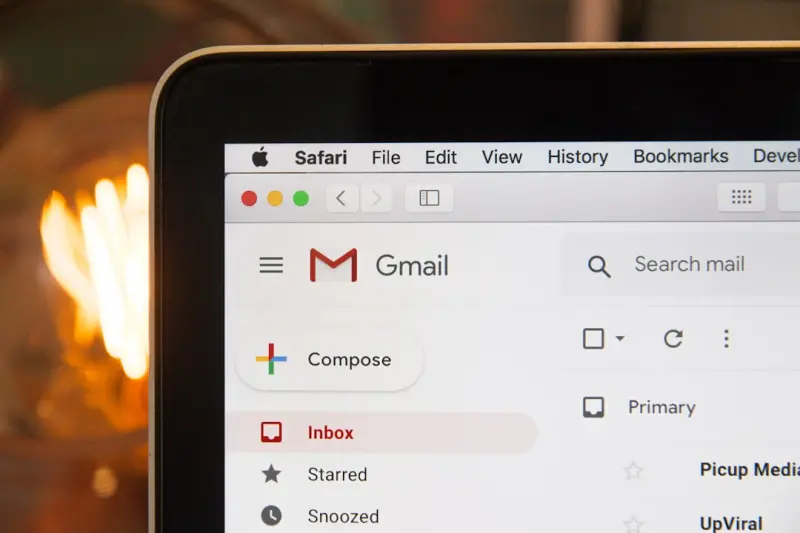
Why Attention Fatigue Demands a New Email Playbook
Inboxes are no longer just collections of newsletters; they have become battlegrounds where every sender competes for the fleeting gaze of a reader who scrolls faster than ever before. Attention fatigue is a psychological state caused by the relentless barrage of notifications, social feeds, and promotional emails, leaving recipients with a short‑term memory for any single message that isn’t instantly compelling. To survive, marketers must abandon the one‑size‑fits‑all approach and adopt a mindset that treats each email as a highly personalized conversation rather than a generic broadcast.
Micro‑Segmentation: Turning Data Into Human‑Scale Audiences
Instead of grouping users by broad demographics, the next frontier is micro‑segmentation—creating clusters of a few dozen or even a single subscriber based on behavior, purchase history, and contextual signals. By leveraging advanced analytics, you can identify patterns such as “first‑time buyer who abandons carts after 48 hours” or “loyal reader who clicks links only on weekends,” then craft messages that speak directly to those nuances. The result is a dramatic lift in relevance, because the email feels less like a mass‑mailing and more like a hand‑delivered note that anticipates the reader’s next move.
Psychological Triggers That Make Subject Lines Impossible to Ignore
Human brains react to scarcity, curiosity, and social proof within milliseconds, so embedding these triggers into subject lines can dramatically improve open rates. Phrases like “Only 2 Spots Left” or “You’ve Been Chosen” tap into loss aversion, while openers such as “What Everyone Is Talking About” leverage the bandwagon effect. However, authenticity remains critical; overusing hype can erode trust, so balance intrigue with genuine value propositions that promise a clear benefit once the email is opened.
AI‑Enhanced Content Without Losing the Human Touch
Artificial intelligence is no longer a novelty; it’s a practical tool for scaling personalization at the moment of creation. By integrating AI‑driven copy generators, you can produce variations of the same core message that reflect the recipient’s tone preferences, buying stage, and even recent browsing behavior. For example, the AI-driven content creation workflow can suggest subject lines that align with a user’s past clicks while preserving brand voice, allowing marketers to test dozens of permutations without manual effort. The key is to treat AI as an assistant that amplifies empathy rather than replaces it.
Timing and Cadence: Sending When the Brain Is Most Receptive
Research shows that email engagement peaks during mid‑morning on weekdays and early evening on weekends, but the optimal window varies by audience segment and industry. By analyzing time‑zone data and past interaction timestamps, you can schedule deliveries for the exact moment a subscriber is most likely to be at a desk, on a commute, or casually scrolling on a mobile device. Moreover, staggering the cadence—sending a welcome series, a value‑add email, then a soft sell—creates a rhythm that feels natural rather than intrusive, fostering a sense of anticipation rather than fatigue.
Interactive Elements That Turn Passive Reading Into Active Participation
Static copy is losing its edge; modern inboxes now support polls, quizzes, and collapsible content that invite readers to engage directly within the email. Embedding a one‑question poll about product preferences, for instance, not only gathers real‑time data but also signals that the brand cares about the subscriber’s opinion. These interactive touchpoints increase dwell time and can be tied to dynamic content blocks that update based on the user’s response, creating a feedback loop that continuously refines relevance. For inspiration, see how community‑driven storytelling on social platforms has translated into richer email experiences.
Beyond Open Rates: Measuring True Engagement and Lifetime Value
Open rates are a blunt instrument; they tell you that an email was seen but not whether it moved the needle on business goals. Deeper metrics such as click‑through depth, conversion velocity, and post‑click revenue provide a clearer picture of how email influences the customer journey. By assigning monetary value to each action—whether it’s a product purchase, a webinar signup, or a referral—you can calculate the true return on investment for each campaign and allocate budget toward the tactics that drive the highest lifetime value.
Compliance, Trust, and the Future of Permission‑Based Marketing
Privacy regulations and growing consumer skepticism make transparent consent a cornerstone of any sustainable email strategy. Explicitly stating how data will be used, offering easy unsubscribe options, and honoring preferences instantly build trust, which in turn improves deliverability and engagement. As browsers and email clients tighten security standards, marketers who prioritize ethical data practices will not only avoid penalties but also differentiate themselves in a crowded inbox landscape.
The Road Ahead: Anticipating the Next Evolution of Email
Looking forward, email will likely integrate more seamlessly with omnichannel experiences, pulling in data from chatbots, social media, and even IoT devices to create hyper‑contextual messages. Imagine an email that knows you just left a physical store, suggests complementary accessories, and offers a limited‑time discount—all triggered by a single beacon event. Preparing for this future means investing now in robust data pipelines, AI‑augmented personalization, and a culture of continuous testing that keeps the brand adaptable in an ever‑shifting attention economy.

Jimmy Anand is a content creator that gets inspired by many aspects of life, internet or whatever inspires him at that moment. When he's not online he's gaming and when he is not gaming he is online trolling discussion boards.
Related Posts
Why Email Marketing Still Rules in 2026: Dale Peterson’s Playbook
Dale Peterson reveals how data, AI, and authentic storytelling keep email marketing powerful in 2026... Read More
The Secret Sauce Behind Email Deliverability: AI, Data, and Human Touch
Deliverability is no longer a set‑and‑forget task. This post reveals how AI guardians, predictiv... Read More
Beginners Guide to Successful Email Marketing Plus Examples
Email marketing has been an integral part of digital marketing for decades. Despite the rise of soci... Read More
Top Posts
Why Speed, Security, and Sustainability Are the New Pillars of Modern Web Hosting
Explore the rise of edge‑centric, sustainable, and secure web hosting, and learn how these trends boost performance, rankings, and user trust for modern sites...Read More

Beyond Passwords: Combating Credential Stuffing in the Age of AI
A deep dive into AI‑powered credential stuffing, its impact on modern security, and practical steps to safeguard user accounts now....Read More
Why Bing Is the Quiet Powerhouse Marketers Can’t Afford to Ignore
Bing’s market share, AI-driven results, and deep ties to Microsoft’s ecosystem make it a hidden goldmine for marketers. This guide reveals practical tactics...Read More
The Hidden Growth Engine: Harnessing Social Audio for B2B SaaS Success
Social audio is reshaping B2B marketing by offering real‑time, conversational experiences that convert listeners into qualified leads. Learn the step‑by‑s...Read More
0 Comments
Post Comment
You will need to Login or Register to comment on this post!