
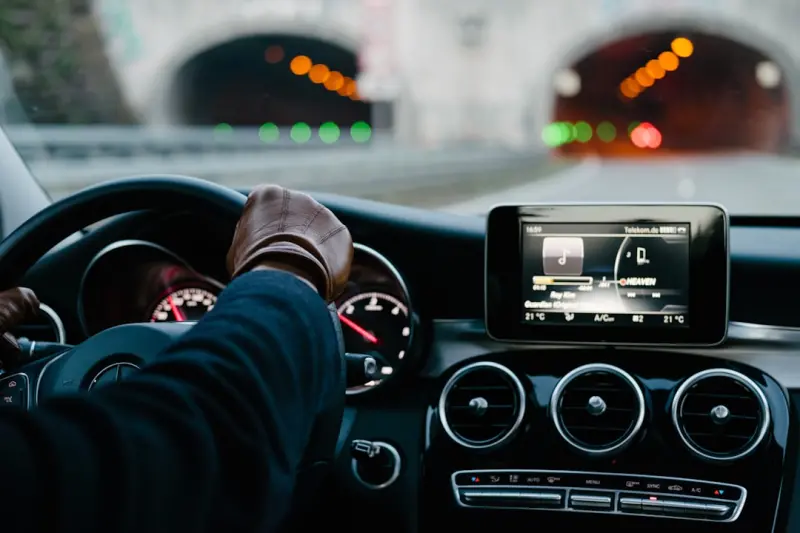
Why Telematics Is No Longer a Luxury Add‑On
When I first stepped into a dealership two years ago, the sleek dash screens and voice‑controlled assistants felt like futuristic gimmicks, but today they are the nervous system of my daily commute. Telematics—the blend of telecommunications and informatics that streams vehicle data to the cloud—has quietly slipped from the realm of fleet managers into the hands of everyday drivers, reshaping how we think about ownership, safety, and even our personal routines. This shift isn’t about flashy features; it’s about a data‑driven conversation between car and driver that promises to make every mile smarter, greener, and more connected than ever before.
From Sensors to Sentences: How Data Leaves the Car
Modern cars are riddled with an array of sensors that monitor engine temperature, brake wear, fuel efficiency, and even the subtle tremor of the steering wheel, all of which are packaged into streams of bits that travel over cellular networks to remote servers. The moment you accelerate, the vehicle logs GPS coordinates, speed, and throttle position, then whispers that information to a cloud platform where algorithms stitch it into a narrative you can read on your phone. While some drivers cringe at the idea of a constant digital eye, the reality is that this flow of information enables services that were once science‑fiction, like predictive maintenance alerts that arrive before a part actually fails.
AI‑Powered Insight: Turning Raw Numbers Into Actionable Advice
The true magic happens when artificial intelligence takes the raw telemetry and extracts patterns that would be invisible to the human eye. By cross‑referencing my driving habits with millions of anonymized data points, AI can suggest optimal routes that shave minutes off my commute while reducing fuel consumption. It can also detect early signs of engine knock that hint at an upcoming misfire, prompting a service reminder before I even notice a wobble. For those curious about the technology behind these recommendations, the AI‑Driven Search Intent article offers a deep dive into how machine learning transforms raw data into meaningful guidance.
Safety on the Fast Lane: Real‑Time Alerts That Save Lives
One of the most immediate benefits of telematics is its ability to deliver split‑second safety alerts directly to the driver’s ear and eye. If a sudden drop in tire pressure is detected, the system flashes a warning on the instrument cluster and sends a push notification to your smartphone, giving you time to pull over before a blowout occurs. Moreover, collision‑avoidance modules use radar and lidar data to calculate imminent threats, triggering automatic emergency braking if you don’t react quickly enough. These interventions, once reserved for high‑end sports cars, are now standard in many mid‑range models, turning every vehicle into a proactive safety partner.
Predictive Maintenance: The New Routine for Car Care
Gone are the days of guessing when to change the oil or replace the timing belt; telematics now hands you a calendar of maintenance tasks based on actual usage rather than mileage milestones. When the engine control unit records a gradual rise in coolant temperature over several trips, the system logs a “potential cooling system issue” and schedules a service appointment that fits your calendar, often before a costly breakdown occurs. This proactive approach not only extends the lifespan of key components but also reduces the total cost of ownership by preventing emergency repairs that can cripple your budget.
Insurance Evolution: Paying for What You Actually Drive
Telematics has given rise to usage‑based insurance (UBI), where premiums adjust in real time based on how responsibly you drive rather than static demographic assumptions. By sharing data on hard braking, rapid acceleration, and nighttime driving, insurers can reward low‑risk behavior with lower rates, creating a financial incentive to adopt smoother, more fuel‑efficient habits. This transparency also fosters a collaborative relationship between driver and insurer, turning the policy from a passive contract into an interactive tool that nudges you toward safer, more economical driving patterns.
Beyond the Car: Connecting to Home, Work, and the Wider IoT Ecosystem
The reach of telematics extends far beyond the vehicle itself, linking your car to smart home devices, workplace security systems, and even city infrastructure. Imagine your garage door opening automatically as you approach, your thermostat adjusting to your arrival time, and your office’s parking lot reserving a spot the moment you leave the highway. Haptic feedback, a technology traditionally seen in smartphones, is now being integrated into steering wheels and seat cushions to provide tactile alerts for lane departures or speed limits—a concept explored in detail in Unlocking the Power of Haptic Feedback in Mobile Apps. These subtle vibrations turn abstract data into a physical sensation, ensuring you never miss a critical warning while keeping your eyes on the road.
Looking Ahead: The Road to a Fully Connected Driving Experience
As 5G networks roll out and edge‑computing platforms mature, the latency between your car’s sensors and the cloud will shrink to near‑instantaneous, enabling ultra‑responsive services like real‑time traffic rerouting and collaborative autonomous platooning. Edge‑first architectures will process data locally on the vehicle, reducing reliance on distant servers and enhancing privacy—a topic covered in depth in Edge‑First Development. For drivers who crave control, the future promises a seamless blend of human intuition and machine precision, where every journey is optimized for safety, efficiency, and personal comfort. Embracing telematics today means stepping into that future with confidence, turning your car from a mere transport device into a trusted partner on every road you travel.

Karen Edwards is a seasoned freelance writer with a passion for all things furry, feathered, and scaled. With a dedicated focus on pets, she brings a wealth of knowledge and a keen eye for detail to her writing.
Related Posts
Navigating the Cold: A Professional's 10-Step Guide to Winterizing Your Vehicle
As the vibrant hues of autumn begin to fade and the crispness in the air portends the colder months,... Read More
Driving the Future: Lauren Miller’s 2024 Automotive Trends and Insights
Lauren Miller dives into 2024’s hottest automotive shifts—from EV breakthroughs and AI‑powered... Read More
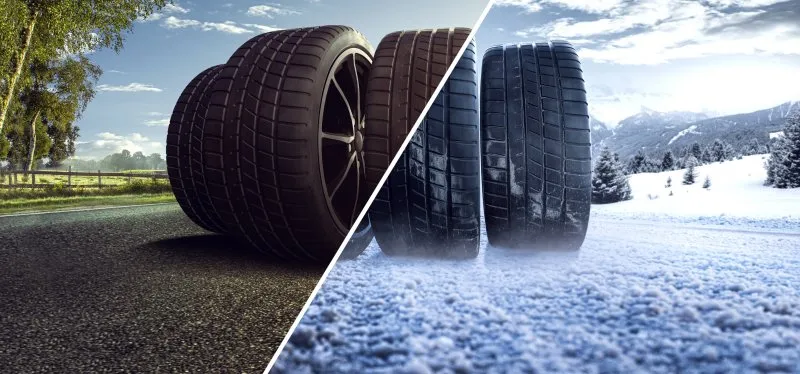
When should you switch to winter tires?
As autumn's vibrant palette begins to fade and the crispness in the air hints at colder days, a crit... Read More
Top Posts

The Ultimate Guide to the Best Alternative Phones for Tweens
The decision to give a child their first phone marks a major milestone—and a significant source of anxiety for parents. In a world dominated by social media a...Read More

From Chaos to Chronicle: Harnessing AI to Map Your Digital Life
Learn how AI can turn your scattered digital footprints into a cohesive life story, offering clarity, confidence, and a meaningful legacy for the future....Read More
The Icy Grip of Reality: Why Winter Accidents Demand Legal Expertise
Winter descends upon us, transforming familiar landscapes into treacherous terrains. The biting wind, the shimmering frost, and the serene blanket of snow can q...Read More

Balancing Speed and Strategy: The New Playbook for Modern Marketers
Learn the art of merging lightning‑fast tactics with thoughtful strategy, leveraging tech, data, and community to future‑proof your marketing efforts....Read More
0 Comments
Post Comment
You will need to Login or Register to comment on this post!