
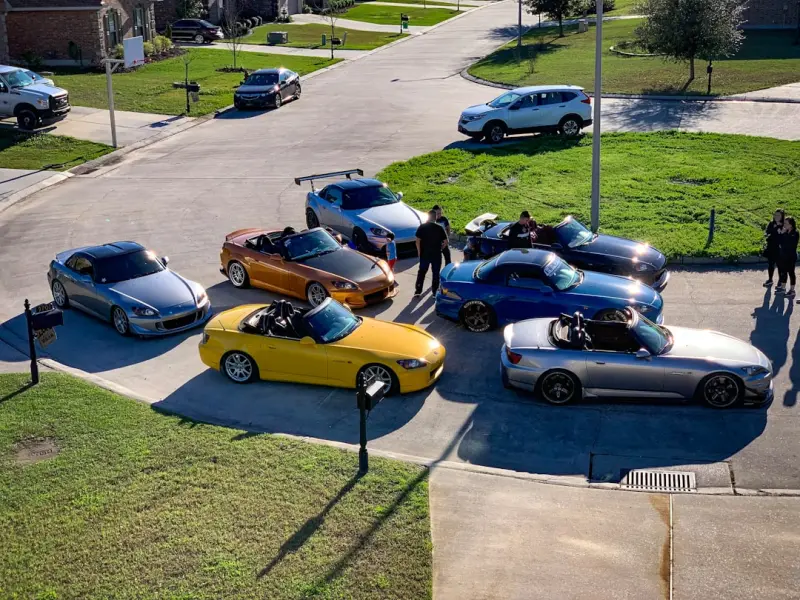
When I first slipped behind the wheel of a gleaming, fully‑loaded SUV, the thrill was undeniable—but so was the lingering question: “How long will this love affair last?” In the past decade, the automotive world has been a whirlwind of electric powertrains, autonomous pilots, and sleek connectivity suites. Yet, amid the tech hype, a quieter but equally transformative shift is gaining momentum—car subscriptions.
From Ownership to Access: A Cultural Pivot
For generations, the mantra “buy it, keep it, love it” defined our relationship with automobiles. The garage was a status symbol, a shrine to personal achievement, and a tangible asset on a balance sheet. Today, that narrative is bending under the weight of three converging forces:
- Urban density: Millennials and Gen Z are gravitating toward city living, where parking spaces are scarce and car‑ownership costs spike.
- Economic fluidity: The gig economy and remote work have turned stable, long‑term financial commitments into a relic of the past.
- Tech‑enabled flexibility: With smartphones managing everything from ride‑hailing to home thermostats, consumers expect the same on‑demand convenience from their mobility choices.
Enter the subscription model—a hybrid of leasing, renting, and membership clubs—that promises to align vehicle access with modern lifestyles.
What Exactly Is a Car Subscription?
At its core, a car subscription bundles the vehicle, insurance, maintenance, and often roadside assistance into a single monthly fee. Unlike traditional leasing, which locks you into a fixed term and penalizes early termination, subscriptions operate on a rolling basis. Want a compact for city commutes this month and a rugged SUV for a weekend mountain retreat? Swap it out with a few taps on an app.
Think of it as Netflix for cars. Just as streaming platforms curate libraries that match your taste, subscription services curate fleets that match your needs—whether you’re a weekend explorer, a business professional, or a family on the move.
Key Benefits That Resonate With Today's Drivers
Below are the top reasons why drivers—especially the digitally native crowd—are gravitating toward subscriptions:
- Predictable budgeting: One consolidated bill eliminates surprise repair costs, fluctuating insurance premiums, and depreciation worries.
- Freedom to experiment: Test drive the latest EV, a premium sports car, or a practical minivan without the commitment of purchase.
- All‑inclusive service: Maintenance, tire rotations, and even cleaning are handled by the provider—no more hunting for a trusted mechanic.
- Environmental alignment: Subscription fleets tend to be newer, more efficient models, accelerating the shift toward low‑emission vehicles.
- Seamless technology integration: Most platforms embed telematics, enabling real‑time vehicle health monitoring and over‑the‑air updates—features that echo the smart technology trends reshaping everyday life.
Challenges and How the Industry Is Addressing Them
Nothing worthwhile is without friction. Critics point to higher per‑month costs compared to traditional leasing, limited vehicle selections, and the logistical complexity of swapping cars. Here’s how providers are tackling these hurdles:
- Dynamic pricing algorithms: By leveraging data analytics, companies can adjust subscription fees based on utilization patterns, ensuring competitive rates while preserving profitability.
- Strategic partnerships: Collaborations with manufacturers guarantee a diverse fleet—ranging from compact hybrids to luxury EVs—broadening consumer choice.
- Streamlined logistics hubs: Centralized depots equipped with automated detailing and diagnostics reduce turnaround time between swaps, making the experience almost instantaneous.
- Enhanced transparency: Clear contracts outline mileage caps, swap fees, and insurance coverage, fostering trust and reducing the “hidden‑cost” stigma.
Case Studies: Early Adopters Leading the Charge
Several forward‑thinking companies have already proven the model’s viability:
- UrbanDrive: A city‑centric service offering a rotating fleet of electric hatchbacks and scooters. Subscribers report a 30% reduction in monthly transportation spend compared to owning a single vehicle.
- FamilyFlex: Targets suburban households with a tiered subscription that includes a midsize SUV and a weekend minivan. The model’s flexibility has cut down on second‑car ownership by 45% in pilot regions.
- LuxuryLoop: Caters to affluent clients who crave premium experiences. Members rotate among high‑performance models, with concierge‑style service handling everything from pick‑up to personalized interior settings.
These examples illustrate that subscription services are not a one‑size‑fits‑all proposition; they can be fine‑tuned to meet distinct demographic needs.
Integrating Predictive Maintenance: The Hidden Superpower
One of the most compelling, yet often overlooked, advantages of car subscriptions is the built‑in predictive maintenance ecosystem. Because the provider owns the fleet, they have a vested interest in keeping each vehicle at peak performance. Advanced telematics collect data on engine health, brake wear, and battery cycles. Machine‑learning models then flag potential issues before they become costly repairs.
This approach mirrors the curiosity-driven culture in tech firms—always asking “what could go wrong?” and pre‑emptively solving it. For drivers, the payoff is simple: fewer unexpected breakdowns, smoother rides, and a higher resale value for the fleet’s assets.
Environmental Impact: A Step Toward Sustainable Mobility
Subscriptions naturally encourage the adoption of newer, more efficient vehicles. As fleets turn over faster than traditional ownership cycles, older, higher‑emission cars spend less time on the road. Moreover, many providers are committing to carbon‑neutral operations by:
- Integrating electric vehicles (EVs) as the core of their line‑up.
- Partnering with renewable energy providers for charging stations.
- Offering “green swaps” where drivers can opt for a hybrid or EV at no extra cost.
In essence, the subscription model aligns personal mobility with broader climate goals, turning everyday commutes into an act of stewardship.
The Role of Data Privacy and Security
With telematics comes a trove of data—location, driving habits, and even interior climate settings. Providers must balance the utility of this data with robust privacy safeguards. Transparent data policies, end‑to‑end encryption, and consumer consent mechanisms are non‑negotiable. In an era where “Zero‑Trust” approaches dominate cyber‑security conversations, applying similar rigor to automotive data pipelines is essential.
Looking Ahead: What the Next Five Years Might Hold
Predicting the future is a mix of art and analytics, but a few trends are clear:
- Deeper integration with smart cities: Subscription fleets will sync with municipal traffic management systems, optimizing routes and reducing congestion.
- Vehicle‑to‑grid (V2G) capabilities: Excess battery power from idle EVs could feed back into the grid, creating a two‑way energy flow that benefits both drivers and utilities.
- Personalized interior experiences: Leveraging AI, seats could auto‑adjust to individual preferences, ambient lighting could match mood, and infotainment systems could curate playlists based on driving patterns.
- Hybrid subscription‑ownership models: Consumers might retain a “home base” vehicle while supplementing it with subscription options for specific scenarios—think a compact city car plus a weekend adventure SUV.
These innovations will continue to blur the lines between ownership, access, and experience, making mobility a fluid, adaptable service rather than a static asset.
Conclusion: Embrace the Subscription Mindset
Car subscriptions are more than a payment structure; they represent a mindset shift toward flexibility, sustainability, and data‑driven care. For drivers who value choice over commitment, the subscription model offers a compelling alternative that aligns with modern life’s rhythm. As the industry refines logistics, pricing, and technology integration, the question isn’t whether car subscriptions will become mainstream—it’s how quickly we’ll adapt to this new mobility paradigm.

Freelance writer with a flare for everything. I am passionate about topics I write crafting stories and compelling content that connect with audiences. Journeying through the realms of creativity as a freelance creator. #WriterLife #ContentCreator
Related Posts

Why a Driving Business Could Be Right for You
In an increasingly dynamic economy, the allure of entrepreneurship beckons many, promising autonomy,... Read More

Driving the Future: Lauren Miller’s 2024 Automotive Trends and Insights
Lauren Miller dives into 2024’s hottest automotive shifts—from EV breakthroughs and AI‑powered... Read More
What's the Best Automotive Jump Starter for Your Vehicle?
The sudden silence of a failed engine start is a familiar and frustrating experience for many driver... Read More
Top Posts

Why Modular Laptops Are the Next Big Thing for Remote Professionals
Modular laptops let you upgrade CPUs, GPUs, and storage without replacing the whole machine, offering cost savings, sustainability, and performance benefits for...Read More

Reimagining Community: The Rise of Pop‑Up Public Spaces
Pop‑up public spaces turn vacant city spots into vibrant community hubs, using smart tech and inclusive design to rebuild social ties and boost local economie...Read More

Turning On-Page SEO Into a Trust Engine
A fresh perspective on on‑page SEO shows that trust—through intent alignment, structured data, interactive elements, and speed—is the new ranking catalyst...Read More

TikTok as a Real‑World Lab: Turning Viral Trends into SaaS Innovation
TikTok isn’t just for dance challenges; it’s a fast‑moving laboratory for SaaS innovation. Learn how to mine trends, partner with creators, and embed TikT...Read More
0 Comments
Post Comment
You will need to Login or Register to comment on this post!