
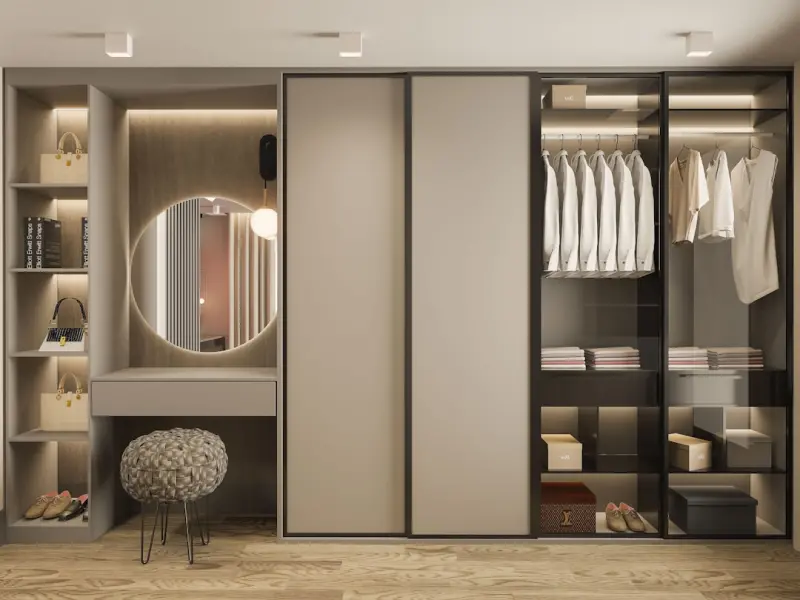
When I walk into a boutique—whether it’s a sleek downtown concept store or a pop‑up tucked into a warehouse—I can feel the tension between excitement and uncertainty. I’m thrilled to discover new pieces, yet I’m also haunted by the “what‑if” that follows every purchase: Does it truly fit my style? Will it hold up after a season? Will I actually wear it, or will it become another item lost in the back of my closet?
Over the past few years, I’ve watched a subtle but powerful transformation reshape that moment of doubt. Retailers are no longer relying solely on static images and generic size charts. They’re building immersive, data‑rich experiences that let shoppers see, feel, and even “try on” clothing without stepping foot into a fitting room. This shift is more than a novelty—it’s a redefinition of how we shop, how we curate our personal style, and how we think about the lifecycle of every garment.
The Rise of the Digital Closet
Imagine opening your phone, pointing your camera at a plain white wall, and watching a holographic version of a sweater drape over your avatar—mirroring your exact posture, lighting, and even movement. That’s the promise of the next‑generation virtual try‑on. It isn’t just a gimmick; it’s a response to three intertwined forces that have been reshaping consumer expectations:
- Time scarcity. Busy professionals like myself juggle meetings, deadlines, and personal commitments, leaving little room for lengthy in‑store explorations.
- Heightened awareness of waste. The fashion industry’s environmental footprint has become a mainstream conversation, prompting shoppers to demand smarter, more responsible buying habits.
- Data empowerment. With every swipe, click, and share, we generate a wealth of preferences that can be leveraged to personalize the shopping journey.
When these elements converge, the result is a digital closet that feels alive—constantly updating, learning, and recommending.
How the Technology Works (Without Getting Too Technical)
At the core of virtual fitting rooms are three pillars: computer‑vision imaging, body‑mapping algorithms, and real‑time rendering. In plain language, the camera captures a 3‑D silhouette of your body, the software translates that silhouette into a set of measurements, and a rendering engine projects the garment onto that model, adjusting for fabric drape and movement.
The magic lies in the details. Fabric simulation mimics how cotton stretches, how denim holds its shape, and how knits flow with motion. Lighting adaptation ensures the virtual piece looks realistic under the varied lighting conditions of your home, office, or hallway. And personalized fit profiles learn from past returns, size preferences, and even the way you move, refining suggestions over time.
This isn’t just a tech showcase; it’s a solution to a practical problem. According to recent industry surveys, return rates for online apparel hover around 30 %. Virtual try‑ons can cut that figure dramatically, saving retailers millions in logistics while delivering a smoother experience for shoppers.
Community Curation: The New Word‑of‑Mouth
While sophisticated algorithms power the visual side of the experience, the social side is equally vital. In my own shopping routine, I trust friends’ opinions more than any brand’s description. Retail platforms are tapping into that instinct by creating micro‑communities where members share “looks” curated from their digital closets. These curated collections function like modern mood boards, but they’re powered by real purchase histories and fit data.
What sets this apart from traditional influencer marketing is authenticity. Rather than polished, sponsored posts, you see genuine outfit pairings from people with similar body types, style sensibilities, and even climate considerations. When a fellow “digital closet” enthusiast recommends a jacket, you know it’s not a paid placement—it’s a piece that truly works for them, and likely for you.
This community‑driven model also fuels a feedback loop: retailers receive granular insights into how specific demographics engage with their products, allowing them to refine designs, sizing, and even marketing messages. It’s a win‑win that blends social proof with data‑backed precision.
Linking Sustainable Practices to Digital Shopping
One of the biggest criticisms of fast fashion is its contribution to waste. By enabling shoppers to make more informed choices before purchasing, virtual try‑ons directly address this issue. When you can see how a garment looks on your own body, you’re less likely to buy on impulse and more likely to choose items that truly fit your lifestyle.
To deepen the sustainable impact, many platforms are integrating eco‑friendly shopping practices into their recommendation engines. For example, a system might highlight items made from recycled fibers, or suggest second‑hand alternatives that match your preferred aesthetic. The result is a shopping journey that feels both personalized and purposeful.
The Subscription Box Evolution
Even traditional subscription models are being reinvented within this digital framework. The classic “monthly surprise” box is giving way to a curated, on‑demand experience where you can preview items in a virtual setting before they arrive. Think of it as a hybrid between a subscription service and a virtual fitting room.
By leveraging the subscription box model, retailers can offer a “try‑before‑you‑buy” service that reduces waste and boosts satisfaction. Users can accept, swap, or return items with a single tap, all while seeing a realistic representation of the product on their avatar. This approach respects both the consumer’s desire for convenience and the planet’s need for reduced material turnover.
Practical Steps for Shoppers Ready to Dive In
If you’re curious but hesitant about adopting these new tools, here’s a simple roadmap to get started:
- Upgrade your device. Modern virtual fitting rooms rely on decent camera quality and processing power. A recent smartphone or tablet will usually meet the baseline requirements.
- Set up a neutral background. A plain wall helps the software accurately capture your silhouette, leading to better fit predictions.
- Complete your profile. Fill in as many details as possible—height, weight, preferred fit (tight, relaxed, etc.). The more data you provide, the smarter the recommendations become.
- Explore community collections. Join brand‑specific forums or style circles to see how real people with similar bodies style the pieces you’re eyeing.
- Prioritize sustainability filters. Look for tags like “recycled,” “organic,” or “upcycled” within the platform’s search tools.
- Take advantage of try‑before‑you‑buy subscriptions. If a retailer offers a virtual preview, use it to confirm size and style before committing.
By following these steps, you’ll transition from a tentative browser to an empowered shopper who makes choices backed by both visual confidence and community insight.
What the Future Holds
Looking ahead, I see three developments that will deepen the marriage of technology, community, and sustainability in shopping:
- Mixed‑reality showrooms. Physical stores will evolve into hybrid spaces where you can walk through a boutique while simultaneously viewing digital overlays of items, allowing you to instantly toggle between sizes, colors, and sustainability scores.
- Dynamic inventory syncing. Real‑time data will ensure that the virtual closet reflects actual stock levels, reducing disappointment and streamlining the purchasing process.
- Cross‑platform style passports. Your digital wardrobe could travel with you across multiple retailers, making it easier to discover complementary pieces from different brands without duplicating effort.
These trends suggest a future where shopping feels less like a gamble and more like a collaborative, conscious adventure. The friction of uncertainty will fade, replaced by confidence that your choices align with your personal style, your schedule, and your values.
So the next time you find yourself scrolling through endless product pages, consider swapping that endless scroll for a quick scan of your own digital closet. You might be surprised at how much more enjoyable—and responsible—shopping can become.

Lauren Miller is a true outdoors enthusiast who has found her passion in the trades. When she's not working hard on the job, you can find her writing, camping, fishing, and exploring all that nature has to offer. A dedicated partner to her wife Beth, Lauren loves nothing more than spending quality time together and experiencing the great outdoors side by side.
Related Posts
The Rise of Curated Subscription Boxes: How Personalized Shopping Is Changing Loyalty
Explore the power of curated subscription boxes, their psychological impact, sustainability benefits... Read More
The Hidden Forces Shaping Today’s Shopping Experience
Discover the evolving forces behind modern retail—from AI assistants and virtual try‑ons to sust... Read More

Why Curated Subscription Boxes Are the Future of Smart Shopping
Subscription boxes are reshaping retail by offering personalized, sustainable, and tech‑enhanced e... Read More
Top Posts

Unlocking WordPress as a Headless Content Engine for SaaS Growth
WordPress isn’t just for blogs—learn how SaaS companies can use it as a headless content hub to power personalized experiences, streamline workflows, and dr...Read More

Tools And Fixings That Every Carpenter Needs
Carpentry is an age-old craft that has evolved over time, adapting to new materials, technologies, and techniques. A skilled carpenter knows that having the rig...Read More

How to Restore a Website From Wayback Machine
The Internet Archive’s Wayback Machine is a remarkable public repository that has captured billions of web pages since the mid‑1990s. For a site that has be...Read More

The Untapped Power of Conversational AI in B2B Digital Marketing
Conversational AI is reshaping B2B digital marketing by offering instant lead qualification, real‑time insights, and on‑the‑fly content personalization—...Read More
0 Comments
Post Comment
You will need to Login or Register to comment on this post!