

Why a Sensory Sanctuary Is the New Cornerstone of Everyday Joy
Ever walked into a room and felt an instant lift in mood, as if the space itself were whispering, “You’re exactly where you need to be”? That’s not magic—it’s the result of a deliberately cultivated sensory sanctuary. Over the past few years I’ve been on a personal quest to turn ordinary corners of my home into mini‑oases that speak to my senses, and the transformation has been nothing short of revelatory. In this post I’ll walk you through the why, the how, and the lasting impact of embracing sensory design in daily life.
1. The Science Behind Sensory Environments
Our brains are wired to respond to stimuli—light, sound, texture, scent, and even taste. When these elements align with our personal preferences, the nervous system shifts into a state of calm alertness, often referred to as “flow.” Neuroscientists call this environmental entrainment, a process where external cues synchronize our internal rhythms. The result? Lower cortisol, sharper focus, and a subtle boost in dopamine that makes everyday tasks feel less like chores and more like rituals.
2. Start Small: The Power of Micro‑Adjustments
One of the biggest myths about lifestyle upgrades is that they require massive overhauls. In reality, the most effective changes are microscopic. Consider swapping a harsh LED bulb for a warm amber lamp, or adding a few scented candles with notes of lavender and cedar. These tiny tweaks can rewire your emotional response to a space within minutes. Below are three micro‑adjustments I swear by:
- Lighting: Replace overhead fluorescents with dimmable warm lights. Natural light is best, but if that’s scarce, opt for full‑spectrum bulbs that mimic sunrise.
- Soundscape: Play ambient playlists—rainforest, soft piano, or distant waves—on a low volume. It drowns out the urban hum and creates a subtle auditory cocoon.
- Texture: Introduce a plush throw, a woven rug, or a handful of smooth river stones on a coffee table. The tactile experience grounds you in the present.
3. Curating a Personal Scent Palette
Scent is the most potent yet underutilized sense in lifestyle design. Our olfactory system is directly linked to the limbic system—the brain’s emotional hub. I experimented with essential oils, eventually settling on a trio that feels both invigorating and soothing: bergamot for a bright lift, peppermint for focus, and vanilla for comfort. A simple diffuser set on a timer ensures the aroma cycles throughout the day without becoming overpowering.
4. Sound as a Productivity Ally
When I first started working from home, the constant click‑click of my inbox was a relentless distraction. I turned to a low‑key digital toolkit that lets me embed ambient sound loops directly into my browser tabs. The result? A consistent background hum that masks disruptive noise and nudges my brain into a steady rhythm. It’s not about blasting music; it’s about curating a sonic backdrop that supports the task at hand.
5. Visual Calm: Color Psychology in Practice
Colors can either energize or pacify. For my home office, I gravitated toward muted teal and soft sage—hues that strike a balance between freshness and serenity. I painted a single accent wall, added a few teal‑tinted accessories, and kept the rest of the palette neutral. This strategy creates visual interest without overwhelming the senses, a principle that can be applied to any room, from a kitchen to a bedroom.
6. The Role of Plant Life
Plants do more than purify air; they bring a subtle, living texture that evolves daily. I started with a hardy snake plant and a trailing pothos, then expanded to a small fiddle‑leaf fig in the corner of my living room. The gentle sway of leaves in a breeze adds a kinetic element that is both calming and subtly energizing. If you’re short on space, consider hanging air‑plants—these require minimal care and still provide that green touch.
7. Crafting a Sensory Morning Routine
Morning rituals set the tone for the entire day. I’ve layered my routine with sensory cues: a glass of cool water infused with cucumber slices (taste), a brief meditation while a diffuser releases citrus (scent), and a stretch session accompanied by a sunrise simulation lamp (light). Each component is intentional, creating a cascade of positive neurochemical responses that linger long after the routine ends.
8. Evening Wind‑Down: From Screens to Sanctuary
Our evenings are often dominated by screens, which emit blue light that disrupts melatonin production. To counteract this, I’ve instituted a screen‑free zone for the last two hours before bed. Instead, I sip herbal tea, read a tactile‑rich paperback, and let a soft jazz playlist fill the air. The combination of reduced visual stimulation and soothing auditory cues tells my brain it’s time to unwind.
9. Integrating sustainable style Into Sensory Living
Style isn’t just visual; it’s also tactile. I recently swapped my fast‑fashion wardrobe for a curated capsule collection made from organic cotton, bamboo, and recycled fibers. The textures feel softer, the colors are more muted, and the knowledge that each piece has a lower environmental impact adds an invisible layer of comfort. Wearing garments that align with your values amplifies the sense of personal harmony throughout the day.
10. Smart Home Shortcuts for Seamless Flow
Technology, when used mindfully, can be an invisible hand guiding your sensory experience. I set up a few smart home shortcuts that trigger multiple actions with a single command: “Good morning” lifts the blinds, starts the coffee maker, and plays a gentle wake‑up playlist. These automations eliminate decision fatigue, allowing you to focus on the richer sensory layers you’ve built.
11. The Ripple Effect: How a Sanctuary Improves Relationships
When you feel grounded, you’re more present with those around you. My partner noticed that after I refined my sensory space, our evenings together became more relaxed and meaningful. We’ve started sharing “scent moments”—a brief pause to appreciate a favorite fragrance—turning a simple sensory cue into a shared ritual. This ripple effect extends to work relationships as well; colleagues respond better when you radiate calm confidence.
12. Measuring Success: The Feel‑Good Checklist
Unlike financial KPIs, the metrics for a sensory sanctuary are subjective but trackable:
- Mood Rating: On a scale of 1‑10, how uplifted do you feel after spending 30 minutes in your curated space?
- Focus Duration: Measure the length of uninterrupted work sessions before and after implementing soundscapes.
- Sleep Quality: Note any changes in how quickly you fall asleep and how rested you feel in the morning.
When these numbers trend upward, you know your sensory investments are paying off.
13. Keeping the Sanctuary Fresh
A sanctuary isn’t a set‑and‑forget project. Seasons change, and so do our sensory preferences. I rotate scents, switch up textiles, and update lighting fixtures quarterly. This evolution keeps the space feeling alive and prevents sensory fatigue. Remember, the goal is to remain curious and responsive to what your body and mind are craving at any given moment.
14. Final Thoughts: Your Journey Starts Now
Creating a sensory sanctuary is less about acquiring expensive décor and more about attuning to the subtle cues that make you feel alive. By integrating intentional light, sound, scent, texture, and even taste, you craft an environment that supports mental clarity, emotional balance, and creative flow. Start with one micro‑adjustment today—a new candle, a soft pillow, a calming playlist—and watch how the ripple spreads through every facet of your life.

Karen Edwards is a seasoned freelance writer with a passion for all things furry, feathered, and scaled. With a dedicated focus on pets, she brings a wealth of knowledge and a keen eye for detail to her writing.
Related Posts
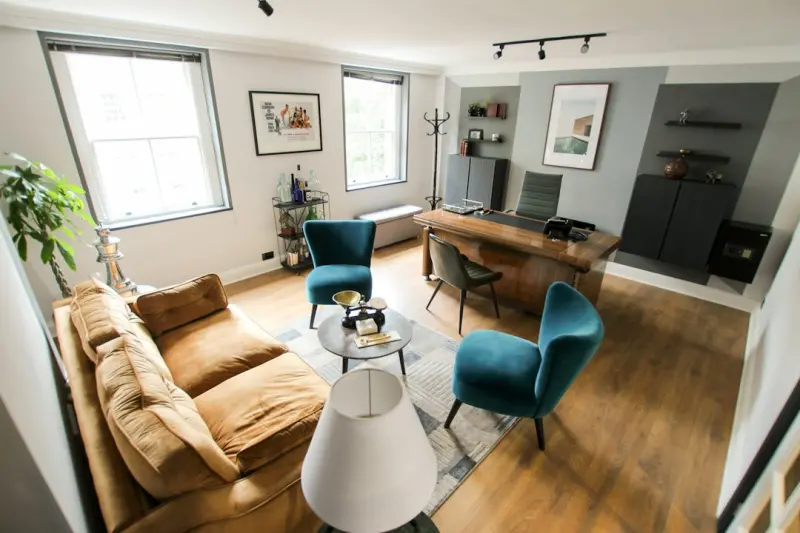
Compact Home Office Design: Big Productivity in Small Spaces
Learn practical strategies to turn a small corner of your home into a functional, inspiring officeâ€... Read More

Embracing Sustainable Elegance in Everyday Life
Embracing sustainable elegance is about finding a balance between living a luxurious life while mini... Read More

Curating Your Personal Sanctuary: Tiny Shifts for Tremendous Calm
A practical guide to building a personal sanctuary using decluttering, intentional lighting, scent, ... Read More
Top Posts

Elevate Your Everyday: A Sensory‑First Personal Care Blueprint
Learn how to transform everyday grooming into a multi‑sense ritual, using touch, aroma, sound, and mindful technology for lasting personal well‑being....Read More
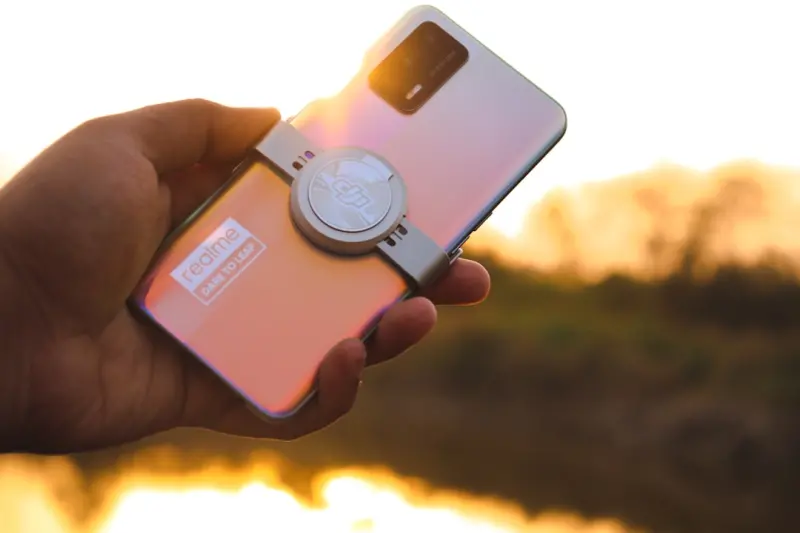
Phone‑First Productivity: Turning Your Pocket Device into a Strategic Ally
Discover practical micro‑habits, AI‑powered camera tricks, and automation strategies that let you use your smartphone as a strategic ally, boosting producti...Read More

What Makes Custom Web Design Better Than Basic Templates
A website is often the first—and sometimes the only—point of contact between a business and its audience. The design of that site therefore carries far more...Read More

LinkedIn’s Hidden Engine: Turning Conversations into SaaS Growth
Discover how SaaS founders can harness LinkedIn’s algorithm, Creator Mode, newsletters, and live video to turn everyday conversations into qualified leads and...Read More
0 Comments
Post Comment
You will need to Login or Register to comment on this post!