

Why a “One‑Touch” Home Routine Might Be Your Secret Weapon
When I first moved into my downtown loft, I was thrilled by the sleek aesthetics and the promise of a “smart” lifestyle. Yet, after a few months of juggling remote work, evening webinars, and a never‑ending to‑do list, I realized my home had become a silent competitor for my attention. The solution? Not more gadgets, but a carefully crafted one‑touch routine that lets me glide through daily chores without breaking my focus.
The Philosophy Behind “One‑Touch”
Think of it as a minimalist’s answer to the modern paradox: we have endless tools to simplify life, yet we often end up more tangled. A one‑touch routine is built on three pillars:
- Intentional placement: Store items where they naturally belong, so the next action is a literal “one‑touch” away.
- Micro‑triggers: Small cues that prompt the next step, turning a habit into a cascade.
- Zero‑decision zones: Areas of the house where the choice is already made for you—think a pre‑filled coffee station or a ready‑to‑wear outfit rack.
When each pillar aligns, you stop asking “what should I do next?” and start moving forward automatically.
Step‑by‑Step: Building Your One‑Touch Kitchen
The kitchen is the heart of any home, but it’s also the most likely place for decision fatigue. Here’s how I transformed mine into a low‑friction zone:
- Morning coffee station: I keep a single French press, a reusable coffee filter, and a small jar of pre‑measured grounds on the counter. The moment I step in, the coffee is ready to brew—no rummaging through cabinets.
- Pre‑portion pantry bins: Instead of measuring rice, pasta, or snacks each time, I use clear, labeled containers with portion‑size scoops. A quick scoop, and I’m good to go.
- Dish‑stacking zone: Directly beside the sink, I placed a shallow tray for “stack‑and‑dry” dishes. After a meal, I simply place plates in the tray, slide them into the dishwasher later, and avoid the dreaded “what to do with these?” moment.
This approach costs almost nothing but saves minutes—and mental bandwidth—every day.
Living Room: From Clutter Magnet to Calm Harbor
My living room used to be a catch‑all for everything from work notebooks to kids’ toys. The turning point was adopting a clear‑out‑once‑a‑week rule paired with strategic storage:
- “Inbox” basket: A simple woven basket near the sofa collects everything that belongs elsewhere. At the end of the week, I sort it—mail goes to the desk, toys to the play chest, stray chargers to the drawer.
- “No‑Tech” cushion: A decorative pillow with a subtle tag that reminds family members to keep phones off the coffee table during dinner. This tiny visual cue reduces the urge to scroll and keeps conversations flowing.
- Multipurpose ottoman: I chose an ottoman that doubles as hidden storage for blankets and board games. It’s a one‑touch solution for tidying up while keeping essentials within reach.
Bedroom: The Power of a Pre‑Planned Wake‑Up
Most people think of the bedroom as a sanctuary for sleep, but it’s also a launchpad for the day. I implemented two simple habits that shave off five to ten minutes each morning:
- Clothing carousel: A rotating rack holds my weekly outfits, pre‑selected on Sunday night. When the alarm rings, I pull the next outfit—no rummaging through the closet.
- Bedside “launch pad”: A small tray holds my phone (on phone‑first productivity apps), a notebook, and a pen for quick thoughts. The moment I sit up, I can capture ideas or check the day’s agenda without reaching across the room.
Bathroom: Streamlining the Morning Rush
Even a five‑minute bathroom routine can feel endless when you’re juggling a video call and a toddler’s breakfast. My tweaks include:
- Pre‑filled travel‑size containers: Shampoo, conditioner, and body wash are already measured in reusable bottles. No more guessing or spilling.
- Dual‑purpose mirror: A fog‑resistant mirror with a small shelf for toothbrushes and a whiteboard for quick reminders (e.g., “buy more toothpaste”).
- One‑touch towel hooks: Hooks at eye level mean I never have to bend or stretch to grab a towel—just a simple reach.
Leveraging Micro‑Movements for Home Fitness
While I’m not a gym enthusiast, I realized that a series of micro‑movements could double as a wellness boost. Simple actions like:
- Standing up and stretching while waiting for the coffee to brew.
- Doing calf raises while brushing teeth.
- Squatting to pick up items from the floor instead of bending over.
These tiny motions accumulate into a noticeable increase in daily activity without carving out extra “workout time.”
Paper vs. Digital: When Handwriting Still Wins
In an age where every note can be typed, I found that a handwritten grocery list still beats a digital one. The act of writing triggers memory retention and reduces the temptation to add “just in case” items. If you’re skeptical, try this experiment for a week:
- Keep a small notepad in the kitchen.
- Write down everything you need for the week—no digital apps.
- Observe how often you actually purchase the listed items versus impulsive buys.
The results are often surprising. For more insight on why the tactile approach works, see The Tangible Edge.
Creating a “No‑Decision” Zone in the Entryway
One of my most stressful moments used to be the scramble for keys, wallets, and coats every morning. I turned the entryway into a no‑decision zone by installing a sleek wall‑mounted organizer:
- Key hook with a labeled pocket: Keys go on the hook, the pocket holds a “quick‑grab” wallet.
- Shoe tray: Shoes are placed in a low tray, ready to slide under the bench.
- Rain‑coat rack: A dedicated hook for outerwear means you never have to search for it.
Now, leaving the house feels like a single, fluid motion.
Seasonal Swaps: Maintaining Freshness Year‑Round
Instead of a massive spring cleaning, I adopt a seasonal swap system. Every three months, I rotate:
- Throw pillows and blankets to match the season’s color palette.
- Plants—bringing in succulents for winter, vibrant foliage for summer.
- Scents—cinnamon candles in fall, citrus sprays in spring.
This keeps the home feeling refreshed without the overwhelm of a full‑scale overhaul.
Tech‑Light: Embracing Simple Automation Without Overcomplication
Automation doesn’t have to mean a fully connected home. I use a single smart plug to control the living‑room lamp, set on a timer that mimics sunset. It’s a subtle cue for winding down, and the simplicity avoids the pitfalls of a heavily integrated system.
Final Thoughts: The Freedom of One‑Touch Living
Adopting a one‑touch mindset isn’t about buying the latest gadget; it’s about re‑examining how your environment either fuels or drains your energy. By placing intentional triggers, eliminating needless choices, and embracing small physical actions, you reclaim precious mental space for the things that truly matter—whether that’s creative work, family time, or simply a moment of quiet.
Give it a try. Pick one area of your home, apply the principles above, and watch how quickly the “friction” fades. You might be surprised at how much smoother your day can flow with just a handful of mindful tweaks.

Robert Mathews is a professional content marketer and freelancer for many SEO agencies. In his spare time he likes to play video games, get outdoors and enjoy time with his family and friends . Read more about Robert Mathews here:
Related Posts
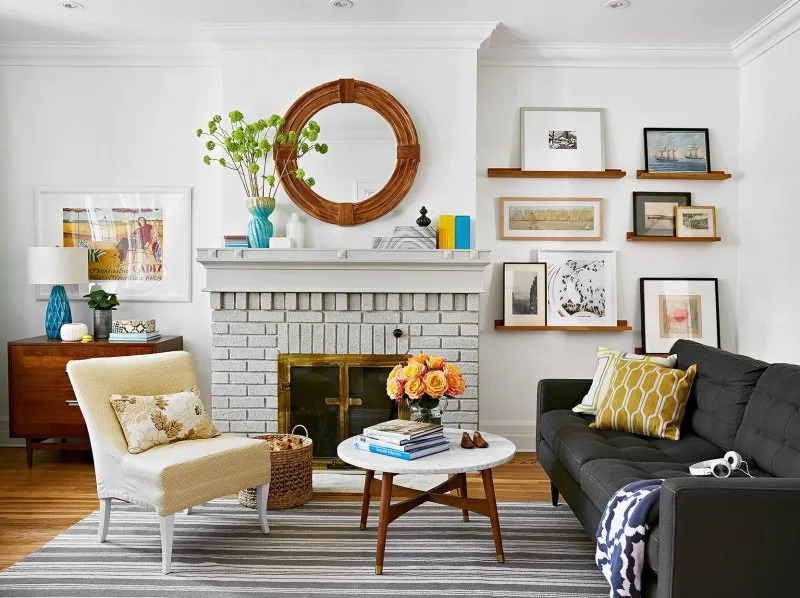
5 Easy Upgrades To Make To Your Home
Our homes are more than just structures; they are sanctuaries, creative canvases, and reflections of... Read More
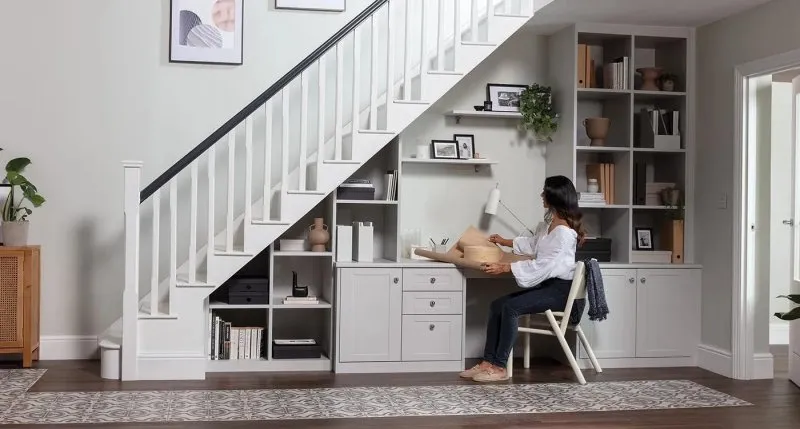
Getting the Most From Your Staircase Space
The humble staircase. For many, it’s simply the functional connector between floors, a utilitarian... Read More
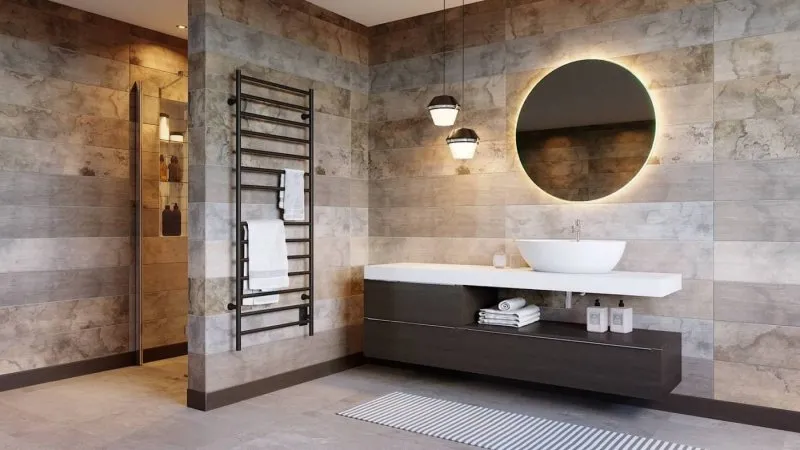
Heated Towel Rails - Why not spoil yourself
In the pursuit of creating a truly comfortable and functional home environment, attention often grav... Read More
Top Posts

Beyond the Checklist: Dynamic Strategies for Plugin Security in SaaS
A deep dive into dynamic, lifecycle‑based security for SaaS plugins, highlighting real‑time behavior profiling, permission intent mapping, and the human‑i...Read More

What Companies Need Predictive Maintenance Software?
In a world increasingly driven by data and the relentless pursuit of efficiency, the traditional approaches to asset maintenance—reactive (fix-it-when-it-brea...Read More

Raising a Generation of Eco-Warriors: Why Sustainable Living Matters for Kids
Discover the importance of sustainable living for kids and how parents can instill eco-friendly habits to create a healthier planet for future generations....Read More
Learning at the Speed of SaaS: How Adaptive Platforms Are Reshaping Enterprise Education
Adaptive learning platforms blend data, personalization, and low‑code tools to transform corporate education from static lectures into dynamic, business‑imp...Read More
0 Comments
Post Comment
You will need to Login or Register to comment on this post!