
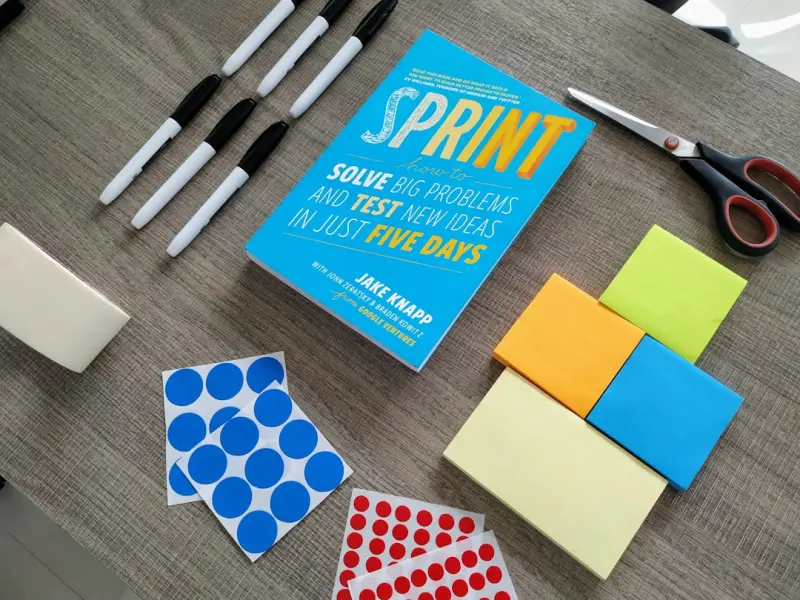
The Rise of the Creative Sprint in Classroom Culture
When I first walked onto a middle‑school hallway buzzing with the frantic energy of lockers slamming and phones pinging, I sensed an untapped rhythm that could be harnessed for learning. Traditional lesson plans, with their static slides and predictable timelines, often leave students feeling like spectators rather than participants; they crave the kinetic thrill of a sprint that pushes them to create, iterate, and showcase in real time. By borrowing the sprint model from product design and marketing, educators can transform a drab 45‑minute block into a high‑velocity, purpose‑driven experience that fuels curiosity, collaboration, and confidence.
What Exactly Is a Creative Sprint?
A creative sprint is a tightly‑structured, time‑boxed project cycle that guides learners from problem definition to prototype and feedback within a single class period or a short series of sessions. It typically follows four phases—discover, ideate, build, and reflect—each anchored by clear goals, rapid brainstorming techniques, and tangible deliverables that can be shared instantly. The magic lies in the pressure of the clock, which forces students to abandon perfectionism, embrace experimentation, and communicate ideas succinctly, mirroring the fast‑paced demands of today’s digital workplaces.
In practice, a sprint might begin with a provocative question like “How can we redesign our school’s recycling system in 30 minutes?” Students then sketch quick solutions, assemble low‑fidelity models from recycled cardboard, and present micro‑pitches to peers, receiving rapid feedback that fuels the next iteration. This iterative loop cultivates a growth mindset, because failure is no longer a final verdict but a data point that informs the next round of refinement. The result is a classroom where learning feels like a game, where momentum builds, and where the line between teacher and facilitator blurs into a shared journey of discovery.
Why Creative Sprints Supercharge Student Engagement
Research consistently shows that active, project‑based learning boosts retention by up to 75 %, and creative sprints amplify that effect by adding urgency and relevance. When students know they have a limited window to produce something tangible, their brain releases dopamine, the same chemical that fuels excitement in athletes and gamers. This neurochemical boost sharpens focus, accelerates problem‑solving, and makes the learning experience memorable long after the bell rings. Moreover, the sprint’s public showcase component provides a natural platform for peer recognition, a powerful motivator that traditional worksheets simply cannot match.
Beyond motivation, sprints develop 21st‑century competencies such as rapid ideation, collaborative communication, and digital fluency. As students move from sketching ideas on paper to prototyping with tablets or 3‑D printers, they gain hands‑on experience with tools that will dominate future workplaces. The sprint framework also mirrors real‑world agile methodologies, preparing learners not just academically but professionally, as they learn to iterate, pivot, and deliver under tight deadlines—a skill set increasingly prized across industries.
For educators seeking evidence‑based strategies, the article Embracing Creative Sprints in Modern Education offers a deep dive into case studies that illustrate measurable gains in student confidence, attendance, and test scores. Schools that have adopted sprint cycles report a noticeable dip in behavioral issues, as the structured yet dynamic environment channels restless energy into purposeful creation rather than distraction. In short, the creative sprint is not a gimmick; it is a pedagogical catalyst that transforms passive listeners into active innovators.
Implementing a Sprint: A Step‑by‑Step Playbook for Teachers
Start by carving out a dedicated sprint window—ideally 45 minutes to an hour—and communicate the sprint’s purpose, timeline, and expected outcomes to students at the outset. Provide a concise brief that outlines the challenge, any constraints, and the resources available; clarity here reduces confusion and maximizes focus. Next, facilitate a rapid “discover” phase where learners gather insights, ask clarifying questions, and define success criteria, using sticky notes or digital boards to capture ideas in real time.
During the “ideate” stage, encourage divergent thinking by prompting students to generate as many solutions as possible, no matter how wild. Techniques like “worst‑possible idea” or “brainwriting” keep the energy high and prevent early convergence. Once a shortlist of promising concepts emerges, guide the class into the “build” phase, where teams select a single idea and create a low‑fidelity prototype using readily available materials—paper, markers, or simple software tools.
The final “reflect” segment is crucial: allocate time for each group to present their prototype, receive peer feedback, and articulate what they would improve if given another sprint. Capture these reflections on a shared document or classroom wiki so that insights become part of a living knowledge base. This iterative loop not only reinforces learning but also builds a culture of continuous improvement, a habit that extends beyond the classroom walls.
Tech Tools That Accelerate the Sprint Experience
Digital platforms can dramatically streamline sprint logistics, from idea capture to prototype sharing. Collaborative whiteboards such as Miro or Jamboard let students brainstorm simultaneously, regardless of where they sit, while cloud‑based design tools like Canva or Figma enable rapid visual mock‑ups without the need for advanced technical skills. For schools with limited budgets, free alternatives like Google Slides combined with the next wave of SEO mindset can still provide a robust environment for iteration and feedback.
When integrating technology, keep the focus on the sprint’s core principle: speed. Set timers on the classroom projector, use countdown apps, and embed quick polls to gauge group consensus in real time. Moreover, consider using learning management systems (LMS) to host sprint artifacts, allowing students to revisit and refine their work after the sprint ends. This creates a repository of “sprint portfolios” that can be showcased during parent‑teacher conferences or college applications, turning each sprint into a tangible credential.
The Teacher’s Mindset Shift: From Gatekeeper to Sprint Coach
Adopting creative sprints requires educators to relinquish some control and embrace a coaching role, guiding students rather than dictating every step. This shift can feel uncomfortable at first; the instinct to provide exhaustive explanations or pre‑written solutions must be replaced with strategic questioning that sparks autonomy. Effective sprint coaches ask open‑ended prompts like “What constraints could you turn into advantages?” or “How might you test this idea quickly?” to keep learners moving forward without getting stuck.
Professional development is essential for this transition. Attend workshops on agile pedagogy, join online communities of sprint‑savvy teachers, and experiment with low‑stakes pilot sprints in elective classes before scaling up to core subjects. By modeling the sprint mindset—celebrating failures as learning moments and iterating relentlessly—teachers signal that growth is a continuous journey, not a fixed destination. This cultural shift ripples through the school, inspiring administrators, support staff, and even parents to view education as a dynamic, collaborative ecosystem.
Measuring Success: Data, Reflection, and Celebration
To justify sprint adoption, educators need concrete metrics that capture both academic outcomes and soft skills. Traditional assessments can be complemented with rubrics that evaluate creativity, teamwork, and adaptability, each weighted according to the sprint’s learning objectives. Additionally, capture pre‑ and post‑sprint surveys to gauge changes in student confidence, engagement, and perceived relevance of the material. Over time, these data points reveal trends that can inform curriculum adjustments and professional development needs.
Beyond numbers, qualitative evidence—student testimonials, video recordings of presentations, and peer‑review comments—paints a richer picture of the sprint’s impact. Celebrate successes publicly through school newsletters, digital showcases, or community exhibitions, turning each sprint into a milestone that reinforces a culture of achievement. When students see their work valued beyond the classroom, they internalize the belief that their ideas matter, fueling a lifelong passion for learning and creation.
Looking Ahead: Scaling Creative Sprints Across the District
Imagine a district where every grade level incorporates sprint cycles, creating a seamless pipeline of innovation from kindergarten to high school. Such a vision requires strategic planning: aligning sprint timelines with standardized testing windows, providing teachers with shared resource libraries, and establishing mentorship programs where experienced sprint coaches support newcomers. Partnerships with local businesses and universities can also enrich sprints, offering real‑world challenges that deepen relevance and provide authentic audience feedback.
Ultimately, the goal is not just to adopt a trendy instructional tactic, but to embed a mindset of rapid, purposeful creation into the very fabric of education. By doing so, we prepare students to navigate a world where change is constant, problems are complex, and solutions demand both creativity and speed. The creative sprint is the bridge between traditional knowledge acquisition and the agile, collaborative future that awaits our learners.

Brad Hays is a freelance writer known for his versatile skill set and ability to craft compelling content across a wide range of industries.
Related Posts

The Tangible Edge: Why Handwritten Learning Beats Digital Overload
A deep dive into why the physical act of writing, sketching, and sharing notebooks can dramatically ... Read More

Digital Education: Reshaping Professional Competency Through Online Computer Education
The digital economy is defined by its relentless pace of innovation. In this landscape, proficiency ... Read More
The Future of Education: Navigating the Changing Landscape of Learning
The world of education is undergoing a significant transformation. Learn about the future of educati... Read More
Top Posts

Zero‑Waste Personal Care: Building a Sustainable Grooming Routine
Learn how to transform your daily grooming habits into a sustainable, high‑performing routine with refillable containers, reusable tools, and smart tech, all ...Read More

Turning Support Conversations into Marketing Gold
Support tickets aren’t just problem‑solving tools—they’re untapped storytelling gold. Learn how to capture, validate, and repurpose post‑support conve...Read More

Getting Your House Ready for Winter: A Comprehensive Guide
As the vibrant palette of autumn gives way to the stark, elegant beauty of winter, a shift occurs not just in the landscape but in the responsibilities of a hom...Read More
Curating a Capsule Shoe Collection: The Art of Doing Less, Walking More
Learn to trim your shoe closet to essential, versatile pairs that blend style, comfort, and sustainability, turning every step into a confident statement....Read More
0 Comments
Post Comment
You will need to Login or Register to comment on this post!