

Why Branding is No Longer About a Pretty Logo
When most people think about branding they picture a sleek logo, a catchy tagline, and maybe a brand‑book PDF that lives on a dusty server. In the SaaS world that mindset is dangerously outdated. Your product lives in the daily workflow of your customers, and every interaction—from onboarding screens to the way error messages are phrased—contributes to the mental picture customers hold of your company. In other words, branding has become an experience, not a static visual cue.
The Shift from Visual Identity to Experiential Identity
Historically, visual identity was the cornerstone of brand strategy. Companies poured millions into redesigning logos, choosing brand colors, and commissioning photogenic ad campaigns. That approach still has value, but it’s now the tip of an iceberg that’s largely invisible to the end user. The real brand equity lives in moments that feel personal, reliable, and aligned with the user’s goals. Those moments are the sum of:
- Consistent language. Whether it’s an email, an in‑app notification, or a support ticket, the tone of voice should feel like a single, trustworthy partner.
- Predictable performance. A brand promise of “fast” means milliseconds of latency, not just a claim on a splash page.
- Human‑centric design. Interfaces that anticipate user needs reduce friction and reinforce the feeling that the product “gets” you.
When these elements align, users start to associate your brand with a feeling rather than a picture. That feeling becomes a powerful differentiator—especially in saturated B2B markets where feature parity is common.
Storytelling in the Product UI
Storytelling isn’t reserved for marketing emails or blog posts. It’s a tool you can embed directly into the user interface. Think about a progress bar that celebrates a user’s first 10‑minute session with a subtle confetti animation. Or an onboarding wizard that narrates a short story about how a fictional team solved a real‑world problem using your platform. These micro‑stories reinforce the brand’s core promise: empowering results with minimal effort.
Building Trust Through Transparency
Trust is the silent engine of any brand. In SaaS, where customers often hand over sensitive data, transparency can be a brand‑building superpower. Simple tactics—like a live status page that shows system health in real time, or an in‑app “what’s new” feed that explains each new feature—turn potentially opaque processes into opportunities for brand reinforcement.
Transparency also extends to pricing. When users understand exactly what they’re paying for, the perception of hidden fees evaporates, and the brand is seen as honest. That honesty becomes part of the brand’s DNA and is communicated without a single graphic element.
Leveraging Community as an Extension of Brand
Modern SaaS buyers are not lone decision‑makers; they belong to communities—online forums, Slack channels, industry groups. When you nurture these ecosystems, you let your brand live in the conversation itself. Community‑generated content (like user‑authored tutorials or case studies) acts as social proof that amplifies your brand story.
Facilitating user‑to‑user mentorship programs or “office hours” with product experts turns your customers into brand ambassadors. Those ambassadors, speaking in their own voice, become the most authentic representation of your brand.
Data‑Driven Brand Optimization
Just as product teams iterate on features based on usage metrics, branding should be an ongoing experiment. Tools that track user sentiment in real time—such as NPS surveys embedded in the product, sentiment analysis of support tickets, or heat‑maps of onboarding flows—provide quantitative feedback on how your brand is perceived.
When a particular UI element consistently triggers confusion, that’s a brand leak. Fixing it not only improves usability but also strengthens the brand promise of “clarity”. The same principle applies to positive signals: if users repeatedly praise a specific workflow, highlight it in your marketing to reinforce the brand narrative.
Internal Alignment: The Brand Lives Inside Your Team
A brand is only as strong as the people who embody it. If your sales, support, and engineering teams speak in different tones, customers will sense the dissonance. Conduct regular “brand immersion” workshops where every department experiences the product from a new user’s perspective and aligns on the core brand values.
In practice, this might mean creating a shared brand voice guide that includes examples of good and bad copy, a list of “brand verbs” (e.g., empower, simplify, accelerate), and a decision‑tree for tone selection based on user context. When the whole organization speaks with a unified voice, the brand becomes a living, breathing entity rather than a marketing afterthought.
Measuring the ROI of Experiential Branding
It’s easy to ask, “How do we justify the time spent on brand experience?” The answer lies in linking brand metrics to business outcomes. Some practical ways to do that include:
- Customer Lifetime Value (CLV) uplift. Brands that consistently deliver a delightful experience see higher renewal rates.
- Referral velocity. Satisfied users are more likely to recommend your product, reducing CAC.
- Support cost reduction. Clear, empathetic communication lowers the volume of support tickets, directly saving dollars.
By tracking these KPIs before and after a branding initiative, you can quantify the financial impact of experiential branding.
Case Study: Turning Inboxes into Conversation Hubs
One SaaS company transformed its email outreach from a one‑way broadcast into a two‑way conversation hub. By integrating dynamic content that referenced user activity and offering real‑time chat options directly from the email, the brand shifted from “we’re sending you updates” to “we’re here to help you succeed”. The result was a 30% lift in click‑through rates and a noticeable boost in renewal conversations. You can read more about the approach in our future of email marketing article.
Case Study: Harnessing the Data‑Sovereignty Edge
Another SaaS firm leveraged the narrative of data sovereignty as a brand differentiator. By positioning its platform as the “unsung hero of data control”, the company spoke directly to security‑concerned buyers. The branding message was woven into product dialogs, compliance dashboards, and even the naming of features. This cohesive story helped the firm win contracts with enterprises that had previously been hesitant to adopt cloud solutions. Details are explored in the data sovereignty advantage post.
Practical Steps to Start an Experiential Branding Journey
- Audit the current experience. Map every customer touchpoint—from website landing pages to post‑support surveys—and evaluate the consistency of tone, visual cues, and promise fulfillment.
- Define a brand promise that is measurable. Instead of “We are innovative”, try “We reduce onboarding time by 40% for new users”.
- Create micro‑moments of delight. Identify low‑effort, high‑impact gestures—like a welcome video, a personalized success plan, or a surprise feature tip.
- Align internal teams. Host cross‑functional workshops to teach the brand language and embed it in SOPs.
- Set up feedback loops. Use in‑product surveys, sentiment analysis, and usage data to continuously refine the brand experience.
Conclusion: Branding as a Continuous Conversation
Branding is no longer a quarterly campaign; it’s an ongoing dialogue woven into every line of code, every support ticket, and every community post. When you treat branding as an experience—transparent, human, and data‑informed—you create a competitive moat that can’t be copied by a simple logo redesign. The payoff is a brand that not only attracts customers but keeps them coming back, advocates for you, and helps you grow sustainably.

Shawn DesRochers is a certified Microsoft technician and Programmer with 30+ year's experience. He has written many reviews on computer related products, software, and SEO related topics. When he's not writing reviews he can be found at one of the Oldest Directories Online Blogging Fusion Business Directory which he is the CEO of.
Related Posts
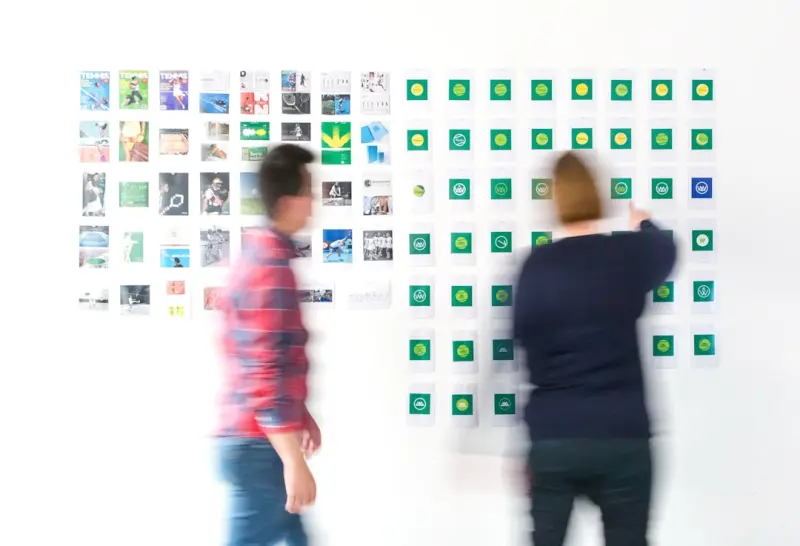
The Sensory Blueprint: Re‑imagining Brand Identity for Remote‑First Experiences
A fresh look at branding beyond visuals, showing how scent, sound, and tactile cues—combined with ... Read More
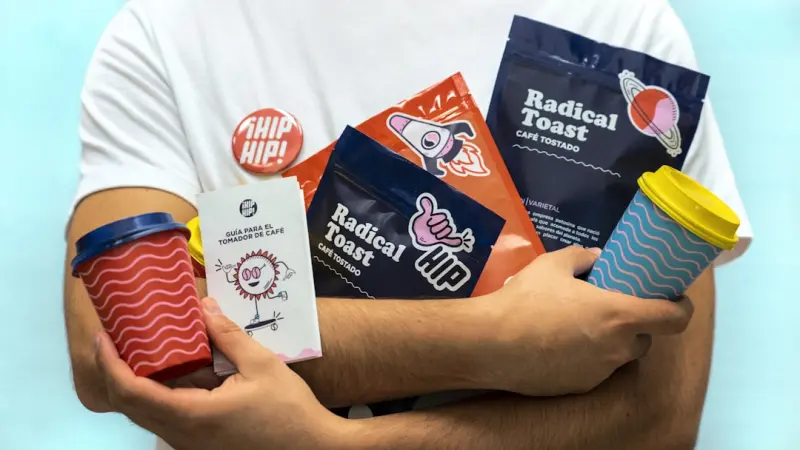
The Secret Playbook for Building a Brand That Lives in the Mind
A deep dive into the hidden costs of inconsistency, the power of archetypes, sensory branding, and c... Read More
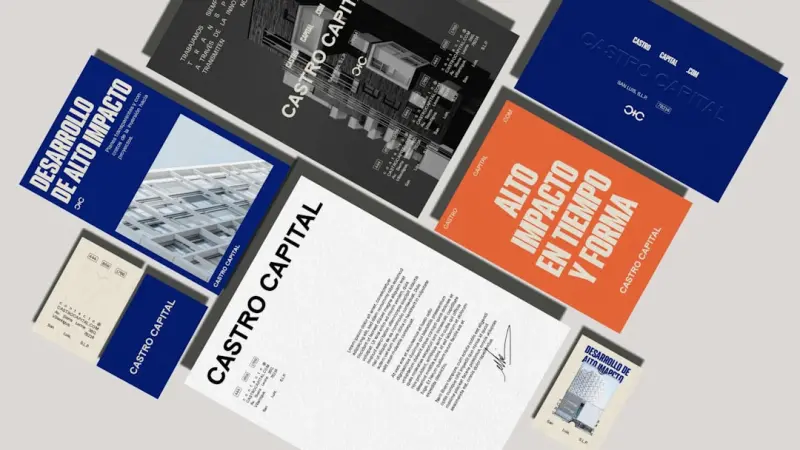
The Sprint Mindset: Redefining Modern Branding for Speed and Impact
Learn how applying a sprint mindset to branding can boost speed, relevance, and community engagement... Read More
Top Posts

Crafting a Future‑Ready Toolkit: How Smart Tool Choices Supercharge Your Workflow
Learn the strategy behind selecting, integrating, and evolving the tools that power modern creators, from AI‑driven design to mobile‑first utilities....Read More

Why Cloud Gaming is the Indie Developer’s Secret Weapon
Indie game makers are harnessing cloud gaming to slash costs, scale globally, and deliver smoother multiplayer experiences, unlocking new creative possibilities...Read More

When Beauty Meets Gadgets: How Wearable Tech Is Redefining Skincare
Wearable beauty tech turns skin care into a real‑time conversation, offering personalized insights, community challenges, and proactive routines that empower ...Read More
How To Transform Modern Business Strategy
Embrace a slower pace to boost profitability, employee wellness, and brand loyalty—learn the strategic advantages of slow‑living for modern businesses....Read More
0 Comments
Post Comment
You will need to Login or Register to comment on this post!