
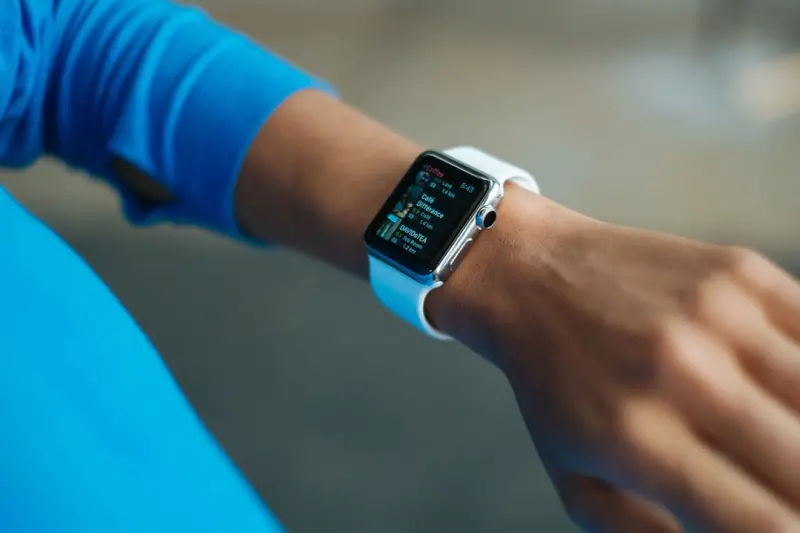
Why Biofeedback Wearables Are the Next Frontier in Preventive Health
When I first slipped a sleek, skin‑tight band onto my wrist during a marathon training session, I expected the usual heart‑rate readout. What I got instead was a flood of real‑time data about my respiration, skin temperature, and even subtle shifts in my micro‑movements. The experience was a wake‑up call: health is no longer a set of isolated lab tests, but a continuous conversation between our bodies and the devices that listen.
In the past decade, wearables have graduated from novelty gadgets to essential tools for athletes, clinicians, and anyone curious about their own physiology. But the wave we’re on now is deeper than step counts and sleep scores. It’s about biofeedback – the loop where a device measures a biological signal, feeds it back to the user, and prompts an immediate adjustment. This feedback loop empowers us to intervene before a symptom becomes a problem.
The Science Behind Biofeedback: From Lab Bench to Wristband
Biofeedback isn’t a new concept. Researchers have been using EEG caps and EMG sensors for decades to teach patients how to control muscle tension or brainwave patterns. What’s changed is the accessibility of the technology. Miniaturized sensors, low‑power chips, and AI‑driven analytics have collapsed the lab into a pocket‑sized form factor.
- Electrodermal activity (EDA) sensors capture sweat‑induced skin conductance, a proxy for stress levels.
- Photoplethysmography (PPG) uses light to gauge blood volume changes, delivering heart‑rate variability (HRV) data that reflects autonomic balance.
- Accelerometers and gyroscopes track posture and micro‑movements, flagging patterns that can lead to musculoskeletal strain.
When these signals are fused with machine‑learning models, the wearables can translate raw numbers into actionable insights: “Take three deep breaths,” “Stand up and stretch,” or “Hydrate now.” The feedback is instantaneous, turning abstract metrics into concrete actions.
From Reactive to Proactive: Real‑World Use Cases
Let’s explore three scenarios where biofeedback is already shifting the health paradigm.
1. Stress Management in the Modern Office
Open‑plan offices, endless Zoom calls, and the constant ping of notifications create a perfect storm for chronic stress. Traditional wellness programs often rely on annual surveys or occasional workshops, which miss the moment‑to‑moment spikes that accumulate over weeks.
Wearables equipped with EDA sensors can detect stress peaks the second they happen. The device then nudges the user with a short breathing exercise or a mindful pause. Over weeks, the data aggregates into a stress‑heatmap, giving both employee and employer a visual of high‑stress zones and the efficacy of interventions.
2. Post‑Surgical Recovery at Home
Patients discharged after orthopedic surgery face a delicate balance: move enough to promote healing, but not so much that they risk re‑injury. Remote monitoring platforms now integrate wearable biofeedback to track range of motion, gait symmetry, and even localized inflammation via skin temperature.
When a deviation from the prescribed recovery trajectory is detected, an automated alert prompts a tele‑consultation, allowing clinicians to adjust physiotherapy plans in real time. This approach reduces readmission rates and shortens overall recovery time.
3. Athletic Performance Optimization
Elite athletes have long used lab‑based testing to fine‑tune training. Today, biofeedback wearables bring that precision to daily practice. By continuously monitoring HRV, respiration, and muscular fatigue, athletes can modulate intensity on the fly, preventing overtraining and enhancing peak performance windows.
Coaches now rely on aggregated data dashboards to design periodized training plans that respond to each athlete’s unique physiological rhythm, rather than a one‑size‑fits‑all schedule.
Data Privacy and Ethics: A Balancing Act
While biofeedback wearables promise a healthier future, they also generate a goldmine of intimate data. The line between helpful personalization and invasive surveillance can blur quickly. Developers must embed privacy by design, ensuring that users retain control over who sees their data and for what purpose.
For a deep dive into safeguarding personal data in the digital age, check out our guide on personal data hygiene for health apps. The principles outlined there—transparent consent flows, end‑to‑end encryption, and easy data deletion—apply directly to wearable ecosystems.
Integrating Wearables into Clinical Workflows
One of the biggest hurdles remains the translation of consumer‑grade data into clinically actionable information. Here are three steps that health systems can take to bridge the gap:
- Standardized Data Formats: Adopt interoperable standards like FHIR (Fast Healthcare Interoperability Resources) to ensure that wearable data streams seamlessly into electronic health records (EHRs).
- Clinician‑Friendly Dashboards: Present insights in a concise format—think risk scores or trend arrows—so providers can make rapid decisions without sifting through raw metrics.
- Evidence‑Based Alerts: Use validated thresholds for alerts (e.g., sustained HRV drop beyond 20% of baseline) to avoid alarm fatigue.
When these components click, wearables evolve from a personal gadget into a diagnostic adjunct, enriching the clinician’s toolkit without adding administrative burden.
The Role of AI in Enhancing Biofeedback Accuracy
Artificial intelligence is the silent workhorse that turns noisy sensor data into reliable health signals. Deep learning models trained on millions of data points can distinguish between a benign heart‑rate elevation (like climbing stairs) and a potentially dangerous arrhythmia.
Moreover, AI can personalize the feedback loop. Instead of generic prompts, the system learns each user’s response patterns—some may benefit from a brief meditation, others from a quick walk. Over time, the device’s recommendations become increasingly fine‑tuned, mirroring the adaptive nature of a human coach.
Beyond the Wrist: Emerging Biofeedback Modalities
While wristbands dominate the market, innovation is spreading to other form factors:
- Smart Clothing: Garments woven with conductive fibers can monitor respiration, muscle activation, and even blood oxygen saturation across larger body areas.
- Skin Patches: Adhesive patches that continuously sample glucose, lactate, or cortisol provide biochemical feedback without the need for finger pricks.
- Implantable Sensors: Tiny devices placed under the skin can deliver ultra‑long‑term monitoring of cardiovascular metrics, opening doors for chronic disease management.
These modalities broaden the biofeedback landscape, making it possible to capture a richer tapestry of physiological signals.
Challenges to Adoption—and How to Overcome Them
Even with compelling benefits, several barriers can slow adoption:
- Cost: High‑end wearables can be pricey. Partnerships with insurers or employer wellness programs can subsidize devices for high‑risk populations.
- User Engagement: Long‑term adherence drops if feedback feels intrusive or irrelevant. Gamification, social sharing (with consent), and clear health outcomes can sustain interest.
- Regulatory Landscape: Devices that claim diagnostic value may fall under medical device regulations. Early collaboration with regulatory bodies ensures compliance without stifling innovation.
By addressing these hurdles head‑on, stakeholders can unlock the full potential of biofeedback for public health.
Looking Ahead: The Future of Biofeedback in Public Health
Imagine a world where city‑wide health dashboards aggregate anonymized biofeedback data, spotting emerging trends like rising stress levels in a neighborhood after a major event. Public health officials could then deploy targeted interventions—community mindfulness sessions, pop‑up hydration stations, or temporary traffic calming measures—to mitigate the impact before it spirals.
Such a vision hinges on ethical data stewardship, robust anonymization, and transparent governance. It also requires cross‑sector collaboration: tech firms, healthcare providers, policymakers, and citizens working together to turn individual signals into collective insight.
Takeaway: Start Small, Think Big
The biofeedback wearable revolution isn’t about buying the latest gadget and expecting instant miracles. It’s about cultivating a habit of listening to your body, using data as a guide rather than a verdict. Whether you’re a busy professional seeking stress relief, an athlete chasing marginal gains, or a patient navigating recovery, the feedback loop can become your personal health compass.
Start by choosing a device that aligns with your goals, set realistic expectations, and integrate the insights into everyday routines. As the technology matures, the ecosystem will expand, offering richer data, smarter AI, and deeper integration with healthcare systems. The future of preventive health is already on your wrist—listen, act, and thrive.
For more on how transparency in product ingredients can influence health decisions, explore decoding ingredient transparency in modern beauty. Understanding what you put on your skin is another layer of the biofeedback conversation, completing the loop between external exposure and internal response.

Miranda Murphy: Experienced freelance writer with a decade of storytelling expertise. Let's create something amazing together!
Related Posts

The Impact of Technology on Mental Health
The impact of technology on mental health is a complex and multifaceted issue. Learn about the posit... Read More
4 Electric Toothbrushes that give you a Whiter Smile
Discover the top 4 electric toothbrushes that effectively remove stains and polish your teeth for a ... Read More

What Happens to Your Blood Pressure When You Drink Coffee Every Day?
Coffee, the beloved morning ritual for millions, is more than just a pick-me-up; it's a complex brew... Read More
Top Posts

Guarding Against Deepfake Impersonation in Business Communications
Deepfake impersonation can fool even seasoned executives. This article explains the technology, its impact on organizations, and offers a layered verification a...Read More

Unlocking the Power of Haptic Feedback in Mobile Apps
Discover how tactile cues in mobile apps can enhance user trust, accessibility, and retention. Learn design best practices, real‑world examples, and future tr...Read More

Navigating the Insurance Maze: Why Comparisons are Key to Finding the Right Fit
Choosing the right insurance policy can feel like navigating a complex maze. From auto and home to health and life, the sheer volume of options and varying cove...Read More
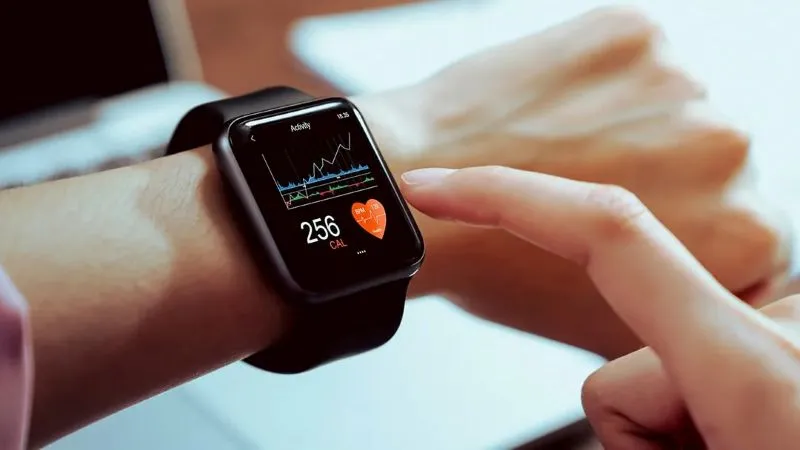
Digital Smartwatches Are An Indispensable Tool for Proactive Health Management
In an era defined by rapid technological advancement, the convergence of personal technology and healthcare has introduced revolutionary tools designed to empow...Read More
0 Comments
Post Comment
You will need to Login or Register to comment on this post!