

When I first stepped into a boutique makeup counter, the scent of fresh foundations and the soft hum of conversation felt almost ritualistic. Fast forward a few years, and that same counter now greets you with a sleek tablet, a virtual mirror, and a recommendation engine that knows you better than your own bathroom shelf. The beauty industry is undergoing a seismic shift, powered by artificial intelligence, augmented reality, and a renewed focus on community‑driven authenticity. In this piece, I’ll walk you through the technologies reshaping how we discover, experiment, and commit to cosmetics—while keeping an eye on sustainability and inclusivity.
The Digital Beauty Renaissance
For decades, beauty has been about tactile experiences: swatching a lipstick, feeling the texture of a cream, or watching a tutorial in a glossy magazine. Today, those experiences are migrating online, but they’re not disappearing—they’re evolving. Brands that once relied solely on in‑store testers are now deploying AI‑powered skin analysis tools that assess hydration, oiliness, and even pigment levels with a selfie. The result? A hyper‑personalized product recommendation that feels tailor‑made.
But personalization is only the tip of the iceberg. The real magic happens when AI meets augmented reality (AR). Imagine a shopper who can instantly see how a bold, matte berry lip shade looks on their own lips without ever touching a physical product. That instant feedback loop not only reduces return rates but also builds confidence—a crucial factor in a market where consumers are increasingly skeptical of one‑size‑fits‑all solutions.
AI‑Driven Personalization: From Data to Dew Drops
The core of AI personalization lies in data—vast, granular, and ethically sourced. By aggregating information from skin scans, purchase histories, and even social media sentiment, algorithms can predict which ingredients will resonate with a user’s unique biology. This isn’t just about recommending a “best‑selling” serum; it’s about curating a regimen that aligns with a user’s specific concerns, whether that’s hyperpigmentation, fine lines, or a desire for a radiant glow.
One standout example is the emergence of “smart” foundations that adjust their shade in real time based on lighting conditions. Leveraging machine learning, these foundations can detect the undertone shifts that occur under daylight, office lighting, or evening glow, ensuring a seamless match throughout the day. The technology mirrors the precision once reserved for high‑end dermatology, democratizing it for the average consumer.
Brands that embrace this technology also gain a competitive edge in supply chain efficiency. By forecasting demand for specific shades or formulas, manufacturers can reduce over‑production, a common culprit of waste in the cosmetics sector. It’s a win‑win: customers receive products that truly suit them, and the planet benefits from a leaner manufacturing process.
Augmented Reality Try‑Ons: The New Mirror
AR try‑on experiences have moved beyond novelty. They’re now a cornerstone of the online shopping journey. A user can launch an app, point their phone’s camera at their face, and instantly see a suite of products—eyeshadows, lipsticks, highlighters—layered onto their skin with realistic lighting and texture. The technology has matured to the point where it can simulate the subtle way a product interacts with different skin types, from oily T‑zones to dry cheeks.
What makes AR especially compelling is its ability to foster experimentation without the fear of waste. Millennials and Gen Z shoppers, who are statistically more inclined to try bold colors and unconventional trends, now have a safe sandbox to explore. This freedom fuels a culture of creativity that feeds back into social media, where users share their virtual looks, driving organic brand awareness.
For retailers, AR data is a goldmine. By tracking which shades users linger on, how long they interact with each product, and which combinations they share, brands can refine their marketing messages and inventory decisions. It’s a loop of insight that turns every virtual try‑on into actionable intelligence.
Data‑Driven Inclusivity: Shades for Every Story
The beauty industry’s history with inclusivity has been, at best, a patchwork of incremental progress. The advent of AI is finally giving brands the tools to close that gap. Instead of relying on a limited set of shade ranges, AI can analyze millions of skin tone data points to generate a truly expansive palette.
Take the example of foundation matching. Traditional methods often involve a handful of pre‑selected swatches. AI, however, can map the nuanced spectrum of human skin—capturing undertones that sit between the standard “warm” and “cool” labels. The outcome is a foundation line that offers 40, 50, or even 100 shades, each meticulously formulated to reflect the diverse beauty of global consumers.
This data‑first approach also extends to marketing. Brands can create targeted campaigns that celebrate specific cultural aesthetics, using insights gathered from regional trends and preferences. By doing so, they move beyond tokenism and foster genuine representation.
Sustainable Packaging Meets Tech: The Circular Beauty Loop
While AI and AR dominate the conversation, sustainability remains a non‑negotiable pillar for modern beauty brands. The integration of smart packaging—think RFID tags that signal when a product is nearing its expiration or QR codes that guide consumers on proper recycling—bridges technology with eco‑responsibility.
Smart packaging can also enable refill ecosystems. By embedding sensors that track product usage, brands can prompt users to order refills before they run out, reducing the need for single‑use containers. This data-driven refill model not only enhances convenience but also minimizes packaging waste, aligning with the growing consumer demand for zero‑waste solutions.
In addition, blockchain technology is emerging as a transparency tool, allowing shoppers to verify the sourcing and lifecycle of ingredients. When a consumer scans a product’s QR code, they can see a ledger that details everything from farm‑to‑bottle, reinforcing trust and reinforcing a brand’s sustainability narrative.
The Role of Community in Beauty Innovation
Technology isn’t the only driver of change; community engagement is equally transformative. Beauty enthusiasts are no longer passive recipients of brand messaging—they’re co‑creators. Brands that cultivate vibrant online forums, beta‑testing panels, and user‑generated content pipelines tap into a wellspring of authentic feedback.
One powerful illustration is the rise of “beauty hack” communities where members experiment with product combinations and share results. By listening to these micro‑trends, brands can quickly identify emerging preferences—like the recent surge in hybrid skincare‑makeup hybrids—and iterate on product development accordingly.
In this context, the Unlocking the Power of Community‑First Wellness: A Fresh Playbook offers a roadmap for brands to embed community feedback loops into their R&D pipelines. It emphasizes transparency, rewarding contributors, and creating a sense of ownership that turns loyal customers into brand ambassadors.
AI Energy Solutions: An Unexpected Ally for Beauty Brands
While sustainability often conjures images of recycled packaging, the energy footprint of production facilities is a hidden yet critical factor. Leveraging AI‑driven energy platforms can dramatically reduce a brand’s carbon emissions, ensuring that the journey from lab to shelf is as green as possible.
For instance, AI can optimize lighting, heating, and equipment schedules in manufacturing plants, cutting energy waste by up to 30%. Moreover, predictive maintenance powered by AI prevents equipment failures that could lead to product loss or increased emissions. The Powering the Future: How AI‑Driven Energy Platforms Are Redefining Business Resilience delves deeper into these efficiencies, highlighting how they translate into lower operational costs and a stronger brand reputation.
Looking Ahead: The Confluence of Beauty, Tech, and Purpose
We stand at a crossroads where technology, sustainability, and community intersect to redefine beauty. The future isn’t about a single breakthrough; it’s about an ecosystem where AI tailors products to individual skin chemistry, AR empowers safe exploration, data fuels inclusive shade ranges, smart packaging closes the circular loop, and community co‑creates the next wave of trends.
For brands willing to embrace this multifaceted evolution, the reward is more than market share—it’s a deeper, more meaningful connection with consumers who demand authenticity, performance, and responsibility in equal measure. As we continue to blur the lines between the digital and the physical, the mirror of the future will reflect not just how we look, but how we value ourselves and the world around us.

Shawn DesRochers is a certified Microsoft technician and Programmer with 30+ year's experience. He has written many reviews on computer related products, software, and SEO related topics. When he's not writing reviews he can be found at one of the Oldest Directories Online Blogging Fusion Business Directory which he is the CEO of.
Related Posts
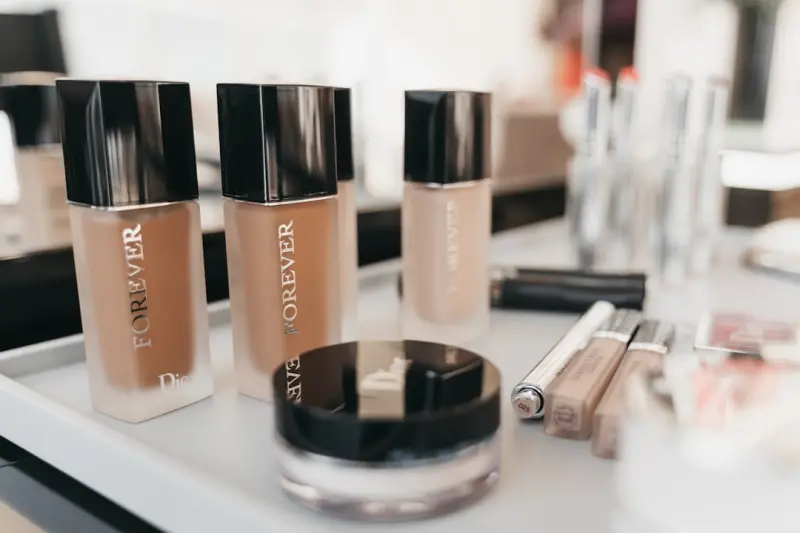
Skin‑First Beauty: Building a Flawless Base Without Masking Your Glow
Learn how to nurture your skin barrier, choose transparent ingredients, and layer products for a rad... Read More
The Rise of Ingredient Transparency: Why Clean Beauty Is the New Luxury
Consumers now demand full disclosure of every ingredient in their beauty products. This post uncover... Read More
Why Gel Polish Works So Well for an Active, Stylish Lifestyle
In today’s fast‑paced world, the modern individual balances demanding professional responsibilit... Read More
Top Posts

The Silent Surge: AI‑Powered Micro‑Personalization Is Redefining B2B Email Campaigns
Mei Chen shares a practical roadmap for using AI to deliver hyper‑personalized B2B emails, from signal collection to human oversight, while balancing privacy ...Read More

Raising the Roof: Redefining Team Celebrations in the Remote SaaS Era
Discover a practical playbook for turning remote team achievements into memorable, inclusive celebrations that reinforce culture, improve retention, and fuel fu...Read More
Reviving Your Home: Small-Scale Upgrades That Pack a Big Punch
Karen shares practical, low‑cost upgrades—from layered lighting to peel‑and‑stick flooring—that refresh any home, boost functionality, and add persona...Read More

When AI Becomes the Con Artist: Inside the New Wave of Voice Deepfake Scams
Scammers are now using AI to mimic trusted voices, creating convincing phone scams that bypass traditional security. This article explains the technology, realâ...Read More
0 Comments
Post Comment
You will need to Login or Register to comment on this post!