
When I first stepped into my neighborhood’s independent garage, the air smelled of oil, metal, and a faint hint of coffee. The mechanics were busy, their hands moving with the confidence that comes from years of hands‑on experience. Yet, as I watched the shop’s aging computer screen flicker between parts lists and appointment calendars, I sensed a disconnect between the craftsmanship of the trade and the untapped power of modern data.
Why the Traditional Model Is Stalling
Independent auto repair shops have long thrived on reputation, word‑of‑mouth referrals, and a mechanic’s intuition. While that model has served them well, several pressures are nudging the industry toward change:
- Rising parts costs: Global supply chain hiccups mean that a single bolt can cost more than a cup of coffee.
- Customer expectations: Drivers now expect transparency, instant quotes, and the ability to schedule services from a phone.
- Regulatory scrutiny: Emissions testing and safety inspections are becoming more data‑driven, demanding precise documentation.
- Environmental concerns: Shops that can reduce waste and energy use are gaining a competitive edge.
These challenges are not insurmountable, but they do require a new toolset—one that blends the tactile expertise of mechanics with the analytical muscle of SaaS platforms.
Data as the New Wrench
Imagine a mechanic’s toolbox that includes a live feed of vehicle health metrics, predictive alerts for component wear, and an inventory system that automatically orders the right part before the customer even steps into the shop. That’s the promise of predictive service platforms, a subset of SaaS solutions originally built for industrial equipment but now finding a home in the world of passenger cars.
At the core of these platforms lies a simple principle: collect, analyze, act. Sensors embedded in modern vehicles (or even diagnostic OBD‑II dongles) stream data on engine temperature, brake pad thickness, oil quality, and more. The SaaS layer aggregates this data across thousands of cars, applies machine‑learning models, and surfaces actionable insights for shop owners.
How Predictive Platforms Fit Into an Independent Shop
Most independent garages already use a shop‑management system (SMS) for scheduling, invoicing, and parts tracking. Predictive platforms can integrate seamlessly as an integration engine that pulls data from the SMS, enriches it with vehicle telemetry, and pushes recommendations back to the technician’s tablet.
- Automated service reminders: Instead of generic “oil change due” emails, the system sends a tailored message: “Your 2018 Civic’s camshaft bearing shows 15% wear—schedule a check before the next 1,500 miles.”
- Dynamic pricing: By forecasting part availability and labor time with greater accuracy, shops can quote prices that reflect real costs, reducing surprise invoices.
- Inventory optimization: Predictive analytics suggest which parts to stock based on regional vehicle models and upcoming service trends, slashing dead‑stock and storage overhead.
- Customer engagement: Real‑time notifications keep owners in the loop, fostering trust and encouraging repeat visits.
Real‑World Impact: Case Studies
Below are anonymized snapshots of shops that have adopted predictive platforms:
Bay Area Auto Care
After integrating a predictive maintenance SaaS, the shop reduced unscheduled walk‑ins by 30%. Their technicians received pre‑service alerts that allowed them to prep the right parts before the customer arrived, cutting average service time from 2.5 hours to 1.8 hours.
Midwest Truck Service
By leveraging data‑driven inventory recommendations, the shop cut parts‑ordering costs by 22% and eliminated a $12,000 annual write‑off of expired brake pads that never found a buyer.
Southern Suburban Garage
Integrating a customer‑facing portal, the shop saw a 45% increase in online bookings. Customers appreciated the transparent diagnostic reports, which included visual graphs of wear trends and clear next‑step recommendations.
Environmental Upside: A Greener Garage
Predictive platforms don’t just boost profitability; they also align with digital minimalism and carbon reduction strategies. By ordering only the parts that are truly needed, shops reduce waste from over‑stocked inventory. Additionally, precise diagnostics mean fewer unnecessary part replacements, extending the life of vehicle components and cutting the environmental toll of manufacturing new parts.
Personalizing the Service Experience
One of the most compelling advantages of data‑rich platforms is the ability to personalize interactions. Borrowing a concept from data‑powered personalization, shops can offer tailored service packages:
- Seasonal checks: For customers who frequently travel to coastal regions, the system suggests corrosion‑resistant brake pads.
- Loyalty rewards: After three predictive service visits, the system auto‑generates a coupon for a complimentary tire rotation.
- Proactive health alerts: A driver’s vehicle shows early signs of battery degradation; the shop sends a pre‑emptive discount on a replacement.
Getting Started: A Practical Playbook
If you’re an independent shop owner pondering the shift, here’s a step‑by‑step guide:
- Audit your data sources. Identify what vehicle data you already capture (e.g., OBD scans) and where gaps exist.
- Choose a platform with open APIs. Look for SaaS providers that advertise easy integration with popular SMS tools.
- Pilot with a single service line. Start with a high‑frequency service like oil changes to test predictive alerts and refine workflows.
- Train your technicians. Ensure they understand how to interpret predictive insights and translate them into actionable repairs.
- Communicate the value to customers. Use simple visuals and clear language to explain why a data‑driven recommendation benefits them.
- Measure and iterate. Track key metrics—average service time, parts waste, repeat‑visit rate—and adjust the model accordingly.
Future Horizons: Beyond Predictive Maintenance
The trajectory of automotive SaaS is pointing toward a fully connected garage ecosystem. Imagine a scenario where a vehicle’s telematics, a driver’s usage habits, and local traffic patterns feed into a cloud‑based AI that not only predicts when a part will fail but also coordinates with municipal repair schedules to minimize road downtime.
In such a world, independent shops could become “micro‑hubs” in a larger service network, offering hyper‑localized expertise while tapping into the data muscle of regional platforms. The shift from reactive to proactive, from isolated to networked, is already underway—those who embrace it now will lead the next wave of automotive service innovation.
Conclusion: The Road Ahead
For decades, the auto repair industry has been defined by hands‑on skill and personal trust. Today, the same trust can be amplified by data‑driven insight, turning uncertainty into predictability and guesswork into precision. By weaving predictive service platforms into the fabric of their operations, independent garages can not only survive the pressures of modern automotive ownership but also thrive, delivering faster, greener, and more personalized experiences to the drivers they serve.

Mei Chen is a dynamic professional who brings a unique blend of skills to Blogging Fusion. As a key contributor to the Blogging Fusion platform, she leverages her writing expertise to create engaging content that resonates with our audience.
Related Posts

The Essential Guide to Defensive Driving Classes
Defensive driving classes have gained significant traction in recent years among both new and season... Read More

The Road Ahead: How Modern Cars Inspire Creative Innovation
From engine hums to electric silence, discover how modern cars shape my creative process and inspire... Read More
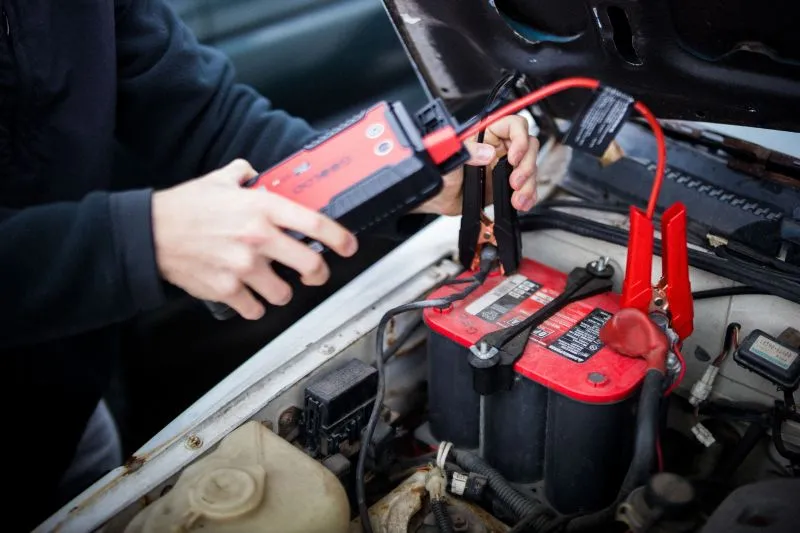
What's the Best Automotive Jump Starter for Your Vehicle?
The sudden silence of a failed engine start is a familiar and frustrating experience for many driver... Read More
Top Posts

Why LinkedIn Is the Secret Weapon for B2B SaaS Growth
LinkedIn isn’t just a digital résumé—it’s a living ecosystem where employee advocacy, data‑driven content, and micro‑communities combine to create a...Read More

Eco-Friendly Renovations: A Guide for Homeowners
Home renovations are a fantastic way to improve your living space, increase your property value, and tailor your home to your specific needs. However, renovatio...Read More

The Dark Side of Luck: How Online Gambling Affects Mental Health
Online gambling can have a profound impact on mental health, leading to depression, anxiety, and even suicidal thoughts. Learn about the risks and consequences ...Read More

SEO as a Customer Journey Map: Aligning Search with the B2B Funnel
This post reimagines SEO as a journey‑focused discipline, showing how mapping search intent to funnel stages, using structured data, and building intent‑bas...Read More
0 Comments
Post Comment
You will need to Login or Register to comment on this post!