
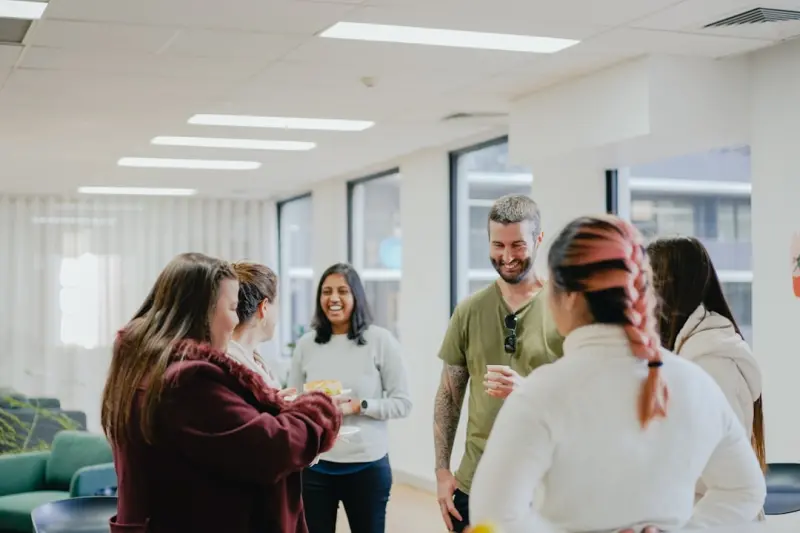
The Changing Landscape of Mentorship
When I was a teenager, mentorship looked a lot like a one‑on‑one coffee with a seasoned manager or a shadow‑day in a bustling office. Fast forward a couple of decades and the scene is a kaleidoscope of Zoom rooms, Slack channels, and AI‑curated learning pathways. The underlying premise hasn’t changed—someone with experience helps someone else grow—but the mechanics have been ripped apart by a digital surge that most of us never imagined.
Society is at a crossroads. On one side we have a flood of retirees who carry decades of tacit knowledge, and on the other, a generation of digital natives who are fluent in memes, APIs, and remote collaboration tools. The question is no longer if they should connect, but how to do it without losing the human element that makes mentorship truly transformative.
Why Traditional Models Are Fracturing
Traditional mentorship programs were built on a set of assumptions that no longer hold water:
- Physical proximity. The old model presumed mentor and mentee would share a desk, a hallway, or at least the same city.
- Linear career paths. It expected a straight‑line progression where a senior professional could map out a junior’s future.
- Time‑rich environments. It assumed both parties had the bandwidth to meet weekly, quarterly, or even annually without the pressure of hyper‑connected schedules.
Today, remote work (a topic we’ve already dissected in other posts) and the gig economy have shattered these assumptions. Workers hop between short‑term contracts, and senior talent often serves on advisory boards rather than holding a permanent seat at a single company. As a result, mentorship opportunities are becoming sporadic and, paradoxically, more accessible—if we know where to look.
Technology as a Bridge
Enter technology, the great equalizer. It’s not just about video calls; it’s about building ecosystems where knowledge can flow asynchronously, across time zones, and in formats that suit both parties. Think of mentorship as a conversation that doesn’t have to happen in real time—much like the asynchronous relationships we’ve championed in recent discussions.
Here are three digital levers that are reshaping intergenerational mentorship:
- AI‑curated matching platforms. Algorithms now assess skill gaps, personality traits, and learning preferences to pair a senior data scientist with a junior marketer who wants to learn about predictive analytics.
- Micro‑learning hubs. Short, bite‑sized lessons—often in the form of 5‑minute videos or interactive quizzes—allow mentors to share wisdom without demanding a full‑hour commitment.
- Community‑driven spaces. Platforms that foster micro‑communities give mentors and mentees a sense of belonging beyond the corporate silo, encouraging cross‑industry dialogue.
Tools That Empower Both Sides
While the big‑picture platforms set the stage, the real magic happens with the tools that participants bring to the table. Below is a quick rundown of tech that can turn a casual chat into a structured growth experience:
- Shared digital notebooks (e.g., Notion, Coda). These act as living knowledge bases where mentors can drop insights, templates, and feedback that mentees can revisit anytime.
- Voice‑to‑text transcription services. Capturing the nuance of a spoken story ensures that anecdotal wisdom isn’t lost in a single Zoom session.
- Gamified progress trackers. By assigning “badges” for completed milestones—like “First Pitch” or “Data‑Cleaned”—both parties stay motivated and can celebrate wins publicly.
- AI‑augmented reflection prompts. After a meeting, an AI can generate a short summary with reflection questions, nudging the mentee toward deeper self‑assessment.
Case Studies: When Theory Meets Reality
To illustrate how these concepts play out, let’s dive into two real‑world examples that showcase the power of digital intergenerational mentorship.
Case 1: The “Silver Coding Circle”
A nonprofit in the Pacific Northwest launched a program pairing retired software engineers with high‑school students interested in coding. The mentors used a blend of Slack for quick questions, a shared GitHub repo for code reviews, and a weekly “office hour” on Discord. Within six months, the students not only built functional apps but also reported a 30% increase in confidence when tackling complex problems. The key takeaway? Structure + flexibility created a win‑win for both age groups.
Case 2: “Boardroom to Breakroom” in a Global FinTech Firm
A multinational financial services company recognized that senior executives were hoarding strategic insights that could help junior analysts navigate regulatory hurdles. They introduced an AI‑driven matching engine that paired senior risk officers with junior analysts based on project overlap. Using a combination of recorded “storytelling” sessions and a shared OneNote knowledge vault, the firm cut onboarding time for new analysts by 40%. The mentorship program also surfaced fresh perspectives that helped the senior team anticipate market shifts—an unexpected but priceless side effect.
Designing a Sustainable Mentorship Ecosystem
Implementing technology is only half the battle. For mentorship to thrive, organizations and communities must cultivate an environment that respects time, encourages reciprocity, and celebrates outcomes.
Below is a checklist for building a mentorship ecosystem that endures:
- Set clear expectations. Define the scope of the relationship—whether it’s career advice, skill transfer, or personal growth.
- Establish boundaries. Protect both mentor and mentee from burnout by agreeing on meeting cadence and communication channels.
- Incentivize participation. Recognize mentors through internal awards, LinkedIn shout‑outs, or even modest financial stipends.
- Measure impact. Track metrics like skill acquisition, promotion rates, and satisfaction scores to iterate on the program.
- Foster a culture of feedback. Encourage both parties to give candid, constructive feedback after each interaction.
Overcoming Common Pitfalls
Even with the best tools, challenges arise. Here are three pitfalls and how to sidestep them:
- “Tech‑over‑human” syndrome. When mentors rely too heavily on AI prompts, the relationship can feel robotic. Counteract this by scheduling at least one purely conversational session per month.
- Mismatch of expectations. Use data‑driven matching, but also incorporate a brief “introductory interview” where both parties clarify goals.
- Loss of momentum. Introduce micro‑milestones (e.g., a quick 5‑minute check‑in) to keep the dialogue alive even when schedules get tight.
The Ripple Effect on Society
When we bridge generational gaps through intentional, tech‑enabled mentorship, the benefits cascade far beyond the individuals involved. Communities become more resilient, organizations retain critical knowledge, and younger workers gain a sense of belonging that counters the isolation often cited in the age of remote work.
Moreover, this intergenerational exchange fuels innovation. Seniors bring context, historical lessons, and a long‑term lens, while younger participants inject fresh perspectives, emerging tech fluency, and a willingness to experiment. The synergy can lead to breakthroughs in everything from sustainable product design to public policy formulation.
Getting Started: A DIY Blueprint
If you’re a manager, HR leader, or community organizer looking to launch an intergenerational mentorship initiative, here’s a step‑by‑step guide to get the ball rolling:
- Identify knowledge gaps. Survey your workforce or community to pinpoint where experience is lacking.
- Map potential mentors. Reach out to retirees, seasoned professionals, or alumni networks willing to give back.
- Choose a platform. Pick a tool that supports both synchronous and asynchronous interactions—think a combination of Slack for quick chats and Notion for deep dives.
- Design the journey. Outline a 6‑month roadmap with clear milestones, such as “Complete a first‑draft project proposal” or “Present a case study to the team.”
- Launch a pilot. Start with a small cohort, collect feedback, and iterate before scaling.
Remember, the goal isn’t to create a rigid curriculum; it’s to foster an organic relationship where both mentor and mentee feel empowered to grow.
Looking Ahead: The Future of Intergenerational Learning
As AI continues to mature, we’ll see even more sophisticated matchmaking, predictive skill‑gap analysis, and immersive learning experiences (think AR‑guided “walk‑throughs” of legacy systems). However, the core of mentorship will remain a human story: one generation handing the torch to the next, illuminated by the glow of shared curiosity.
By embracing technology as a facilitator—not a replacement—we can ensure that the torch never dims. The result is a society where experience isn’t hoarded, youth isn’t directionless, and every individual feels a deeper sense of purpose within the collective narrative.

Brad Hays is a freelance writer known for his versatile skill set and ability to craft compelling content across a wide range of industries.
Related Posts
When Communities Go Digital: Rethinking Social Bonds in the Age of Distributed Work
A deep dive into the societal shift sparked by distributed work, highlighting new neighborhood hubs,... Read More

The Power of Sustainable Living: A Path to a Better Future
Sustainable living is a powerful tool for creating a better future. Learn how adopting eco-friendly ... Read More
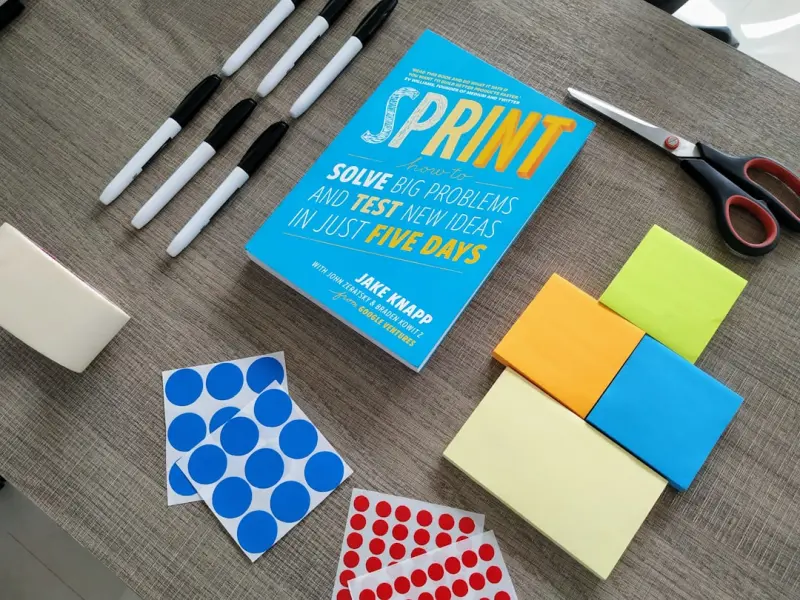
The Sprint Culture Revolution: How Speed Shapes Modern Society
A deep dive into sprint culture’s impact on work, social interaction, and digital habits, offering... Read More
Top Posts

Appliance Subscriptions: The Smart Way to Upgrade Your Home
Explore the rise of appliance subscriptions, a flexible model that offers financial relief, AI‑driven maintenance, and eco‑friendly benefits, reshaping home...Read More

Betting on the Future: How Data-Driven Micro-Wagers Are Redefining the Casino Floor
Micro‑betting is shifting the casino experience from high‑stakes thrills to frequent, data‑rich moments. This article examines how real‑time analytics, ...Read More

Microadventures: Small Steps to Big Outdoor Wins
Microadventures are short, low‑cost outdoor experiences that fit into busy lives. Learn how these tiny trips can reset your mind, spark creativity, and streng...Read More

The Future of Productivity: Top Tools to Boost Efficiency
Staying productive is crucial for achieving success in today's fast-paced world. Learn how to maximize efficiency and achieve your goals with the right tools an...Read More
0 Comments
Post Comment
You will need to Login or Register to comment on this post!