
When I first stepped into the chaotic world of SaaS marketing, I was armed with a spreadsheet full of KPIs and a belief that numbers alone could move mountains. Spoiler: they couldn’t. The real catalyst for growth turned out to be something far less quantifiable—genuine empathy.
From Numbers to Narratives: The Shift I Made
It started on a rainy Tuesday during a client call. The prospect wasn’t interested in our feature list; they were desperate for a solution that would save their support team from burnout. I realized that all the heat maps, click‑through rates, and A/B test results in my toolbox were merely decorations if I didn’t understand the human problem behind the data. From that moment, I committed to making empathy the north star of every campaign.
Why Empathy Trumps Pure Data in SaaS
Data tells you what is happening—it shows you that 42% of trial users drop off after the third day. Empathy tells you why it’s happening. When you combine both, you get a roadmap that leads to solutions people actually care about. In practice, this means:
- Listening before you segment. Instead of carving audiences by industry alone, I start with open‑ended conversations that surface pain points you won’t find in any CRM.
- Storytelling that reflects real challenges. A case study becomes a narrative about a person’s day, not just a list of features.
- Iterative feedback loops. Empathy isn’t a one‑off interview; it’s a continuous pulse check that informs product, content, and sales alignment.
Building an Empathy‑Driven Content Engine
The first piece of the puzzle is content that resonates on a human level. I built a simple framework I call the 3‑E Model: Empathize, Educate, Elevate. Here’s how it works:
- Empathize: Gather qualitative insights through user interviews, community forums, and even social listening on platforms like LinkedIn groups. Look for recurring emotional triggers—frustration, excitement, fear.
- Educate: Translate those insights into actionable content. Instead of a generic whitepaper on “cloud migration,” I crafted a guide titled “How to Keep Your Night‑Shift Team Sane During Migration.” The title directly addresses the emotional pain point.
- Elevate: Use the content to empower the audience. Provide templates, checklists, or tools that help them solve the problem immediately. This builds trust faster than any promotional claim.
Case Study: Turning a “Feature‑Heavy” Pitch into a Human Story
One of our biggest SaaS clients struggled with a churn rate of 28% among mid‑market accounts. Their marketing team was laser‑focused on showcasing the platform’s robust API capabilities. I sat down with the product manager and a handful of churned customers. The story that emerged wasn’t about APIs; it was about a CTO who felt isolated, drowning in support tickets, and fearing that his team would quit.
We re‑crafted the messaging to center on relief and community. The new campaign featured video testimonials titled “From Overwhelmed to In‑Control: Real CTO Journeys.” Within three months, churn dropped to 19% and the net promoter score (NPS) rose by 12 points. The lesson? When you align your narrative with the emotional reality of your buyers, the data follows.
Integrating Empathy with Data: A Balanced Dashboard
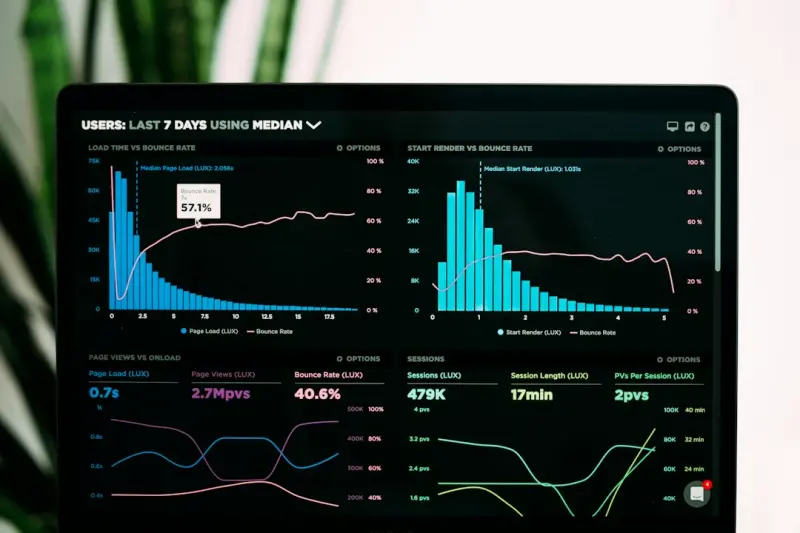
Empathy doesn’t mean discarding analytics; it means enriching them. I now maintain a dashboard that blends traditional metrics with sentiment scores derived from quarterly surveys and NPS comments. The visual looks like this:
- Acquisition Cost (CAC) – Traditional metric.
- Sentiment Index – Aggregated emotional score from user feedback.
- Engagement Depth – Average time spent on empathy‑centric content pieces.
When the Sentiment Index dips, I know it’s time to revisit the storytelling angle, even if CAC is still within target. This holistic view keeps the team accountable to both numbers and narratives.
Tools That Help You Hear the Human Side
There are a few platforms that make empathy research less of a scavenger hunt:
- Rephonic Voice – Captures verbatim user feedback from calls and chats, applying AI to surface emotional cues.
- Community Pulse – A lightweight forum where users can post challenges; great for mining authentic stories.
- Heatmap Narratives – Combines classic heatmaps with tooltip explanations from real users about why they hovered over certain elements.
These tools feed directly into the 3‑E Model, ensuring that each piece of content is grounded in actual user sentiment.
The Role of Internal Alignment: Marketing, Product, and Support
Empathy cannot thrive in a silo. I champion cross‑functional empathy workshops where product, support, and sales teams share a “day‑in‑the‑life” of a typical customer. The result is a unified language that echoes across every touchpoint—from onboarding emails to product roadmap updates. When everyone speaks the same human‑centered dialect, the brand voice becomes unmistakably authentic.
Scaling Empathy Without Losing Its Core
One fear I hear often is, “Will empathy scale?” The answer is yes, if you systematize the process. Here’s my playbook:
- Document Personas with Emotional Layers. Go beyond demographics; include “Emotional Triggers” and “Desired Outcomes.”
- Build a Content Repository. Tag each asset with the emotional problem it solves. This makes it easy for any team member to pull the right piece for a specific prospect.
- Automate Sentiment Check‑Ins. Use survey tools that ask “How did this content make you feel?” and feed that back into your dashboard.
- Review Quarterly. Hold a “Empathy Audit” where you assess whether your top‑performing campaigns still align with the emotional needs of your audience.
Empathy Meets Innovation: Linking to Semantic Authority
While empathy fuels the why, semantic authority fuels the how. By structuring your content around topical clusters that reflect real user concerns, search engines reward you with higher visibility. The synergy is simple: empathy tells you the topics that matter, semantic authority ensures those topics are discovered.
Empathy‑First Marketing and the Developer Experience
Developers are a notoriously skeptical audience. To win them, you must speak their language while still honoring their human side. Our developer experience initiative started with an empathy interview—asking not just “What APIs do you need?” but “What frustrates you when you’re debugging?” The answers shaped a series of “Developer Relief” webinars that combined technical depth with community support, boosting trial conversion by 23%.
Measuring Success: Beyond the Usual KPIs
Traditional marketing metrics still matter, but I now supplement them with Empathy Impact Scores (EIS). The formula is simple:
EIS = (Average Sentiment Score × Content Engagement Depth) / (Bounce Rate + Unsubscribe Rate)
A rising EIS signals that your audience is not only consuming content but also resonating emotionally with it. Over the past year, our EIS climbed from 0.42 to 0.78, correlating with a 31% revenue uplift from upsells.
Final Thoughts: Make Empathy Your Competitive Edge
If you’re still betting on data alone, you’re leaving a huge portion of the buying journey untapped. Empathy doesn’t replace analytics; it enriches them, turning cold numbers into warm relationships. In a market where every SaaS solution looks alike on the surface, the brand that truly understands its people will win the day.

Armed with a degree in English Literature, Jill’s journey into the digital space wasn't just a career move; it was a natural extension of her lifelong love affair with storytelling. While some writers view search engine optimization (SEO) as a rigid constraint, Jill sees it as a creative puzzle. She understands the delicate art of balancing the algorithmic demands of search engines with the human desire for resonance, emotion, and value. To Jill, keywords aren't just targets to hit; they are the breadcrumbs that lead eager readers straight to the answers they’ve been searching for.
Related Posts

Marketing Sprints: How Speed and Creativity Redefine Success
Learn why adopting a sprint mindset in marketing accelerates campaigns, enhances ROI, and integrates... Read More

Excellent Blog Directories listed by Google Pagerank
In the annals of search engine optimization (SEO), few metrics inspired as much fascination and ferv... Read More

Marketing in 2024: How AI, Authenticity, and Sustainability Are Redefining the Game
Amanda Williams shares fresh 2024 marketing insights, from AI-powered storytelling to eco‑centric ... Read More
Top Posts
The New Playbook for Relationship Resilience in a Hyperconnected World
A fresh framework for modern couples, friends, and families to set digital boundaries, leverage AI responsibly, and keep human connection thriving in an alwaysâ...Read More

Redefining Modern Love: Tech, Trust, and Sustainable Connection in 2026
In 2026, love blends digital tools with timeless intimacy. Discover how smart homes, sustainable shopping, and growth‑focused habits are redefining modern rel...Read More

Listening to Little Things: A Parenting Game‑Changer
Learn how paying attention to tiny signals—gestures, tone, and micro‑behaviors—can transform parenting, deepen trust, and foster resilient, emotionally in...Read More

Permission‑First Email: Building Trust and Growth in a Privacy‑Centric World
Learn why adopting a permission‑first approach to email marketing is essential for modern B2B SaaS companies, and get actionable steps to build, nurture, and ...Read More
0 Comments
Post Comment
You will need to Login or Register to comment on this post!