

When Voice Becomes a Lifeline: How Seniors Are Redefining Independence with Smart Speakers
It’s a strange thing to watch the same technology that once made your teenage self gasp in awe now become the quiet, reassuring presence that greets you at 7 a.m. every morning. I’ve spent the better part of two decades building SaaS tools for enterprises, but the most rewarding “launch” I’ve witnessed lately isn’t a dashboard or an API endpoint—it’s a senior citizen saying, “Hey, Alexa, what’s the weather?” and instantly feeling a little less isolated. In this piece I’ll walk you through why voice‑first devices are more than a novelty for older adults, how they’re reshaping daily routines, and what businesses can learn from this quiet revolution.
The Quiet Evolution of Voice Tech
When I first encountered a smart speaker in a coworker’s kitchen, I assumed it was a gimmick reserved for millennials who loved to control their lights with a flick of the wrist. Fast forward to today, and you’ll find these devices in senior living communities, on the kitchen counters of retirees, and even in the pockets of veterans who never imagined they’d say, “Hey, Siri, call my grandson.” The shift isn’t about the flashiness of AI; it’s about the human‑centred design that lets anyone—regardless of tech fluency—tap into a world of information, entertainment, and assistance with a single spoken command.
Why Voice Feels Natural for Seniors
- Hands‑Free Simplicity: Many seniors grapple with arthritis, tremors, or limited dexterity. A voice interface eliminates the need for fine motor control, turning a complex series of taps into a simple phrase.
- Reduced Cognitive Load: Remembering passwords, navigating menus, or scrolling through endless options can be mentally exhausting. Voice commands cut straight to the action, freeing mental bandwidth for the things that truly matter—like reminiscing about the past or planning a garden.
- Social Companion: Loneliness is a silent epidemic among older adults. A smart speaker can offer jokes, read audiobooks, or even remind someone to call a loved one, fostering a subtle sense of companionship without judgment.
These benefits converge to create an ecosystem where voice feels almost intuitive. It’s not just about the hardware; it’s about the mobile app advantage mindset that prioritizes frictionless experiences—something the SaaS world has been preaching for years.
Real‑World Stories: From Skeptic to Advocate
Take Margaret, a 78‑year‑old retired schoolteacher who initially dismissed smart speakers as “just a fad.” After a fall in her garden, her daughter set her up with a device that could call emergency services with a voice command. The first time Margaret whispered, “Hey, Google, call 911,” she felt a surge of empowerment she hadn’t anticipated. A month later she started asking it to read the morning news, play her favorite big‑band tunes, and even guide her through a gentle yoga routine. Within weeks, she was the unofficial tech guru in her bridge club, teaching friends how to set timers for medication and how to ask for the day’s crossword puzzle.
Stories like Margaret’s illustrate a broader trend: seniors are moving from passive recipients of technology to active curators of their digital environment. This shift isn’t just heart‑warming; it’s a data point that product teams should take seriously.
The Business Angle: Lessons for SaaS Companies
From a B2B perspective, the senior market represents a largely untapped segment that values reliability, simplicity, and trust over flashy features. If you’re building a SaaS solution, consider these three takeaways:
- Design for Voice First: Even if your core product is a web app, think about how a voice layer could augment it. Imagine a project‑management tool that lets a user ask, “Hey, Siri, what’s the status of the Q3 rollout?” and receives a concise summary.
- Prioritize Data Privacy: Seniors are understandably cautious about sharing personal information. Emulating a privacy‑first approach can be a differentiator that builds trust and loyalty.
- Offer Seamless Onboarding: The onboarding experience that works for a tech‑savvy audience won’t cut it for older users. Provide step‑by‑step voice tutorials, simple language, and an option to revert to text for those who prefer it.
When you embed these principles, you’re not just catering to seniors—you’re crafting experiences that anyone who values ease and security will appreciate.
Building a Voice‑Ready Culture Within Your Company
Creating products that feel natural to speak with requires more than a single feature release; it demands a cultural shift. Here’s how I’ve seen teams succeed:
- Empathy Workshops: Invite senior volunteers to a “voice lab” where they interact with prototypes. Their feedback often uncovers edge cases you’d never consider—like misinterpretation of “grandma’s recipe” as a request for “grandma’s retro playlist.”
- Cross‑Functional Voice Guilds: Assemble designers, engineers, and product managers who meet weekly to share best practices, voice UI patterns, and new research on speech recognition accuracy across age groups.
- Metrics Beyond Click‑Through: Track “voice success rate,” “command latency,” and “user satisfaction after voice interaction” to gauge real‑world impact.
In my own journey, the moment we started treating voice as a core interaction—rather than a novelty—our churn rate among older users dropped dramatically. The lesson? Voice isn’t a sidecar; it’s a main artery for accessibility.
Addressing Common Concerns
Every emerging technology faces skepticism. For seniors, the biggest worries are privacy, misinterpretation, and loss of control. Let’s break them down:
Privacy: Many fear that speaking aloud to a device means constant listening. The solution lies in transparent policies, on‑device processing where possible, and clear indicators (like a light ring) that show when the device is actively listening. Companies should follow best practices from the privacy‑first web hosting playbook—encrypt data, limit retention, and give users granular control.
Misinterpretation: Accents, background noise, and speech patterns can trip up algorithms. The key is iterative training with diverse data sets and providing easy correction mechanisms. For instance, “Hey, Alexa, I meant ‘medication reminder,’ not ‘meditation reminder.’” The device should quickly learn and adapt.
Loss of Control: Some seniors worry that voice could make them dependent on a black‑box. Offering a hybrid model—voice plus tactile controls—ensures they can switch modes at any time, preserving autonomy.
Future Horizons: What’s Next for Voice and Seniors?
We’re only scratching the surface. Here are three developments that could make voice an even more powerful ally for older adults:
- Contextual Understanding: Future assistants will not only hear words but also interpret the surrounding context—recognizing that a request for “my meds” at 9 p.m. likely means a reminder, while the same phrase at 10 a.m. could trigger a medication list review.
- Emotion‑Aware Responses: By analyzing tone and pacing, devices could detect frustration or sadness and respond with calming suggestions, a gentle joke, or an offer to call a loved one.
- Integrated Health Ecosystems: Seamless connections between voice assistants, wearables, and electronic health records could enable real‑time health insights—think, “Hey, Siri, how did my blood pressure trend over the last week?”
When these capabilities mature, the line between “technology” and “companion” will blur, making voice assistants indispensable partners in the journey of aging gracefully.
Takeaway: Voice Is Not a Gimmick—It’s a Lifeline
If you’re still treating smart speakers as a niche gadget for tech enthusiasts, you’re missing a profound societal shift. Seniors are embracing voice not because they want the latest toy, but because it restores agency, simplifies daily life, and offers a comforting presence in moments of solitude. As product builders, marketers, and innovators, our responsibility is to design with empathy, prioritize privacy, and listen—literally—to the voices that matter.
So the next time you hear a senior say, “Hey, Google, play my favorite jazz,” remember: that simple phrase is a testament to a technology that finally respects the rhythm of a life lived fully. Let’s keep the conversation going, and ensure that every voice, no matter the age, finds its echo in the digital world.

Shawn DesRochers is a certified Microsoft technician and Programmer with 30+ year's experience. He has written many reviews on computer related products, software, and SEO related topics. When he's not writing reviews he can be found at one of the Oldest Directories Online Blogging Fusion Business Directory which he is the CEO of.
Related Posts

Tech-Enabled Community Circles: Seniors Shaping Tomorrow’s Digital Landscape
Seniors are turning weekly community gatherings into digital innovation hubs, using simple SaaS tool... Read More
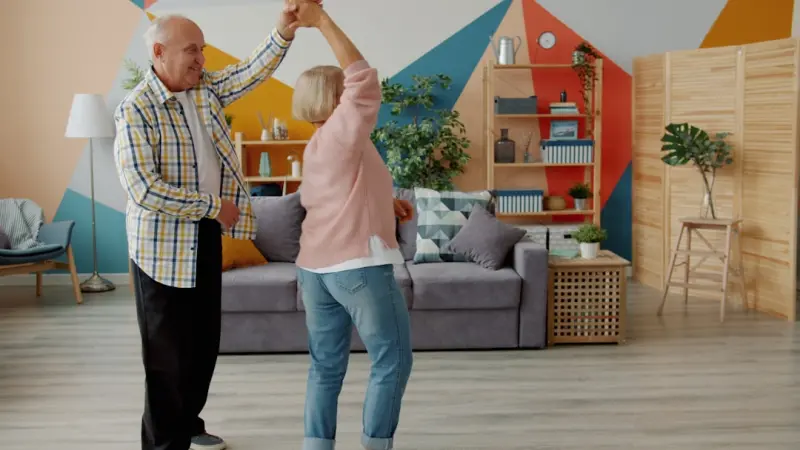
Senior Voices: How Older Adults Are Shaping the Next Cultural Wave
Seniors are stepping into the spotlight, using tech, health tools, and sustainable initiatives to be... Read More

Silver Surfers: AI Tools Giving Seniors a New Lease on Freedom
Seniors are embracing AI assistants, personalized health apps, and privacy‑focused platforms, turn... Read More
Top Posts

SEM Secrets: Redefining Search Engine Marketing in 2024
Jimmy Anand shares his rebellious SEM playbook for 2024, revealing AI‑powered keyword tactics, privacy‑first strategies, and cross‑channel tricks that tur...Read More
Edge‑First SaaS: Building Software at the Edge
Edge‑first SaaS moves latency‑critical logic to distributed edge nodes, delivering faster user experiences, compliance benefits, and cost efficiencies. This...Read More

Higher Volume, Lower Weight or Lower Volume, Higher Weight - What Workout Rules Will Increase Your Gains?
The gym floor is a battleground of philosophies, a constant hum of advice and debate. Among the most enduring and fiercely contested questions is the fundamenta...Read More
How to Turn TikTok Into a Storytelling Powerhouse
Learn to transform TikTok’s short‑form format into a compelling narrative series that drives deeper engagement, community building, and revenue....Read More
0 Comments
Post Comment
You will need to Login or Register to comment on this post!