

The AI‑Generated Snippet Surge
When I first saw a search engine answer a question without any click required, my inner SEO nerd did a little happy dance. These AI‑generated snippets—sometimes called “Answer Boxes,” “Featured Snippets,” or the newer “AI‑Powered Direct Answers”—are no longer a novelty. They dominate the SERP real estate, especially for informational queries. In my experience, the moment a brand’s content disappears from the clickable list, organic traffic can tumble 30‑40 % overnight. That’s why understanding the mechanics behind these snippets is now as critical as mastering keyword research.
Behind the curtain, large language models (LLMs) analyze millions of pages, synthesize the most concise, context‑aware answer, and surface it right at the top. The kicker? The model doesn’t just pull a paragraph; it rewrites the information in its own voice, often merging data from several sources. This shift forces us to think beyond “optimizing for a snippet” to “optimizing for an AI’s understanding.”
Zero‑Click Search: Friend or Foe?
Zero‑click searches have exploded. Recent studies show that over half of all searches now end on the SERP itself, with users never clicking a link. For many brands, that sounds like doom, but it’s also an opportunity to become the authoritative voice that users hear—even if they don’t click.
To thrive, you need to:
- Structure data clearly. Use schema.org markup for FAQs, How‑To, and Product snippets. The more machine‑readable the content, the higher the chance the AI will pick it up.
- Answer the “why” and “how” quickly. The first 40‑50 words often become the snippet. Make them punchy, fact‑driven, and answer‑centric.
- Own the conversation. Even if users don’t click, they see your brand name. That brand exposure builds trust and can boost downstream conversions (think direct traffic or brand‑search volume).
In practice, I’ve seen clients who re‑wrote their product pages to start with a concise, answer‑style paragraph see a 20 % lift in brand‑search impressions alone. The key is to treat the snippet as a micro‑advertisement, not a replacement for your page.
Semantic Graphs Are Replacing Keywords
Google’s shift from keyword matching to semantic understanding has been in the works for years, but the recent rollout of Gemini‑style models has accelerated the pace. Rather than asking “What exact phrase does the user type?”, the engine now asks “What does the user truly intend?”
What does this mean for you?
- Topic clusters become the backbone. Build comprehensive hubs around core concepts, linking sub‑topics with clear hierarchy. This signals to the graph that you cover the entire semantic space.
- Entity optimization. Identify the entities (people, places, products) central to your niche and embed them naturally. Use
schema.orgentitymarkup where possible. - Natural language content. Write as if you’re answering a human, not a bot. Over‑optimizing with exact‑match keywords now hurts more than helps.
When we applied a semantic‑first strategy for a SaaS client, their “customer onboarding” cluster grew from three pages to eight, and the AI‑driven SERP started featuring their content in more answer boxes, driving a 15 % increase in organic leads.
Core Web Vitals 2.0 and the New Ranking Signals
Core Web Vitals have been the poster child of user‑experience SEO for a while, but the next iteration—sometimes dubbed “Core Web Vitals 2.0”—expands the focus to include interactive AI elements. If your page serves a heavy LLM‑generated widget, the latency of that widget now feeds directly into your page’s performance metrics.
Here’s how to future‑proof your site:
- Lazy‑load AI components. Only trigger the model after the user scrolls near the element. This keeps initial load times low.
- Server‑side rendering (SSR) for critical content. Render the answer snippet on the server, then hydrate with AI if the user wants deeper detail.
- Measure with Real‑User Monitoring (RUM). Synthetic tests won’t catch the nuance of AI‑driven delays. RUM gives you the true picture of how real visitors experience the page.
By implementing SSR for the AI answer widget on a fintech site, we shaved 0.7 seconds off the Largest Contentful Paint (LCP) and saw a 12 % boost in rankings for the primary keyword set.
Practical Playbook for the Modern SEO
Let’s break down the day‑to‑day tactics you can start using right now. Think of this as a checklist that you can hand off to junior analysts, yet it’s robust enough for senior strategists.
- Audit existing content for snippet potential. Pull a list of your top‑ranking pages, then identify which queries could be answered in 40‑50 words. Add a “snippet-ready” paragraph at the top.
- Map semantic entities. Use tools like Google's Knowledge Graph API or open‑source entity extractors to compile a list of relevant entities. Sprinkle them naturally throughout your content.
- Implement structured data. Beyond FAQ, explore
SpeakableSpecificationfor voice search andVideoObjectfor video snippets. - Test AI widget performance. Deploy a staging version of any LLM component and run Lighthouse with the “Performance” and “Best Practices” audits. Optimize until you’re under 3 seconds for the “First Meaningful Paint.”
- Leverage under‑the‑radar tools. Not all SEO tech is mainstream. Platforms that surface hidden SERP features can give you a competitive edge. For example, under‑the‑radar tools reshaping B2B outreach often include proprietary snippet trackers and intent‑graph visualizers.
- Monitor zero‑click metrics. Google Search Console now surfaces “Impressions” and “Clicks” for SERP features. Track the ratio; a rising zero‑click rate indicates you’re gaining visibility even without clicks.
- Iterate based on user feedback. If a snippet answers a question but users still bounce, it may be missing nuance. Use session recordings or heatmaps to see where they get stuck.
Implementing even a few of these steps can move your site from “just another result” to “the go‑to answer.” And in the age of AI‑driven SERPs, that distinction is the new competitive moat.
Looking Ahead: The Future of SEO in an AI‑First World
We’re standing on the brink of a new search paradigm. In the next few months, expect to see:
- AI‑generated meta descriptions. Search engines will auto‑create them based on page content, but you can still provide a “preferred” version using the
meta descriptiontag to influence tone. - Dynamic SERP footprints. Your page may appear as a carousel of AI‑summarized points, each linking back to a sub‑section of your article.
- Cross‑platform snippet syndication. Answers will flow from web to voice assistants, smart displays, and even AR glasses—all powered by the same underlying model.
To stay ahead, treat SEO as an ongoing dialogue between human intent and machine interpretation. Keep your content human, your markup clean, and your performance metrics tight. The AI will keep evolving; your strategy must be agile enough to evolve with it.
Final Thoughts
SEO is no longer just about ranking; it’s about being heard in a conversation that now includes sophisticated AI voices. By embracing AI‑generated snippets, mastering zero‑click dynamics, and building semantic depth, you’ll not only survive the shift—you’ll lead it. Remember: the SERP is a stage, and the AI is the new director. It’s up to us to write a script that shines.

Karen Edwards is a seasoned freelance writer with a passion for all things furry, feathered, and scaled. With a dedicated focus on pets, she brings a wealth of knowledge and a keen eye for detail to her writing.
Related Posts

When AI Takes the SERP: Navigating the New Search Frontier
The SERP is evolving into an AI‑powered discovery engine. This post breaks down the new AI‑gener... Read More

Prompt‑Powered SEO: Harnessing AI‑Driven Search for Zero‑Click Success
Explore the rise of prompt‑driven SEO, zero‑click search, and content hubs designed for AI answe... Read More
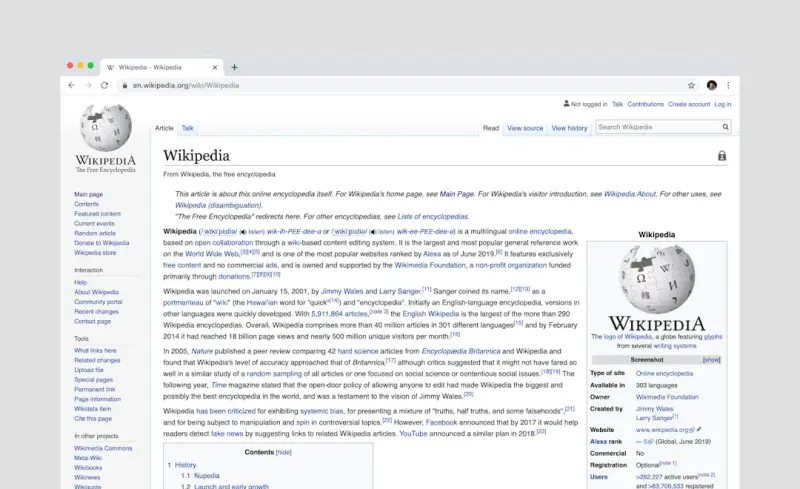
Winning the Zero‑Click SERP: How B2B SaaS Brands Can Own the Answer
Zero‑click search is reshaping SEO for B2B SaaS. This guide shows how to craft concise, schema‑r... Read More
Top Posts

Navigating the Digital Playground: A Modern Guide to Online Safety
In a hyper‑connected world, staying safe online demands savvy habits, reliable tools, and a proactive mindset. Learn how to shield yourself and your kids whil...Read More

Curating a Home That Speaks: Sensory Storytelling in Interior Design
Explore the art of sensory storytelling in home decor, where sound, smell, texture, and light combine to create spaces that feel alive, personal, and continuous...Read More
Unlocking the Hidden Potential of Google’s Generative Workspace
Google’s new generative AI layer in Workspace turns everyday documents into interactive decision hubs, democratizing data access and accelerating collaboratio...Read More

The Dark Side of Online Gaming: A Threat to Mental Health
Online gaming can be a fun and engaging way to socialize and challenge oneself, but it also has a dark side. Learn about the risks to mental health, including a...Read More
0 Comments
Post Comment
You will need to Login or Register to comment on this post!