

Why Virtual Try‑On Tech Is the Next Shopping Revolution
When I first stepped into a boutique and tried on a dress, the mirror was the only judge of whether the fit felt right. Fast forward to today’s digital storefronts, and that mirror is being replaced by something far more sophisticated: a virtual try‑on experience powered by AI, computer vision, and real‑time 3D rendering. This isn’t just a gimmick for novelty‑seekers; it’s a strategic shift that is reshaping the economics of e‑commerce, the psychology of shoppers, and the very definition of “fit.”
The Problem: Confidence Gap and Return Fatigue
Online apparel and accessories have long suffered from a confidence gap. According to industry research, up to 30% of clothing purchases are returned because the product didn’t match expectations of size, style, or color. Returns cost retailers billions annually in logistics, restocking, and environmental impact. For shoppers, the uncertainty fuels hesitation: “What if it looks nothing like the photo?”
Traditional solutions—size charts, model photos, and static 360° views—only go so far. They assume a one‑size‑fits‑all mindset and ignore the nuanced ways our bodies interact with fabrics, lighting, and motion. The result is a friction point that directly affects conversion rates and brand loyalty.
Enter Virtual Try‑On: The Technology Stack
Virtual try‑on systems blend several cutting‑edge technologies:
- Computer Vision & Pose Estimation: Cameras and smartphones capture a user’s body shape in real time, mapping key points (shoulders, hips, elbows) to a digital avatar.
- AI‑Driven Size Prediction: Machine‑learning models analyze purchase history, returns data, and even social media cues to suggest the optimal size before the user even tries the garment.
- Physically‑Based Rendering (PBR): High‑fidelity 3D engines simulate how fabrics drape, fold, and reflect light, delivering a near‑photo‑realistic view of the product on the user’s body.
- Augmented Reality (AR) Overlays: For accessories like glasses or jewelry, AR places the item directly onto the user’s face or wrist, adjusting for angle and lighting.
The convergence of these components creates an immersive, low‑friction experience that feels almost magical. But beyond the wow factor, the data generated by each try‑on session becomes a goldmine for retailers.
Data Goldmine: Turning Try‑On Insights Into Action
Every virtual fitting session yields granular data: which sizes users hover over, how long they linger on specific colors, and where they abandon the experience. This data can be fed back into inventory management, product design, and personalized marketing.
For instance, a brand noticing a high “try‑on‑but‑not‑buy” rate on a particular sleeve style can quickly iterate on fabric weight or cut, reducing future returns. Similarly, AI can surface a “you may also like” carousel based on the exact silhouettes a shopper interacted with, dramatically increasing cross‑sell opportunities.
In fact, the same principle of collective power that drives group buying is now being applied to virtual try‑on data pools. Retailers can aggregate anonymized fit data across thousands of users to fine‑tune sizing standards, ensuring that the “size medium” on one brand aligns more closely with a medium on another.
Reducing Returns: A Win‑Win for Everyone
Return rates are a leading KPI for online fashion retailers, and virtual try‑on is already delivering measurable reductions:
- 30‑40% decrease in size‑related returns: Shoppers who used an AR fitting tool were far more likely to order the correct size the first time.
- 15‑20% drop in overall return volume: When visual confidence increases, buyers are less likely to send items back for aesthetic reasons.
- Lower carbon footprint: Fewer shipments mean less packaging waste and reduced emissions—a sustainability win that resonates with today’s eco‑conscious consumers.
These improvements translate directly into cost savings for retailers and a smoother, more satisfying journey for shoppers.
Beyond Clothing: Expanding the Try‑On Paradigm
While apparel was the first frontier, virtual try‑on is rapidly branching into other categories:
- Eyewear: Brands like Warby Parker let users see how frames look from every angle using a smartphone camera.
- Makeup: AI‑powered shade matching tools let users test lipsticks and eyeshadows without ever opening a bottle.
- Footwear: 3D foot scanning apps suggest the perfect sneaker model based on arch type and gait.
- Home Décor: AR visualizers place a sofa in your living room, adjusting scale to match your existing furniture.
Each vertical adapts the core technology to its unique fit criteria, but the underlying goal remains the same: reduce uncertainty and increase purchase confidence.
Consumer Psychology: The Power of Immediate Feedback
Human decision‑making is heavily influenced by feedback loops. When a shopper can instantly see how a product looks on them, the brain registers a sense of ownership. This psychological anchoring accelerates the path from contemplation to conversion.
Moreover, virtual try‑on taps into the “endowment effect”—the tendency to value something more highly once we feel it belongs to us. By letting users “try” a product in a private, digital space, brands create an emotional connection that static images can’t match.
Implementation Challenges and How to Overcome Them
Despite its promise, rolling out a robust virtual try‑on solution isn’t trivial. Here are common hurdles and practical strategies:
- Technical Integration: Legacy e‑commerce platforms may lack APIs for AR. Solution: Use middleware that bridges the storefront with third‑party AR SDKs, ensuring a seamless user flow.
- Data Privacy: Capturing body metrics raises privacy concerns. Solution: Store all biometric data locally on the device and only transmit anonymized fit scores to the server.
- Device Compatibility: Not all users have high‑end smartphones. Solution: Offer a “lite” web‑based try‑on that uses 2D overlays, while reserving full 3D experiences for capable devices.
- Content Creation Costs: Generating high‑resolution 3D models can be expensive. Solution: Adopt photogrammetry pipelines that turn product photos into 3D assets at scale, or partner with specialized agencies.
Addressing these challenges head‑on not only future‑proofs a brand’s tech stack but also builds consumer trust—an essential component in today’s privacy‑centric market.
Real‑World Success Stories
Several forward‑thinking retailers have already reported impressive outcomes:
- Fashion Nova: After integrating an AR fitting room, the brand saw a 22% lift in conversion rates on mobile devices.
- Sephora’s Virtual Artist: The makeup try‑on tool generated a 10% increase in average order value, as shoppers added complementary shades they hadn’t considered before.
- Allbirds: By letting users scan their foot and see a 3D sneaker on it, the company reduced size‑related returns by 35% within six months.
These case studies illustrate that virtual try‑on isn’t a niche experiment—it’s becoming a core competitive advantage.
Synergy With Other Retail Innovations
Virtual try‑on works best when it’s part of a broader, data‑driven retail ecosystem. For example, combine it with a sensor‑enabled skincare routine to recommend fragrance or makeup that complements a user’s skin tone, creating a seamless, hyper‑personalized journey from head to toe.
Similarly, integrating try‑on data with a loyalty program can reward shoppers for engaging with the technology—think “Earn double points for every virtual fitting.” This not only gamifies the experience but also fuels repeat visits.
The Future: From Try‑On to Try‑Before‑You‑Buy (TBTYB)
The next logical evolution is Try‑Before‑You‑Buy services, where users can order a lightweight, pre‑filled sample of a product—be it a garment or a pair of shoes—to try at home before committing to the full purchase. Virtual try‑on acts as the pre‑screening step, ensuring that only the most confident shoppers move to the physical trial phase.
Imagine a world where a shopper virtually tries on a coat, receives a personalized size suggestion, and then orders a “fit kit” that includes a swatch of the fabric and a small sample sleeve. If the fit feels right, they confirm the full order; if not, they return the kit at no cost. This hybrid model could slash returns even further while delivering a tactile experience that pure digital cannot replicate.
Conclusion: Embrace the Mirror of Tomorrow
The rise of virtual try‑on technology is more than a flashy feature—it’s a strategic response to the core pain points of online shopping: uncertainty, high return rates, and the lack of tactile interaction. By leveraging AI, AR, and 3D rendering, retailers can create a confidence‑boosting experience that not only drives sales but also deepens brand loyalty.
For shoppers, the benefit is clear: a more enjoyable, less risky journey from browsing to checkout. For brands, the payoff is measured in higher conversion rates, lower return costs, and richer data insights that fuel continuous improvement.
As the technology matures and becomes more accessible, the line between physical and digital retail will blur further. The mirror of tomorrow isn’t a reflective surface; it’s an intelligent, data‑rich interface that knows you better than any sales associate ever could. The question isn’t whether virtual try‑on will become a standard—it’s how quickly you’ll adopt it.

Steph Sanderson is a Toronto-based freelance writer and content creator with a clear passion: crafting compelling articles. With a dedication to clear, engaging prose and a knack for storytelling, Steph brings a wealth of experience to every project.
Related Posts

The Evolution of Online Shopping: Trends and Insights
The world of online shopping has undergone a significant transformation over the years. From its hum... Read More
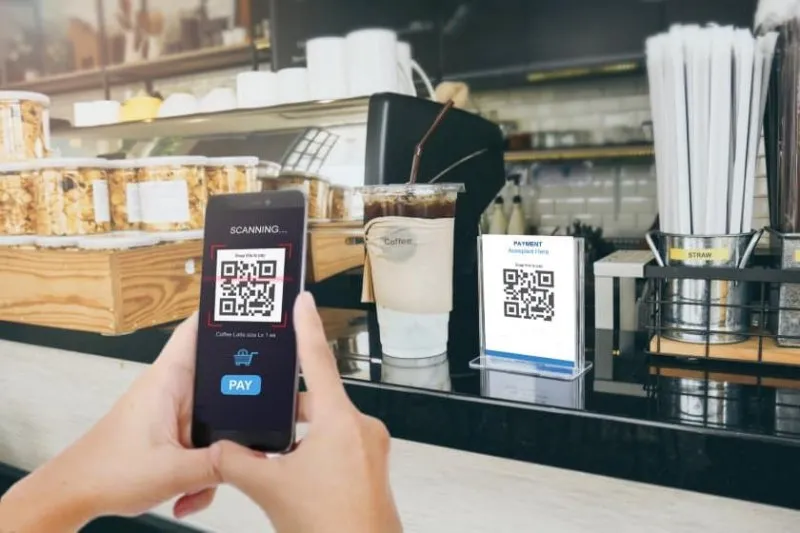
QR Codes Becoming Popular for In-Store Payments
The retail industry has always been at the forefront of innovation, constantly evolving to meet the ... Read More

Amazon Prime Day 2025: Shoppers Strategize for the July 8-11 Savings Extravaganza
Amazon Prime Day, the annual shopping bonanza, is just around the corner, scheduled for July 8-11, 2... Read More
Top Posts

The Quiet Power of Conversational Email: Turning Inboxes into Communities
Discover how treating email as a conversation, leveraging AI, and focusing on behavior over demographics can revitalize your newsletters and build loyal inbox c...Read More

Building Your Modern Safety Shield: A Holistic Approach in a Complex World
In a world of evolving threats, safety transcends traditional boundaries. Robert Mathews shares his insights on a holistic approach to personal security, from d...Read More

Why SERP Volatility Is Your Next Growth Lever
SERP volatility isn’t a setback—it's a signal. This post shows how to read the pulse of search rankings, align organic and paid strategies, and future‑pro...Read More

Solo Night Hiking: Finding Rhythm Under the Stars
Discover how solo night hiking transforms the outdoors into a sensory sanctuary, offering safety tips, star‑guided navigation, and mindful benefits for every ...Read More
0 Comments
Post Comment
You will need to Login or Register to comment on this post!