
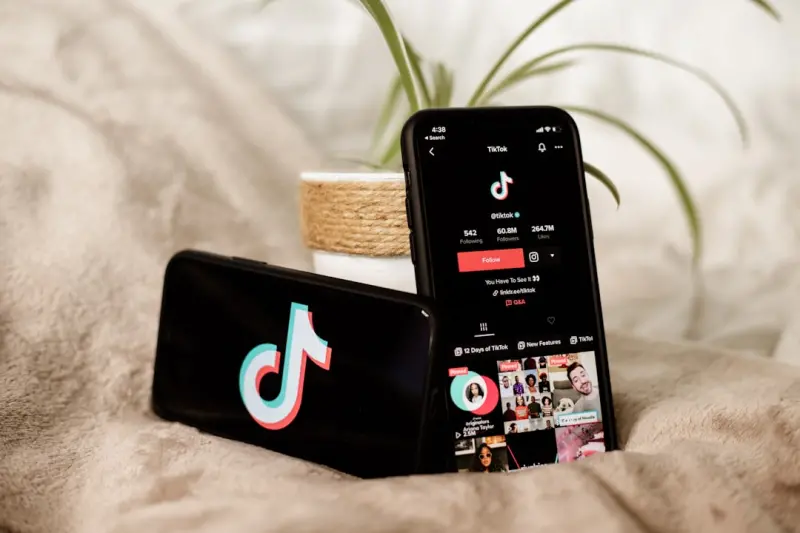
When TikTok first burst onto the scene, most of us in the SaaS world wrote it off as a playground for dance challenges and meme‑driven humor. The platform’s lightning‑fast feed and seemingly frivolous content made it feel worlds apart from the measured, data‑driven environment we’re used to. Yet, beneath the glossy veneer lies a surprisingly rigorous laboratory for product insight—one that runs 24/7, welcomes unfiltered user expression, and surfaces trends before they ever hit a traditional forum.
The Myth of “Just Fun” Content
It’s easy to assume that TikTok’s audience is solely looking for entertainment, but the reality is far richer. Every swipe is a data point, and every comment is a candid opinion from a real user. While LinkedIn discussions are curated and often filtered through professional lenses, TikTok users tend to speak in the raw, unguarded language they use in day‑to‑day life. This authenticity translates into honest feedback on product features, usability hurdles, and even brand perception.
Why SaaS Product Teams Should Pay Attention
Product development thrives on early validation. The sooner you hear the voice of the customer, the less you risk building the wrong thing. TikTok offers three unique advantages for product teams:
- Speed: Trends can emerge and fade within hours, delivering a rapid pulse on what resonates.
- Diversity: The platform’s algorithm surfaces content to users across demographics, geographies, and technical skill levels.
- Rich Media: Video captures nuance that text can’t—body language, tone, and real‑world usage scenarios.
Turning Video Into Verbatim Feedback
Imagine a user posting a 15‑second clip showing a frustrating workflow in your app, overlaying a caption like “Why does this still take 3 clicks? 🤯”. That single video can spark a cascade of comments, duets, and stitches that collectively highlight a pain point you might not have detected in a survey. By monitoring these moments, you gain a verbatim view of the user experience that traditional analytics can’t provide.
Building a TikTok Listening Program
Creating a systematic approach to TikTok listening doesn’t have to be an after‑thought. Here’s a step‑by‑step framework to embed the platform into your product feedback loop:
- Identify Relevant Hashtags: Start with industry tags like #SaaS, #ProductManagement, and niche tags that align with your solution. Expand to broader tags where users discuss workflow challenges (e.g., #ProductivityHacks).
- Set Up Real‑Time Alerts: Use social listening tools that support TikTok, or configure RSS feeds from hashtag searches. Aim for alerts within minutes of a new post.
- Curate a “Feedback Dashboard”: Pull in video links, comments, and engagement metrics. Tag each entry with sentiment (positive, negative, neutral) and the feature it references.
- Cross‑Reference With Existing Data: Compare TikTok‑derived insights with your support tickets and NPS scores. Look for alignment or divergence.
- Close the Loop: When you act on a TikTok‑sourced insight, respond publicly—either by stitching the original video with a solution demo or by posting a thank‑you note. This not only validates the user but also signals to the broader community that you listen.
Leveraging Creative Insight for Faster Iterations
Beyond raw feedback, TikTok is a goldmine for data‑driven creativity playbook practices. The platform’s rapid content cycles force creators to test, iterate, and optimize in a matter of hours. By observing which video formats (tutorials, behind‑the‑scenes, user‑generated challenges) generate the most engagement, your product marketing team can prototype messaging and feature explanations that truly resonate.
Measuring Impact Without the Guesswork
One of the biggest hurdles for marketers on TikTok is proving ROI. Traditional vanity metrics—views and likes—only tell part of the story. To translate TikTok activity into tangible business outcomes, focus on these performance indicators:
- Conversion Path Tracking: Use custom landing pages with UTM parameters tied to TikTok campaigns. Track sign‑ups, free‑trial activations, or demo requests that originate from the platform.
- Engagement Depth: Monitor the ratio of comments to likes; a higher comment rate often signals genuine interest or concern.
- Feature Adoption Spike: Correlate the timing of a TikTok trend with spikes in feature usage within your app analytics.
- Community Sentiment Shift: Conduct periodic sentiment analysis on TikTok comments versus support tickets to gauge overall brand health.
Ensuring Trust and Safety in a Fast‑Moving Environment
Operating in a space where user‑generated content can spread like wildfire also brings responsibility. AI safety as a growth engine underscores the importance of building trust by moderating harmful content and safeguarding user data. When you incorporate TikTok feedback, establish clear guidelines for what types of user content you’ll surface internally and ensure that any personal data is anonymized before analysis.
Case Study: From Viral Complaint to Product Win
Consider the story of a mid‑size SaaS company that offers a collaborative document editor. A user posted a quick TikTok showing how the “track changes” feature was hidden under three nested menus, labeling it “the Bermuda Triangle of editing”. Within hours, the post amassed thousands of views and sparked a flood of comments from other users echoing the same frustration.
Using the listening framework, the product team logged the issue, prioritized a UI redesign in the next sprint, and released an update that surfaced “track changes” on the main toolbar. To close the loop, they stitched the original video, demonstrated the new layout, and thanked the community for the insight. The result? A 27% increase in feature adoption within two weeks and a measurable lift in NPS scores related to usability.
Scaling the Process Across Teams
While a single product manager can monitor TikTok for a niche product, larger organizations should consider a dedicated “Social Insight Squad”. This cross‑functional team—comprising product, marketing, and customer success—ensures that insights are not siloed. Their charter includes:
- Maintaining the feedback dashboard and ensuring data hygiene.
- Running weekly “Insight Review” meetings to prioritize actions.
- Collaborating with the brand team to craft authentic response videos.
- Reporting quarterly impact metrics to leadership.
Future‑Proofing Your Product Strategy
As TikTok continues to evolve—introducing longer video formats, e‑commerce integrations, and richer analytics—the platform will only become more valuable as a real‑time product lab. By embedding TikTok listening into your development lifecycle today, you’re not just reacting to trends; you’re proactively shaping the roadmap based on the voice of the market.
In a world where speed to market can make or break a SaaS offering, leveraging the raw, unfiltered feedback loop that TikTok provides is a competitive advantage you can’t afford to ignore. Start listening, start engaging, and let the platform’s viral energy fuel your next product breakthrough.

Margaret Thomson is a seasoned freelance writer specializing in the dynamic worlds of marketing and advertising. With a career deeply rooted in the marketing field, Margaret brings a wealth of practical experience and insightful knowledge to her writing.
Related Posts

TikTok’s Secret Sauce for B2B SaaS: Turning Clips into Credible Leads
TikTok isn’t just for dancing teens; it’s a powerful, algorithm‑driven channel that can humani... Read More

The TikTok Revolution: How a Simple App is Changing the Way We Consume Content
TikTok has taken the world by storm with its short-form videos and addictive algorithm. Learn how th... Read More

TikTok as a B2B Lead Engine: Turning Short‑Form Video Into Revenue
A deep dive into why TikTok isn’t just for Gen‑Z memes but a powerful, data‑driven acquisition... Read More
Top Posts

The Gift‑Giving Playbook for 2026: Tech, Sustainability, and Personal Touches
Explore 2026’s gifting trends with tech, eco‑friendly picks, and personalized touches. Lauren Miller shares a curated guide to thoughtful, memorable present...Read More

Why the Gig Economy Is Redefining Personal Insurance Strategies
The gig economy is turning traditional insurance on its head. Shawn reveals how freelancers can navigate coverage gaps, avoid costly mistakes, and build a resil...Read More
Why the Fast‑Food Frenzy Is Actually Feeding Our Creativity
In a world where food moves at lightning speed, I explore how rapid trends ignite creativity, bring people together, and redefine what we truly savor. From stre...Read More

Conversational Intelligence: How ChatGPT is Quietly Transforming Customer Success Teams
A deep dive into using ChatGPT as a conversation co‑pilot for customer success, covering proactive outreach, prompt‑driven workflows, ethical guardrails, an...Read More
0 Comments
Post Comment
You will need to Login or Register to comment on this post!