
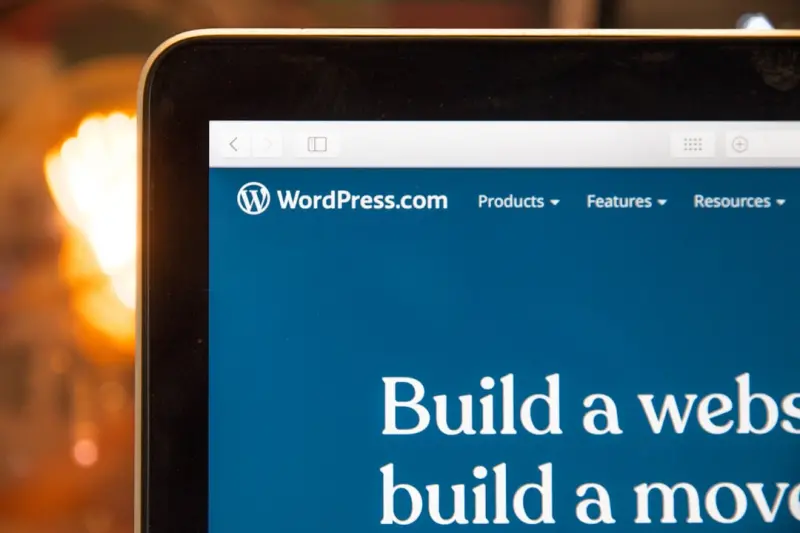
Why WordPress Deserves a Second Look in the SaaS Playbook
When most SaaS marketers hear “WordPress,” the first images that pop up are blog posts, small‑business sites, or the occasional e‑commerce store. The platform is often dismissed as “too simple” for the complex, data‑driven needs of a B2B software company. I’ve spent the last three years juggling product launches, customer onboarding, and internal knowledge bases—all while trying to keep our content team lean and agile. In that time, I’ve learned that WordPress, when approached with the right architecture and mindset, can become a scalable, secure, and collaborative knowledge hub that grows alongside our SaaS product.
The Core Misconception: “WordPress Can’t Scale”
Scaling is a loaded word in the SaaS world. It usually refers to handling more users, more data, or more traffic without breaking a sweat. The reality is that “scale” is a multi‑dimensional challenge: performance, localization, governance, and security all need to be addressed. WordPress on its own is not a silver bullet, but its extensibility and massive ecosystem give us the tools to tackle each dimension systematically.
- Performance: With a proper caching layer (Redis, Varnish) and a CDN, a well‑tuned WordPress installation can serve millions of pageviews per month.
- Localization: Plugins like WPML or Polylang, combined with a headless approach, let us serve content in dozens of languages without duplicating effort.
- Governance: Role‑based access controls and editorial workflows keep content consistent across teams.
- Security: Regular patches, a Web Application Firewall, and a security‑focused hosting environment mitigate the most common threats.
What’s more, the platform’s open‑source nature means we can build custom integrations—think automated release notes pulled from our GitHub tags or dynamic product roadmaps fed by our internal roadmap tool.
From Blog to Knowledge Hub: Redefining the Content Model
Traditional SaaS documentation often lives in a siloed help center or a static PDF library. That model creates friction: sales teams can’t easily customize content for a specific prospect, support agents waste time hunting for the right article, and product updates require manual copy‑pasting across multiple locations.
By treating WordPress as a content hub, we centralize all knowledge assets—product guides, onboarding checklists, case studies, and even internal playbooks—under a single, searchable repository. The key is to adopt a content type strategy:
- Core Articles: Public‑facing docs and feature overviews.
- Dynamic Snippets: Reusable blocks of text that can be injected into emails, in‑app messages, or sales decks via shortcodes.
- Team Playbooks: Private, role‑based collections for sales, support, and product teams.
- Interactive Widgets: Embedded demos, code sandboxes, or API explorers built with the Gutenberg block editor.
This modular approach eliminates duplication and ensures that any update—whether it’s a UI tweak or a pricing change—propagates instantly across every consumer touchpoint.
Leveraging the Block Editor for Interactive SaaS Content
Gutenberg, WordPress’s block editor, is often overlooked as a “page builder,” but its real power lies in its programmability. Our team uses custom blocks to embed live product demos, interactive calculators, and even short video walkthroughs that auto‑play based on a visitor’s behavior.
For instance, a “Feature Comparison” block pulls data from our internal feature flag service, displaying only the features that are enabled for the visitor’s current plan. When the visitor upgrades, the block refreshes in real time—no page reload required. This kind of contextual relevance drives higher conversion rates without requiring a separate landing‑page builder.
Security First: Learning from the “Scam‑Savvy Strategies for SaaS Leaders” Playbook
Security is non‑negotiable. While WordPress has a reputation for being a frequent target for attackers, the same Scam‑Savvy Strategies for SaaS Leaders that we apply to our core product can be mirrored in our WordPress environment. Here’s our three‑layered approach:
- Hardening the Server: Managed WordPress hosting that includes automatic OS patches, malware scanning, and isolated container environments.
- Application‑Level Controls: Enforcing strong passwords, two‑factor authentication for all editors, and limiting XML‑RPC access.
- Content Sanitization: Using a content security policy (CSP) and an HTML purifier to ensure that user‑generated content (like community forums) can’t become an injection vector.
By treating the CMS as an extension of our product’s security perimeter, we protect not only our brand but also the sensitive data that sometimes lives in knowledge‑base articles—think API keys or configuration snippets.
Multilingual Scaling: Going Global Without Duplicating Effort
Our SaaS product is now available in 12 markets. The naive approach would be to spin up 12 separate WordPress installations, each with its own set of articles. That quickly spirals into a maintenance nightmare. Instead, we adopted a single‑instance multilingual architecture powered by the WPML plugin and a headless front‑end.
Content creators write once in English, then use WPML’s translation management dashboard to assign native translators. The translations are stored as linked posts, preserving SEO metadata and ensuring that any update in the source language automatically flags the translated versions for review. This workflow keeps the knowledge base consistent across all locales while letting each market retain its own tone and terminology.
Headless WordPress: The Best of Both Worlds
Headless architecture is often associated with React or Vue front‑ends, but the concept is equally valuable for a SaaS knowledge hub. By decoupling the presentation layer from the data layer, we gain:
- Performance: API‑driven content can be cached at the edge, delivering sub‑second load times.
- Flexibility: The same content can be rendered in a web portal, an in‑app overlay, or a native mobile SDK without duplication.
- Future‑Proofing: If we decide to migrate from React to Svelte, the backend remains untouched.
Our implementation uses the WordPress REST API paired with a lightweight Next.js front‑end. The API delivers JSON payloads for articles, blocks, and metadata. Meanwhile, the front‑end handles authentication, personalization (showing premium articles only to paying customers), and A/B testing of content layouts.
Designing for Cognitive Load: A Lesson from Designing for the Human Brain
Technical audiences have limited patience for dense documentation. By applying neuro‑friendly design principles, we can reduce cognitive load and improve knowledge retention. Key tactics include:
- Chunking: Break long articles into bite‑sized sections with clear sub‑headings.
- Visual Hierarchy: Use contrast, whitespace, and typographic scale to guide the eye.
- Progressive Disclosure: Show essential information first, then allow users to expand deeper details.
WordPress’s block editor makes these practices easy to enforce. We created a custom block template that automatically adds a “Read More” toggle after the first three paragraphs, ensuring that the initial view remains scannable.
Analytics That Actually Matter
While we already have a robust product analytics stack, we needed to understand how users interact with our knowledge base. Rather than relying on generic page‑view metrics, we integrated event‑based tracking directly into Gutenberg blocks. For example, a “Copy Code Snippet” button triggers an event that records which language the user copied, how often they click “Show Example,” and whether they subsequently open a support ticket.
This granular data feeds back into our product roadmap: if a particular API endpoint generates a high “copy‑but‑no‑use” rate, we know the documentation needs clarification or the API may be unintuitive.
Governance: Keeping Content Fresh Without Burning Out Writers
One of the biggest challenges of a centralized knowledge hub is content decay. To combat this, we implemented a content lifecycle policy:
- Review Dates: Every article carries a “next review” timestamp (default six months).
- Automated Reminders: A scheduled WP‑CLI script emails the responsible editor when a review is due.
- Versioning: Changes are tracked via the built‑in revisions system, and we expose a “History” tab for internal users to see what has changed.
This systematic approach ensures that our documentation never falls behind the product, and it gives the team clear ownership without micromanagement.
Bringing It All Together: A Real‑World Example
Let’s walk through a typical customer journey:
- Prospect discovers the product through a blog post that embeds a live demo block.
- Sales rep clicks “Share Knowledge Hub” and instantly generates a personalized link to a private playbook that includes only the features relevant to that prospect’s industry.
- Customer signs up and receives an onboarding email that points to a “Getting Started” article, rendered in the user’s preferred language.
- Support agent receives a ticket about an API error; they open the internal “Troubleshooting” collection, copy a pre‑approved response block, and close the ticket in minutes.
- Product team reviews analytics and notices a spike in “copy‑code” events for a new endpoint, prompting a documentation update before the next release.
This end‑to‑end flow illustrates how a well‑engineered WordPress hub can become the connective tissue between marketing, sales, support, and product—all while staying fast, secure, and multilingual.
Getting Started: A Practical Checklist
If you’re ready to pilot this approach, here’s a concise checklist to guide you:
- Choose a Managed Host: Look for providers that offer automatic WordPress updates, built‑in WAF, and isolated containers.
- Install Core Plugins: WP Rocket (caching), WPML (multilingual), Advanced Custom Fields (custom blocks), and a security suite like Wordfence.
- Define Content Types: Use Custom Post Types for Articles, Playbooks, and Snippets.
- Build Block Templates: Create reusable Gutenberg blocks for demos, code snippets, and call‑to‑action banners.
- Set Up Headless Delivery (optional): Deploy a Next.js front‑end that consumes the WordPress REST API.
- Implement Analytics: Add event tracking to blocks via GTM or a custom JavaScript layer.
- Establish Governance: Create review cycles, assign owners, and enable revision history.
Start small—perhaps with a single product guide—and iterate. The flexibility of WordPress means you can expand to a full‑scale knowledge hub without a massive overhaul.
Final Thoughts
WordPress isn’t a “quick‑and‑dirty” solution; it’s a foundation that, when paired with thoughtful architecture, can meet the rigorous demands of a fast‑growing SaaS company. By embracing headless delivery, multilingual capabilities, block‑level interactivity, and security best practices, we’ve turned a platform many consider “just a blog” into a strategic asset that powers sales, support, and product education at scale.
If you’ve been skeptical about WordPress for enterprise, I encourage you to experiment with a single content type, measure the impact, and let the data guide your next steps. The payoff—more cohesive messaging, faster time‑to‑knowledge, and a tighter alignment between product and go‑to‑market teams—can be a game‑changer for any SaaS organization.

In the world of freelance writing, where creativity and adaptability are paramount, Michelle Fisher stands out as a dedicated and versatile professional. With a passion for crafting compelling narratives and a keen eye for detail, Michelle has established herself as a trusted voice.
Related Posts

How to Turn WordPress into Your Personal Knowledge Hub
Learn to repurpose WordPress from a blog into a powerful, self‑hosted second brain—complete with... Read More
Unlocking WordPress as a Headless Content Engine for SaaS Growth
WordPress isn’t just for blogs—learn how SaaS companies can use it as a headless content hub to ... Read More
3 Situations When You're Better Off Not Building Websites With WordPress
WordPress has become an undeniable titan in the world of web development. Powering over 43% of all w... Read More
Top Posts

Rethinking Shared Hosting: A Sustainable, Scalable Choice for Growing Businesses
Shared hosting has evolved beyond a budget option. This article explains how it delivers affordability, performance, security, and environmental benefits, and o...Read More
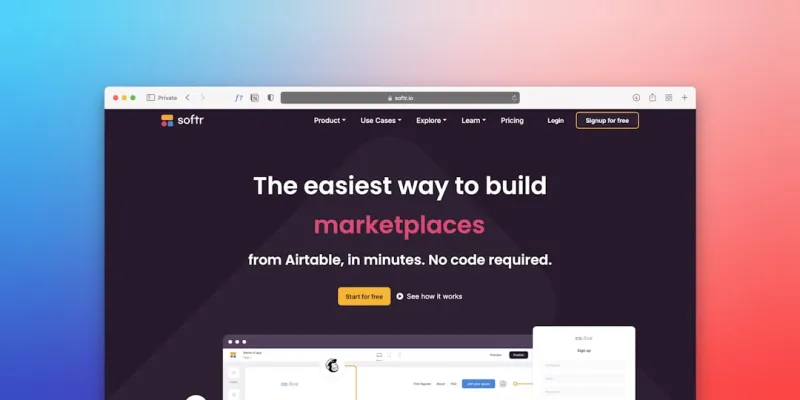
Guide to 2024’s Hottest Software Trends
Explore 2024’s top software trends with Jim Pearse’s take on AI, low‑code, edge computing, security, and sustainable development....Read More

Choose Greener Future for Everyday Choices
Explore how intentional, slow‑living choices—from mindful shopping to sustainable digital habits—can dramatically reduce your ecological footprint and ins...Read More

Accessibility Lawsuits Ahead: The Real Cost of Ignoring Website Accessibility
In an increasingly digital world, a company's website isn't just a brochure; it's often its primary storefront, customer service portal, and even its core busin...Read More
0 Comments
Post Comment
You will need to Login or Register to comment on this post!