
Reimagining the Entryway: From Cluttered Hallway to Inviting Mini‑Gallery
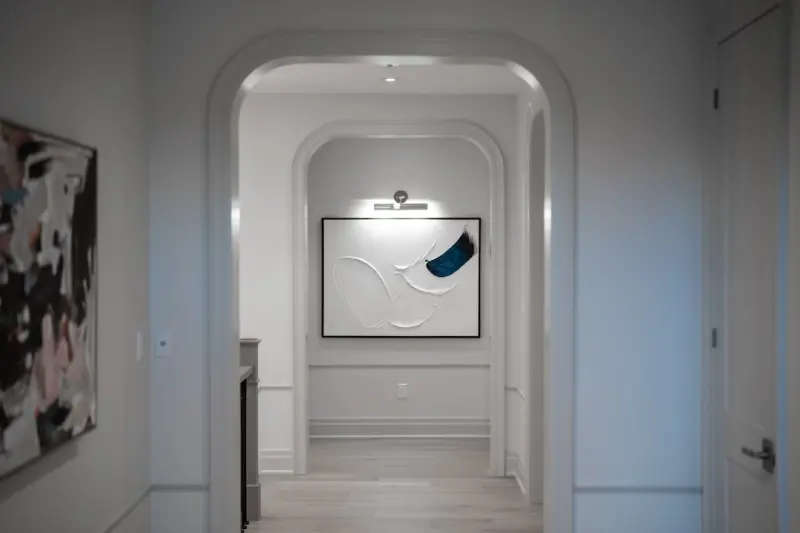
When I first stepped into my apartment, the entryway felt like a forgotten hallway, a place where shoes piled up and coats vanished into a black hole. I decided to treat that narrow strip of space as a canvas, a place where first impressions could be curated like a gallery exhibit. By swapping out generic hooks for sleek wall‑mounted displays, I turned the functional threshold into a visual narrative that welcomes guests and reminds me of my own style. The shift wasn’t about adding more items; it was about redefining what each square foot could communicate.
Assessing Footprint and Flow: Measuring Before You Move Anything
Before purchasing any décor, I measured the width, height, and depth of the entryway, noting the natural traffic pattern from the front door to the living room. This step revealed a modest 3‑foot clearance that demanded low‑profile solutions, and it highlighted a narrow vertical wall perfect for hanging lightweight art without obstructing movement. I sketched a simple floor plan on graph paper, marking where a coat rack, shoe bench, and a few decorative pieces could live harmoniously. Understanding the flow prevented the common pitfall of overcrowding, ensuring the space remains both functional and inviting.
Curating a Rotating Mini‑Gallery: Art That Grows With You
Choosing artwork for a hallway is a delicate balance between personal expression and visual scale; I opted for a series of 8‑by‑10 prints in matching frames that could be swapped seasonally. By installing a subtle rail system, each piece slides in and out without needing new holes, allowing me to refresh the gallery as my mood shifts. The collection blends travel photography, abstract watercolors, and black‑and‑white cityscapes, creating a narrative that feels both cohesive and ever‑changing. This rotating approach keeps the entryway lively while preventing visual fatigue.
Integrating Storage Without Sacrificing Style
Smart storage is the backbone of a tidy entryway, so I introduced a slim shoe bench that doubles as a seating spot for putting on shoes. Above the bench, narrow floating shelves hold a handful of decorative baskets for scarves, gloves, and everyday essentials, keeping surfaces clear. I also added a sleek wall‑mounted coat rack with sleek metal arms, which feels more like a piece of sculpture than a utilitarian hook. Each storage element was chosen for its clean lines, allowing the gallery wall to remain the focal point while still meeting daily needs.
Leveraging Multi‑Purpose Furniture with flexible furniture hacks
One of the biggest challenges was finding furniture that serves more than one purpose without looking like a compromise. I discovered a compact console table that folds down into a narrow console when needed, providing a surface for mail and keys but tucking away when the hallway is crowded. The table’s hidden drawers are perfect for storing small tech accessories, and its sleek finish mirrors the gallery’s frames, tying the whole look together. By embracing flexible furniture, the entryway transforms from a mere passageway into a multi‑functional zone that adapts to my routine.
Lighting Layers: Setting the Mood While Saving Energy
Lighting can make or break a hallway’s ambiance, so I layered illumination with a recessed ceiling light, a wall‑sconce, and a narrow LED strip behind the artwork. The recessed light provides overall brightness, while the sconce casts a warm wash over the coat rack, highlighting textures. The LED strip, set to a soft amber hue, subtly backlights the rotating gallery, creating depth without glare. This layered approach not only enhances visual interest but also reduces energy consumption by allowing me to dim or switch off sections based on the time of day.
Seasonal Rotation and Maintenance: Keeping the Space Fresh
To keep the entryway feeling fresh, I adopted a simple seasonal rotation system: every three months I swap out two pieces of art, refresh the decorative baskets with seasonal colors, and rotate the shoe bench cushion for a new texture. This practice mirrors the idea of predictive maintenance, where small, regular updates prevent larger messes later on. By treating the hallway as a living space rather than a static backdrop, I avoid the buildup of clutter and maintain a sense of novelty that encourages me to keep it tidy.
Budget‑Friendly Upgrades and Long‑Term Planning
Transforming a hallway doesn’t require a massive budget; many of the changes came from repurposing items I already owned or finding affordable pieces at local markets. For example, the art frames were sourced from a thrift store and painted to match the wall, while the floating shelves were DIY projects using reclaimed wood. When I needed a new rug, I opted for a subscription‑style service that delivers a fresh runner each season, echoing the benefits of appliance subscriptions—you get variety without the commitment. This strategic approach ensures the entryway evolves with my lifestyle while staying financially sustainable.
Final Thoughts: A Hallway That Welcomes, Inspires, and Organizes
By treating the entryway as a curated gallery and a functional hub, I’ve turned a previously overlooked space into a personal showcase that welcomes guests and streamlines my daily routine. The blend of rotating art, purposeful storage, layered lighting, and adaptable furniture creates a harmonious balance between aesthetics and practicality. Most importantly, this transformation is a reminder that even the smallest corners of a home can reflect our evolving tastes and needs when approached with intention and creativity.

Mei Chen is a dynamic professional who brings a unique blend of skills to Blogging Fusion. As a key contributor to the Blogging Fusion platform, she leverages her writing expertise to create engaging content that resonates with our audience.
Related Posts
The Busy Professional’s Seasonal Home Maintenance Playbook
Discover a practical, season‑by‑season checklist that helps busy professionals stay on top of ho... Read More

Preparing for Hibernation: A Comprehensive Guide to Winterizing Your Lawn Equipment
As the vibrant hues of autumn fade and the chill of winter approaches, the rhythmic hum of lawnmower... Read More

Should I add a Patio or Pergola?
The desire to extend living spaces outdoors is a fundamental aspect of modern home design, offering ... Read More
Top Posts

Dogs for Seniors: A Paw-sitive Partnership
For many seniors, the golden years can bring challenges such as loneliness, decreased physical activity, and a longing for purpose. While often overlooked, a ca...Read More
When Deepfake Voices Knock on Your Boardroom Door
Deepfake voice phishing uses AI‑generated speech to impersonate executives, bypassing traditional email defenses. This article explains the threat, real‑wor...Read More

Shared Hosting in 2024: Why It Still Beats the Hype
Shared hosting isn’t outdated; it’s a modern, budget‑friendly solution that offers speed, security, and scalability for today’s digital creators....Read More

Why Virtual Economies Are the Secret Engine Driving Modern Gaming
Virtual economies aren’t just in‑game fluff—they’re powerful forces that drive player choices, social bonds, and even real‑world wallets, reshaping ho...Read More
0 Comments
Post Comment
You will need to Login or Register to comment on this post!