
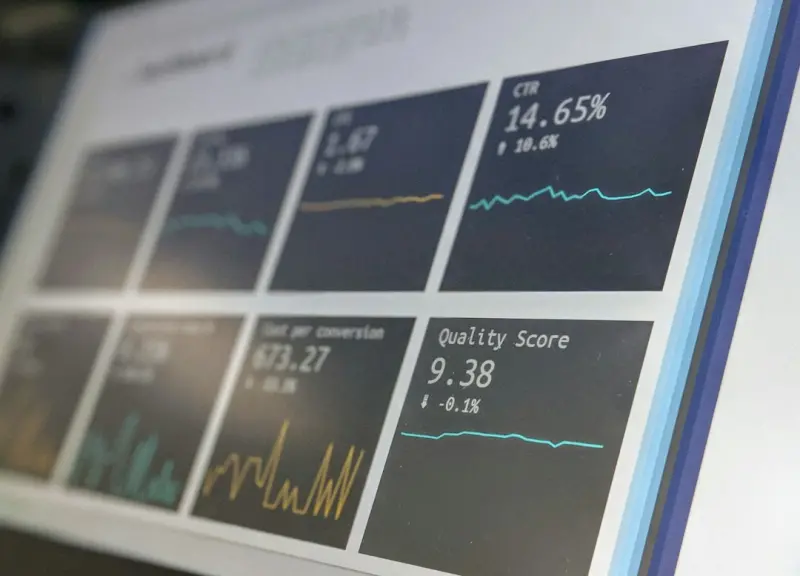
Why Privacy‑Centric Marketing Tools Are No Longer Optional
When I first started juggling budgets for paid social, email, and SEO, the biggest headache was data. I’d spend hours combing through spreadsheets, trying to reconcile cookie‑based metrics with the reality of a fragmented consumer journey. Fast‑forward to today, and the conversation has shifted from “how much data can we collect?” to “how responsibly can we use the data we already have?” The answer? Privacy‑centric marketing tools are becoming the backbone of any modern growth strategy.
From Data Silos to Clean Rooms: The Evolution of Insight Gathering
Remember the days when a single CRM held every piece of the puzzle? Those monoliths were great for control but terrible for collaboration. As companies expanded, data began to live in multiple platforms—ad servers, email service providers, DMPs, and a host of third‑party analytics tools. The result? A chaotic patchwork that was difficult to reconcile and even harder to keep compliant.
Enter the data clean room. In essence, a clean room is a secure, privacy‑first environment where anonymized data from multiple sources can be matched without ever exposing raw identifiers. Think of it as a digital handshake: both parties agree on the rules, the data is blended, insights are extracted, and the original data never leaves its safe harbor.
What makes clean rooms compelling isn’t just compliance; it’s the granular, first‑party insight they unlock. Brands can now answer questions like “Which segments of my email list also engage with my paid search campaigns?” without violating GDPR, CCPA, or emerging privacy regulations.
Key Features to Look For in Modern Privacy‑Centric Tools
- Zero‑Party Data Capture: Allow customers to voluntarily share preferences, interests, and purchase intent directly with your brand. This data is inherently consented and can be the foundation of highly personalized experiences.
- On‑Device Processing: Tools that shift computation to the user’s device reduce the amount of data that ever travels back to your servers, dramatically lowering privacy risk.
- Encrypted Matching Algorithms: Secure multiparty computation (SMPC) and homomorphic encryption let you match datasets without ever decrypting them, preserving anonymity throughout the process.
- Transparent Consent Management: Built‑in consent dashboards make it easy for users to see what data you have, adjust preferences, and withdraw consent at any time.
- Real‑Time Reporting: While privacy is a priority, marketers still need timely insights. Modern clean rooms deliver aggregated dashboards that refresh in near‑real time, keeping your campaigns agile.
How Clean Rooms Empower the Entire Marketing Funnel
Top‑of‑the‑funnel awareness: By securely combining first‑party site data with anonymized audience signals from ad platforms, you can identify high‑potential look‑alike segments without ever sharing raw identifiers.
Middle‑of‑the‑funnel nurturing: With zero‑party data, you can tailor drip email sequences that reflect a prospect’s stated interests. Because the data never leaves your environment, you maintain a clean compliance record.
Bottom‑of‑the‑funnel conversion: Clean rooms enable you to attribute sales to specific touchpoints across devices, giving you a clearer picture of ROI while staying within privacy boundaries.
All of this translates to smarter budget allocation, higher ROAS, and a brand reputation built on trust.
Choosing the Right Tool: A Practical Checklist
When I evaluate a new platform, I run it through a quick checklist:
- Compliance Coverage: Does the platform support GDPR, CCPA, LGPD, and emerging regulations like India’s PDP?
- Integration Breadth: Can it connect to your existing ad stacks (Google, Meta, TikTok, etc.) and CRM (HubSpot, Salesforce) without custom development?
- Scalability: Is the solution built for enterprise‑level data volumes, or will it choke at a few million records?
- User Experience: Are the dashboards intuitive enough for non‑technical marketers to derive insights without calling data scientists?
- Support & Community: Does the vendor offer a robust knowledge base, and is there an active user community sharing best practices?
If you can answer “yes” to most of these, you’re likely looking at a tool that can grow with your organization.
Real‑World Example: Turning Anonymous Data Into Actionable Segments
One of my clients, a mid‑size B2C apparel brand, faced a classic dilemma: they had a thriving Instagram presence, but their email list was stagnant. By deploying a privacy‑centric clean room solution, they were able to match anonymized Instagram engagement data with their existing email subscribers. The result? A new segment of “high‑interest visual shoppers” who hadn’t yet opted into email. The brand launched a targeted welcome flow offering a limited‑time discount, driving a 12% lift in email sign‑ups and a 9% increase in first‑purchase conversion— all while staying fully compliant.
Bridging the Gap: Integrating Clean Rooms With Existing Marketing Tech Stacks
Many teams worry that adding a clean room will create another silo. The truth is that modern clean rooms are designed to be seamlessly integrated with your existing stack. APIs allow you to push aggregated insights directly into your DMP, BI tools, or even your marketing automation platform. This means your paid media, email, and analytics teams can all work from the same, privacy‑compliant data source.
In practice, you might set up an automated workflow where:
- First‑party website events are streamed into the clean room.
- The clean room enriches these events with anonymized third‑party audience signals.
- Aggregated segment definitions are exported daily to your ad platform for look‑alike targeting.
- Performance metrics are fed back into your BI dashboard, allowing for continuous optimization.
This closed‑loop approach eliminates data drift and ensures that every decision is based on the most current, privacy‑safe insights.
The Role of AI in Enhancing Privacy‑Centric Tools
Artificial intelligence isn’t just for predictive modeling; it’s also a powerful ally for privacy. AI‑driven anonymization techniques can automatically detect and mask personally identifiable information (PII) at scale. Meanwhile, federated learning allows models to be trained across multiple datasets without ever moving the raw data. The result? Smarter, more accurate audience predictions without compromising user privacy.
For marketers, this means you can now run sophisticated look‑alike models that respect consent, all while benefiting from the predictive power of AI.
Future Trends: What’s Next for Privacy‑First Marketing?
As privacy regulations tighten and consumer awareness rises, I see three trends shaping the next wave of marketing tools:
- Unified Data Clean Rooms: Platforms will converge, offering a single pane of glass for all data sources, eliminating the need to stitch together multiple solutions.
- Consent‑Driven Personalization Engines: Expect AI‑powered engines that dynamically adjust messaging based on a user’s real‑time consent status.
- Decentralized Identity Solutions: With the rise of self‑sovereign identity (SSI), brands will be able to verify user attributes without ever storing the underlying data.
Staying ahead of these trends will require a mindset shift—from viewing privacy as a hurdle to seeing it as a competitive differentiator.
Wrapping Up: Trust Is the New Currency
If there’s one takeaway I want you to walk away with, it’s this: privacy‑centric marketing tools aren’t just a compliance checkbox; they’re a strategic advantage. By embracing clean rooms, zero‑party data, and AI‑enabled privacy tech, you’ll unlock richer insights, foster deeper customer relationships, and future‑proof your growth engine.
Ready to take the next step? Start by auditing your current data flows, identify where raw identifiers are lingering, and explore clean room solutions that align with your tech stack. The sooner you act, the sooner you’ll turn privacy into profit.

Lauren Miller is a true outdoors enthusiast who has found her passion in the trades. When she's not working hard on the job, you can find her writing, camping, fishing, and exploring all that nature has to offer. A dedicated partner to her wife Beth, Lauren loves nothing more than spending quality time together and experiencing the great outdoors side by side.
Related Posts
The Micro‑Automation Playbook: Tiny Triggers, Massive Marketing Wins
Learn how tiny, targeted automations can revamp your B2B marketing funnel, improve conversion rates,... Read More
Beyond the Dashboard: Adaptive Marketing Toolsets for B2B Growth
Learn how to design a flexible, problem‑first digital marketing stack that integrates AI experimen... Read More

The Hidden Levers: Under‑The‑Radar Tools Reshaping B2B Outreach
Explore three often‑overlooked digital marketing tools that can transform your B2B outreach: conve... Read More
Top Posts

When AI Becomes the Dungeon Master: Procedural Narratives in Modern Gaming
AI-driven procedural storytelling is redefining gaming, offering limitless, personalized narratives while preserving creative control. Discover its impact on de...Read More

Curating a Home That Speaks: Sensory Storytelling in Interior Design
Explore the art of sensory storytelling in home decor, where sound, smell, texture, and light combine to create spaces that feel alive, personal, and continuous...Read More

ChatGPT as the Hidden Backbone of B2B SaaS Knowledge Work
ChatGPT is becoming the silent workhorse behind B2B SaaS knowledge workflows, from instant documentation to smarter onboarding, reshaping how teams collaborate ...Read More
How Sustainable Web Hosting Can Future‑Proof Your Business
A deep dive into sustainable web hosting, covering how to assess green providers, key environmental metrics, and practical design tweaks that cut carbon while b...Read More
0 Comments
Post Comment
You will need to Login or Register to comment on this post!