
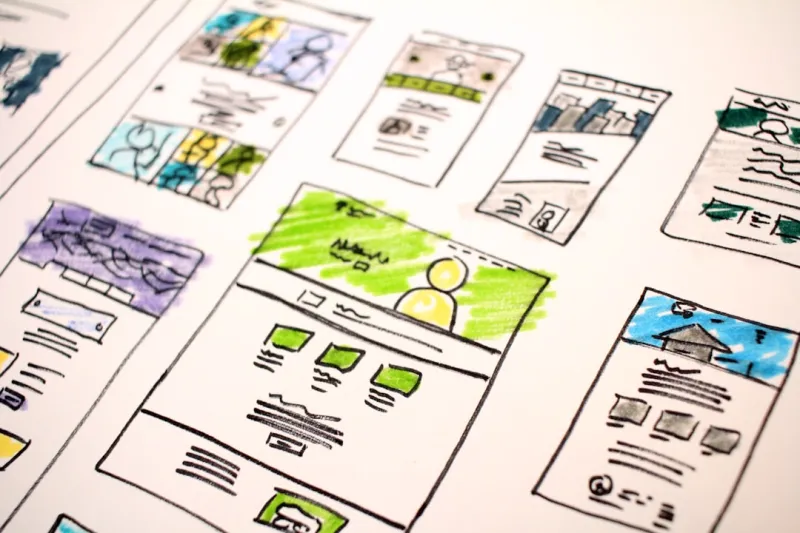
The Intersection of Web Development and Sustainable Living
As a web developer, I often find myself at the intersection of technology and sustainable living. The digital world is constantly evolving, and it's essential to consider the environmental impact of our online actions. In this article, we'll explore the relationship between web development and sustainable living, and discuss ways to create a more eco-friendly digital presence. Sustainable web development is not just a buzzword; it's a crucial aspect of creating a better future for our planet.
The web development industry has a significant carbon footprint, primarily due to the energy consumption of data centers and the production of electronic devices. However, by making conscious choices in our development practices, we can reduce this impact. For instance, optimizing website performance can lead to reduced energy consumption and lower emissions. This can be achieved by minimizing HTTP requests, using efficient coding practices, and leveraging browser caching.
The Environmental Impact of Web Development
The environmental impact of web development is a pressing concern. A study by the World Wide Web Consortium estimated that the internet's carbon footprint is around 3.7% of global greenhouse gas emissions. This may seem like a small percentage, but it's essential to consider the rapid growth of the digital world and the increasing demand for online services. As web developers, we have a responsibility to reduce our carbon footprint and promote sustainable practices.
One way to achieve this is by adopting green web development practices. This includes using renewable energy sources, reducing energy consumption, and promoting digital sustainability. For example, search engine optimization (SEO) can play a crucial role in reducing energy consumption. By optimizing website performance and reducing the number of HTTP requests, we can minimize energy consumption and lower emissions.
The Role of Renewable Energy in Web Development
Renewable energy sources are becoming increasingly important in web development. Many data centers and web hosting companies are now using renewable energy sources, such as solar and wind power, to reduce their carbon footprint. As web developers, we can also make a difference by choosing eco-friendly web hosting options. This not only reduces our carbon footprint but also promotes sustainable practices in the industry.
In addition to using renewable energy sources, we can also reduce energy consumption by optimizing website performance. This includes minimizing HTTP requests, using efficient coding practices, and leveraging browser caching. By making these simple changes, we can significantly reduce the environmental impact of our websites.
Sustainable Web Development Practices
So, what can web developers do to promote sustainable living? Here are a few sustainable web development practices to consider:
- Optimize website performance to reduce energy consumption
- Use renewable energy sources, such as solar and wind power
- Choose eco-friendly web hosting options
- Minimize HTTP requests and use efficient coding practices
- Leverage browser caching and content delivery networks (CDNs)
By adopting these practices, we can reduce the environmental impact of web development and promote sustainable living.
The Future of Sustainable Web Development
The future of sustainable web development is exciting and rapidly evolving. As technology advances, we're seeing new innovations and solutions emerge. For instance, artificial intelligence (AI) and machine learning (ML) are being used to optimize website performance and reduce energy consumption.
In addition, we're seeing a growing trend towards sustainable web design. This includes designing websites that are not only visually appealing but also environmentally friendly. By considering the environmental impact of our design choices, we can create a more sustainable digital presence.
Conclusion
In conclusion, the intersection of web development and sustainable living is a critical aspect of creating a better future for our planet. By adopting sustainable web development practices, we can reduce the environmental impact of our online actions and promote eco-friendly living. As web developers, we have a responsibility to consider the environmental impact of our work and make conscious choices that promote sustainable living.
By working together, we can create a more sustainable digital presence and contribute to a better future for our planet.
Take Action
So, what can you do to take action? Here are a few steps you can take:
- Optimize your website's performance to reduce energy consumption
- Choose eco-friendly web hosting options
- Consider using renewable energy sources
- Stay up-to-date with the latest sustainable web development practices
By taking these steps, you can make a positive impact on the environment and contribute to a more sustainable digital presence.

Lauren Miller is a true outdoors enthusiast who has found her passion in the trades. When she's not working hard on the job, you can find her writing, camping, fishing, and exploring all that nature has to offer. A dedicated partner to her wife Beth, Lauren loves nothing more than spending quality time together and experiencing the great outdoors side by side.
Related Posts
The Future of Web Development: Trends and Insights
The web development landscape is constantly evolving, with new technologies and frameworks emerging ... Read More
Edge‑First Development: Building Websites Where Users Really Are
An in‑depth guide to edge‑first development, covering patterns, platforms, performance benchmark... Read More
The Future of Web Development: Trends to Watch
The future of web development is exciting and full of possibilities. From AI-powered search to voice... Read More
Top Posts
Why Insurance Needs an AI‑First Mindset (And How to Make It Happen)
Insurance must adopt an AI‑first mindset, leveraging dynamic risk models, embedded coverage, and a culture of rapid experimentation to stay relevant in todayâ...Read More

The Blogger's Arsenal: Mastering the Digital Frontier with Trending Tools
Discover the trending tools every modern blogger needs to succeed. From AI writing assistants to robust SEO platforms and design software, learn how to equip yo...Read More

The Rise of Hyper‑Personalized Insurance in a Data‑Driven World
This article examines the transformation of insurance through data, AI, and sustainable practices, highlighting how hyper‑personalized policies empower custom...Read More

From Chaos to Keepsake: Designing a Wedding That Feels Like a Living Story
Discover a fresh approach to wedding planning that focuses on storytelling, subtle technology, and lasting legacy, turning every detail into a meaningful part o...Read More
0 Comments
Post Comment
You will need to Login or Register to comment on this post!